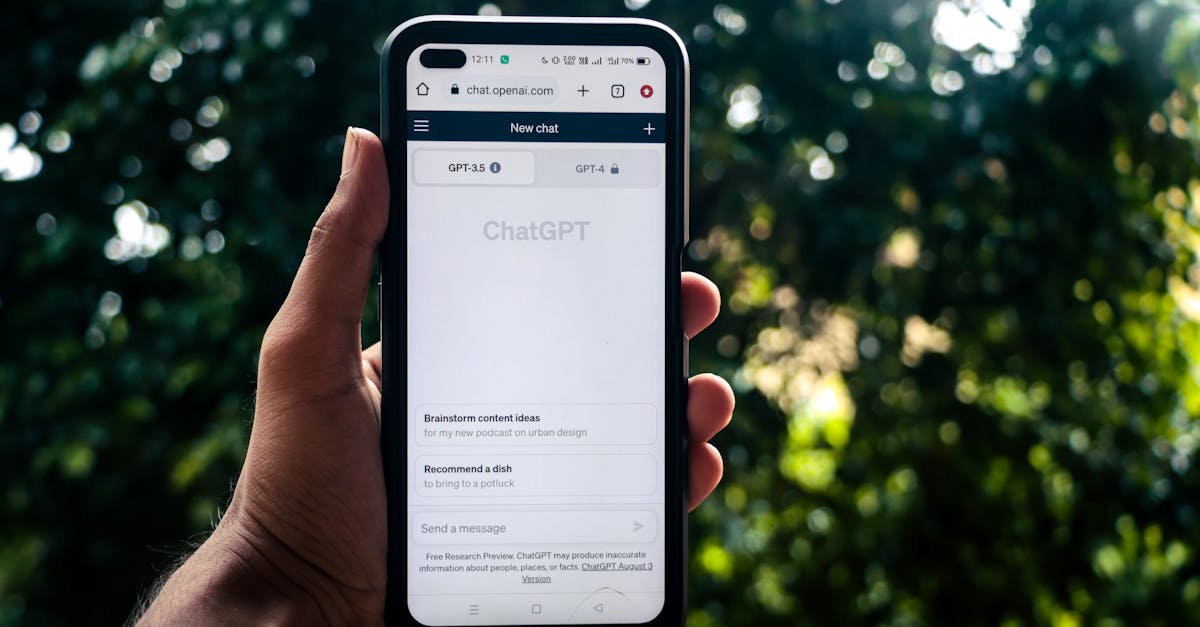
Hawaii Healthcare and Agriculture Face Accelerated R&D Cycles with New Specialized AI for Life Sciences
OpenAI's unveiling of GPT-Rosalind, a specialized AI model for life sciences, and its Codex plugin signifies a major leap in accelerating complex biological and chemical research. This development promises to condense years of traditional R&D into significantly shorter periods, directly impacting Hawaii's healthcare providers and agriculture sectors.
The Change
OpenAI has launched GPT-Rosalind, a cutting-edge AI model specifically engineered for life sciences research. Unlike general-purpose AI, GPT-Rosalind is fine-tuned to synthesize evidence, generate biological hypotheses, plan experiments, and analyze complex datasets across genomics, protein engineering, and chemistry. It integrates with existing scientific workflows through a new Life Sciences research plugin for Codex, connecting to over 50 public databases and literature sources. This powerful combination aims to automate repeatable tasks, streamline multi-step research processes, and enable researchers to identify complex patterns previously overlooked. This model is currently available via a limited, gated Trusted Access program for qualified enterprise customers in the United States, emphasizing beneficial use and strong governance.
The implications are profound: the typically 10-15 year, multi-billion dollar journey from lab hypothesis to market-ready product could be dramatically shortened. Early partnerships with companies like Amgen, Dyno Therapeutics, NVIDIA, Moderna, and the Allen Institute have already demonstrated significant gains in predictive and generative tasks, even outperforming human experts in certain areas. For instance, a collaboration with Ginkgo Bioworks saw a 40% reduction in protein production costs using AI.
Who's Affected
-
Healthcare Providers: This includes private practices, clinics, medical device companies, and telehealth providers. The ability to rapidly develop new diagnostics, treatments, and medical devices can lead to quicker adoption of improved patient care solutions and potentially lower development costs for new health technologies. However, it also means faster obsolescence of existing treatments and a need for continuous learning to keep pace with innovation.
-
Agriculture & Food Producers: Farmers, ranchers, food producers, and aquaculture operators stand to benefit from accelerated research in crop resilience, disease resistance, sustainable farming practices, and novel food production methods. This could lead to higher yields, reduced environmental impact, and faster development of climate-resilient crops, crucial for Hawaii's food security and export potential.
-
Entrepreneurs & Startups: Tech entrepreneurs and startups in the biotechnology, agritech, and healthtech sectors can leverage these advanced tools to accelerate their own research and development cycles. Faster prototyping and hypothesis validation can reduce time-to-market, potentially attracting more investment and enabling quicker scaling. However, access to this specialized AI is currently limited, creating a potential barrier for smaller entities.
Second-Order Effects
-
Accelerated Medical Breakthroughs → Increased Demand for Specialized Healthcare Infrastructure: Faster R&D in life sciences could lead to a surge in novel treatments and diagnostics. For Hawaii, this might necessitate increased investment in advanced medical equipment, specialized clinics, and highly skilled research personnel to support and implement these new technologies, potentially straining existing healthcare infrastructure and increasing operational costs for providers.
-
Faster Agritech Innovation → Shifting Land Use & Resource Demands: Rapid advancements in AI-driven agriculture could lead to the development of more efficient but potentially more resource-intensive farming techniques or crops. This could create new pressures on Hawaii's limited land and water resources, requiring careful planning to balance agricultural productivity with environmental sustainability and potentially altering traditional farming practices and land-use patterns.
-
AI-Driven Biotech Productivity Gains → Talent Displacement and Reskilling Needs: While accelerating research, advanced AI tools can automate tasks previously performed by human researchers. This may lead to a shift in the required skill sets within Hawaii's growing biotech and agritech sectors, creating a demand for AI-literate researchers and data scientists while potentially displacing those with traditional skill sets. This necessitates proactive workforce development and reskilling initiatives.
What to Do
Given the ACT-NOW nature of this development and its potential to reshape research landscapes, here's a guided approach:
For Healthcare Providers:
- Establish an AI Task Force (Next 1-3 Months): Form or task a committee (including clinical, IT, and administrative leadership) to monitor AI advancements in healthcare and life sciences. Task them with evaluating the potential impact of AI-driven research on your specific practice areas (e.g., diagnostics, therapeutics, medical devices).
- Explore Access and Partnerships (Next 3-6 Months): For organizations in the US with legitimate research interests, begin exploring OpenAI's Trusted Access program for GPT-Rosalind. If direct access is not feasible, actively seek collaborations with research institutions or biotech firms that are early adopters to gain insights and potential early access to AI-accelerated findings.
- Review and Adapt Clinical Workflows (Ongoing): Anticipate that new AI-discovered treatments and diagnostic tools will emerge faster. Begin evaluating current R&D pipelines and clinical integration processes for agility. Consider how your practice will incorporate evidence derived from AI-driven research and what new training might be required for staff.
- Monitor Regulatory Landscape (Ongoing): Keep abreast of evolving regulations concerning AI in healthcare, data privacy, and the approval of AI-developed medical products. The pace of innovation may outstrip current regulatory frameworks.
For Agriculture & Food Producers:
- Form an Innovation Watchlist (Next 1-3 Months): Designate individuals or a team to closely follow AI developments in agriculture (agritech). Focus on how specialized AI models are being used to address challenges relevant to Hawaii, such as climate-resilient crops, water efficiency, pest and disease management, and sustainable aquaculture.
- Engage with Research Institutions (Next 3-6 Months): Connect with the University of Hawaii's College of Tropical Agriculture and Human Resources (CTAHR) and other agricultural research bodies. Inquire about their exploration or adoption of AI tools like GPT-Rosalind for local agricultural challenges. Explore potential pilot projects or data-sharing agreements to leverage AI insights for Hawaii-specific crops and conditions.
- Assess Operational Impact (Ongoing): Consider how accelerated R&D in areas like new crop varieties, innovative farming techniques (e.g., vertical farming, precision agriculture), or biopesticides could impact your operations. Begin to build flexibility into your strategic planning to adapt to new technologies and potentially more efficient, but possibly different, production methods.
- Evaluate Environmental Implications (Ongoing): As AI drives agricultural innovation, pay close attention to the environmental footprint of new technologies or crops. Ensure that advancements align with Hawaii's sustainability goals and resource management policies for water and land use.
For Entrepreneurs & Startups:
- Prioritize AI Literacy and Strategy (Next 1-3 Months): If your startup operates in biotech, healthtech, or agritech, ensure your core team understands the capabilities of specialized AI models like GPT-Rosalind. Integrate AI-driven research acceleration into your business strategy and pitch decks, highlighting how you plan to leverage or adapt to these advancements.
- Target Strategic Partnerships (Next 3-6 Months): Given the limited access to GPT-Rosalind, focus on building relationships with larger research institutions or companies that have obtained access. Seek opportunities for collaborative projects, data access, or licensing agreements that could provide your startup with a competitive edge.
- Explore Alternative/Accessible AI Tools (Ongoing): While GPT-Rosalind is cutting-edge, explore other AI tools and platforms that offer capabilities for hypothesis generation, data analysis, and experimental design that are more broadly accessible. Focus on building internal AI expertise that can be scaled when more specialized access becomes available.
- Refine Funding Strategy (Ongoing): Be prepared to articulate to investors how your startup will leverage or compete with AI-accelerated R&D from larger players. Highlight unique advantages, niche markets, or proprietary data that can differentiate your venture in a rapidly evolving R&D landscape. Funding rounds should consider the need for rapid iteration and adoption of new technologies.