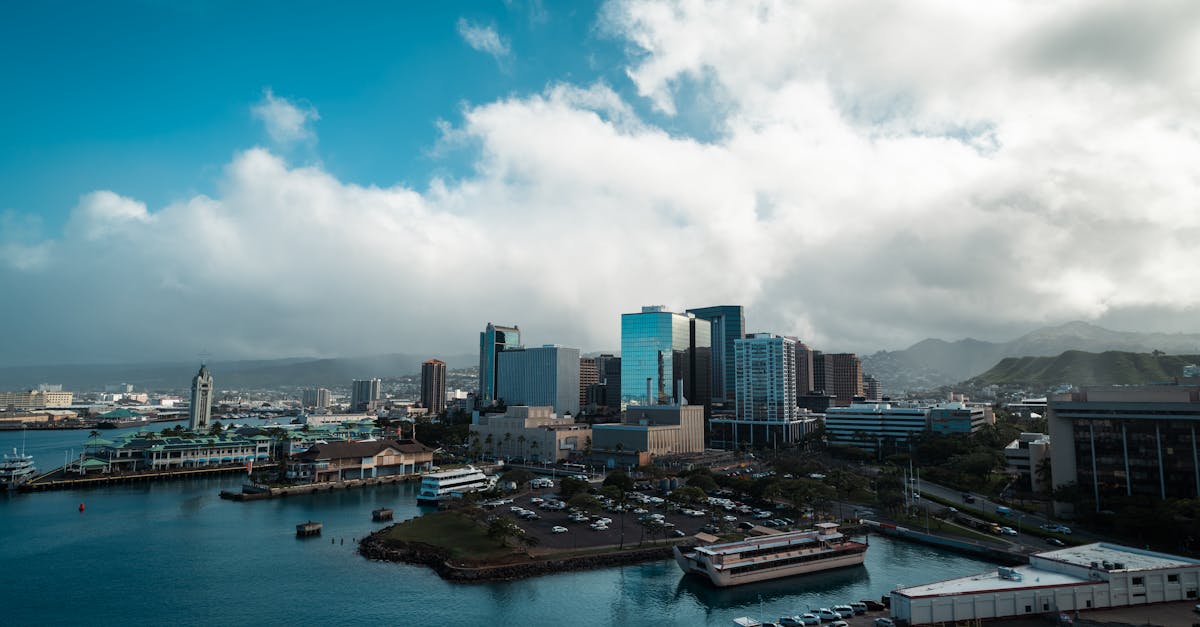
Hawaiʻi Island Businesses Face Immediate Operational Disruption from Tropical Storm Lala
Executive Brief
Tropical Storm Lala has triggered a hurricane watch for Hawaiʻi Island, necessitating immediate operational adjustments and preparation for potential severe weather impacts. Businesses must act now to secure assets, protect staff, and ensure continuity plans are in place before landfall.
- Small Business Operators: Risk of property damage, supply chain interruption, and employee safety concerns. Immediate action to secure premises and implement continuity plans is critical.
- Real Estate Owners: Potential for significant property damage requiring swift mitigation efforts and insurance review. Coastal properties are at highest risk.
- Tourism Operators: High likelihood of flight cancellations, booking disruptions, and guest safety protocols. Proactive communication with guests and staff is essential.
- Agriculture & Food Producers: Threat of crop damage, livestock loss, and disrupted harvesting/transportation. Immediate securing of crops, equipment, and livestock is paramount.
- Healthcare Providers: Risk of facility damage, power outages, and increased demand for services. Ensure emergency power, critical supplies, and communication systems are ready.
- Action: All Hawaiʻi Island businesses must implement their emergency preparedness plans immediately to mitigate risk and ensure safety before the storm's projected arrival.
The Change
A hurricane watch has been issued for Hawaiʻi Island as Tropical Storm Lala approaches, indicating that hurricane conditions are possible within the next 36 hours. While the storm's track and intensity can change, the issuance of a hurricane watch signifies a credible threat that requires businesses to move from monitoring to active preparation.
This alert means that businesses on Hawaiʻi Island must assume a high probability of disruptive weather, including heavy rainfall, strong winds, and potential storm surge. The window for securing property, evacuating non-essential personnel, and implementing business continuity measures is rapidly closing.
Who's Affected
Small Business Operators (small-operator)
Businesses on Hawaiʻi Island face immediate risks including:
- Property Damage: Winds, rain, and potential flooding can cause structural damage, damage to inventory, and destruction of equipment. Securing outdoor furniture, signage, and vulnerable equipment is crucial.
- Operational Interruption: Power outages, road closures, and employee safety concerns will likely lead to temporary or prolonged business shutdowns.
- Supply Chain Disruptions: Ports and transportation routes may be closed, affecting incoming inventory and outgoing products. It is vital to assess current inventory levels and potential delays.
- Staff Safety: Ensuring employees can travel home safely before conditions deteriorate and having clear communication protocols for when operations will resume are top priorities.
Real Estate Owners (real-estate)
Property owners, landlords, and managers on Hawaiʻi Island must consider:
- Structural Integrity: Older buildings or those in exposed coastal areas are at higher risk of wind and water damage. Inspections and necessary temporary reinforcements should be completed immediately.
- Tenant Communication: Proactive communication with tenants regarding safety measures, potential service disruptions (e.g., water, power), and emergency contact information is essential.
- Insurance Review: Confirming that insurance policies are up-to-date and cover potential storm-related damages is critical. Filing claims promptly after an event can be time-consuming.
- Post-Storm Assessment: Planning for rapid damage assessment and repair to minimize vacancy periods and ensure tenant safety once the storm passes.
Tourism Operators (tourism-operator)
Hotels, tour companies, and vacation rental operators are particularly vulnerable to weather-related travel disruptions:
- Guest Safety and Evacuation: Hotels must have clear protocols for guest safety during the storm, including shelter-in-place procedures and, if necessary, organized evacuations.
- Flight Cancellations: Airlines will likely cancel flights into and out of Hawaiʻi Island airports, leading to significant booking disruptions, cancellations, and potential refunds or rebookings.
- Tour Cancellations: All outdoor tours and excursions will be canceled. Communication with guests regarding refunds or rescheduling is paramount.
- Staffing and Operations: Ensuring essential staff are available and safe, and that hotel facilities (e.g., power, water, communication) can withstand the storm are critical operational concerns.
Agriculture & Food Producers (agriculture)
Farms, ranches, and aquaculture operations face significant threats:
- Crop Damage: High winds, heavy rains, and potential flooding can decimate crops, especially those nearing harvest. Harvesting immediately or implementing protective measures (e.g., covering crops) is advised.
- Livestock Safety: Ensuring livestock have secure shelter and access to food and water is a primary concern. Moving animals to higher ground if flooding is a risk is also critical.
- Infrastructure Damage: Irrigation systems, greenhouses, fencing, and farm buildings can be damaged or destroyed by high winds and debris.
- Transportation and Logistics: Road closures and port disruptions will hinder the transport of produce to markets and processing facilities.
Healthcare Providers (healthcare)
Clinics, hospitals, and medical facilities must prepare for service disruptions and potential increased demand:
- Emergency Power: Ensuring backup generators are fully fueled and tested is critical for maintaining essential medical services.
- Supply Stockpiling: Securing adequate medical supplies, medications, and provisions for staff who may need to shelter in place is essential.
- Patient Care Continuity: Developing plans for managing patients during power outages, potential facility damage, and increased demand due to storm-related injuries.
- Telehealth Resilience: Ensuring telehealth platforms and communication systems remain operational, or having alternative communication methods available.
Second-Order Effects
Disruption of shipping and air cargo → Delays in receiving essential goods (food, medicine, fuel) → Increased local prices for remaining inventory → Strain on household budgets and business operating costs.
Severe weather events on islands exacerbate existing supply chain vulnerabilities. Initial disruptions to shipping and air cargo due to the storm's impact on ports and airports will lead to immediate shortages of imported goods. This scarcity, combined with increased demand for essentials during and immediately after the event, will drive up prices for available products. Consequently, consumers and businesses will face higher costs, potentially impacting discretionary spending and squeezing profit margins, especially for small businesses with limited negotiating power and inventory.
What to Do
Small Business Operators
- Secure Premises: Board windows, secure outdoor items, and move inventory to higher ground or safer locations. Ensure drainage systems are clear.
- Communicate with Staff: Inform employees about expected closures, safety protocols, and when to return to work. Designate emergency contacts.
- Review Continuity Plans: Activate your business continuity plan. Ensure essential records are backed up and accessible remotely.
- Assess Inventory: Identify critical inventory and supplies. Consider immediate harvesting or moving of perishable goods if feasible and safe.
Real Estate Owners
- Property Inspection: Conduct a rapid inspection of vulnerable areas of your properties. Implement temporary bracing or sealing measures if safe to do so.
- Tenant Notification: Send out a clear advisory to all tenants regarding storm preparedness, available safety measures, and emergency contact procedures.
- Insurance Verification: Confirm your insurance coverage is current and understand the claims process. Document property conditions with photos or videos before the storm.
Tourism Operators
- Guest Communication: Proactively inform guests of potential flight disruptions, tour cancellations, and hotel safety procedures. Provide clear guidance on shelter-in-place or evacuation plans.
- Staff Safety: Ensure all staff have a safe place to go and clear instructions on reporting for duty or staying home. Arrange for essential personnel to have necessary provisions.
- Operational Readiness: Check backup power systems, communication lines, and emergency supplies. Secure all outdoor areas and loose items.
Agriculture & Food Producers
- Protect Crops and Livestock: Harvest mature crops if safe. Move livestock to secure shelters. Protect sensitive crops with coverings.
- Secure Equipment: Store or tie down farm equipment, tools, and vehicles. Secure greenhouses and other vulnerable structures.
- Water and Power Management: Ensure water sources are secure and consider backup power for critical operations like pumps or cooling systems.
Healthcare Providers
- Emergency Systems Check: Verify backup generators, communication systems (phones, internet), and critical medical equipment are functioning.
- Supply and Staffing: Ensure adequate stock of medications, disposables, and provisions for staff. Confirm staffing plans for emergency coverage.
- Patient Communication: Establish protocols for communicating with patients regarding appointments, facility status, and emergency care availability.
Sources
- National Hurricane Center - Official advisories and forecasts for tropical cyclones.
- Hawaii Emergency Management Agency (HI-EMA) - State-level emergency preparedness and response information.
- KHON2 Weather Blog - Original news alert regarding the hurricane watch.
- FEMA - Ready.gov - Federal guidelines for hurricane preparedness for individuals and businesses.