Hawaii Island Luxury Homeowners Face Increased Property Tax Burden
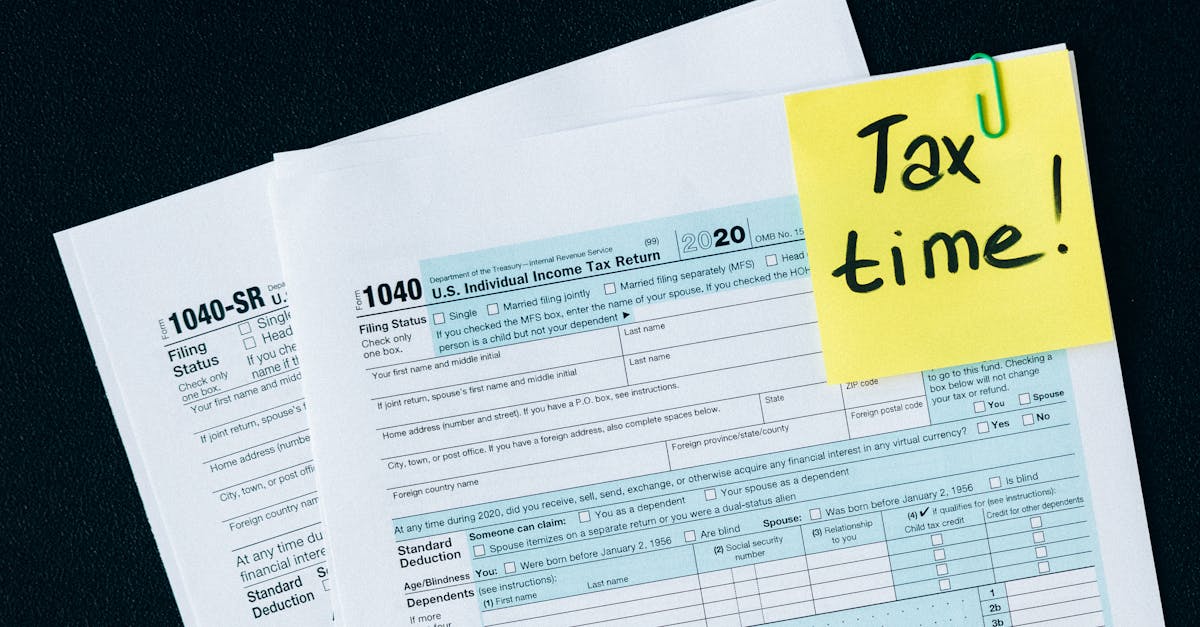
Hawaii Island property owners with residences valued above $4 million will see their property tax rates increase following a recent Hawaii County Council vote. This measure introduces a new tax classification specifically targeting high-value homes, a move aimed at generating additional county revenue. Owners in this segment should anticipate higher annual holding costs, which could influence future buying and selling decisions.
The Change
On March 6, 2026, the Hawaii County Council passed Resolution 2026-12, creating a new property tax tier for residential properties with an assessed value exceeding $4 million. This classification is set to take effect for the upcoming tax assessment period, meaning the increased rates will be applied to the next property tax bills issued by the county.
This classification is distinct from existing tiers and is designed to capture additional revenue from the state's most valuable residential real estate. The exact tax rate for this new classification has not yet been publicly detailed, but its placement within the tax structure suggests a significant increase over the rates applied to lower-valued properties.
Who's Affected
Real Estate Owners:
- Owners of Luxury Homes: Those whose primary residences or investment properties on Hawaii Island are valued at $4 million or more will directly experience increased property taxes. This raises their annual cost of ownership. For owners of multiple such properties, the aggregate tax increase could be substantial.
- Developers: Developers of high-end residential properties may need to factor these increased carrying costs into their project planning and pricing strategies. The added tax burden could also affect the perceived value and return on investment for luxury developments.
- Landlords and Property Managers: Landlords of luxury rental properties will face higher expenses. They will need to assess whether to absorb these costs, potentially reducing profit margins, or attempt to pass them on to tenants, which could impact rental demand and affordability.
Investors:
- Real Estate Investors: Investors holding luxury properties on Hawaii Island will see a reduction in their net rental income or an increase in their overall holding costs if the properties are not immediately appreciating to offset the tax hike. This could make Hawaii Island luxury real estate a less attractive investment compared to other markets or asset classes.
- Portfolio Managers: For diversified portfolios that include Hawaii Island luxury real estate, this represents a regulatory change impacting a specific asset class. Managers will need to re-evaluate the risk-return profile of these holdings.
Second-Order Effects
This tax increase on luxury homes could instigate several economic ripples across Hawaii Island's already constrained market:
- Reduced Market Liquidity: A higher cost of ownership may disincentivize new buyers or lead existing owners to delay sales, potentially reducing the overall transaction volume in the luxury segment.
- Impact on Local Services: Increased tax revenue could theoretically fund improvements in local services. However, if the tax dampens economic activity in the luxury sector, the net gain in revenue might be less significant than anticipated, or it could disproportionately affect service providers catering to high-net-worth individuals.
- Shifting Investment Focus: Investors may redirect capital away from Hawaii Island's luxury residential sector towards other Hawaiian islands or different asset classes with more favorable tax environments, potentially slowing construction and development in the high-end market.
What to Do
Real Estate Owners:
- Action: Begin preparing for higher property tax assessments. Consult with a tax advisor specializing in Hawaii real estate to understand the precise tax rate implications and potential deductions or appeals. Review your budget to accommodate the increased annual holding costs.
- Timeline: The new classification takes effect for the next tax assessment. Property owners should anticipate these changes in their upcoming tax bills, potentially within 30-90 days, depending on the county's assessment and billing cycle.
Investors:
- Action: Re-evaluate current holdings on Hawaii Island that fall within the new luxury classification. Assess the impact on your portfolio's overall return on investment and risk profile. Consider diversifying holdings to mitigate concentration risk in this potentially less favorable tax environment.
- Timeline: Monitor county tax assessment notices and public announcements regarding the specific tax rate for the new classification. Adjust investment strategies accordingly before making new acquisitions or deciding on holding periods for existing properties.