Potential for Enhanced Hawaii-Japan Business Collaboration Emerges
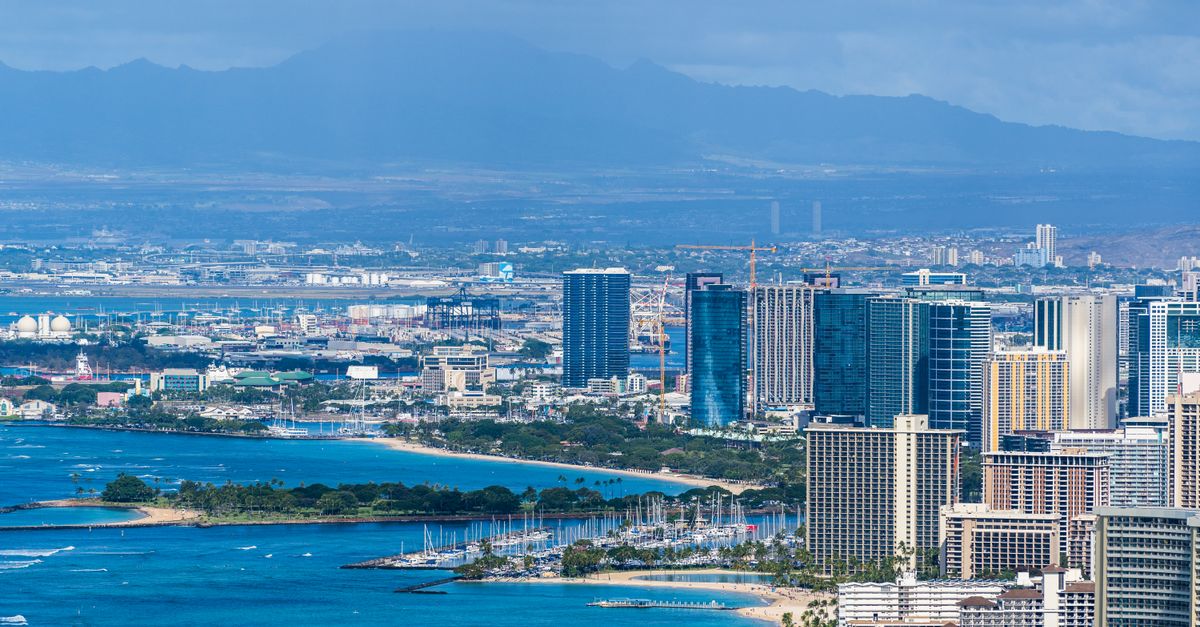
The 2026 Hawaiʻi–Japan Sister Summit, held recently in Waikīkī, concluded with broad agreement on advancing policy collaboration and cultural exchange between Hawaiʻi and Japan. While specific business initiatives were not detailed, the high-level participation of nearly 30 governors, vice governors, and mayors from both regions signals a commitment to strengthening existing ties and exploring new areas of cooperation. These discussions are expected to translate into actionable programs and policy shifts over the coming 6 to 12 months, potentially impacting trade, tourism, investment, and agricultural sectors.
Who's Affected
- Tourism Operators: With Japan consistently being a key international visitor market for Hawaiʻi, any renewed focus or new initiatives stemming from the summit could lead to increased direct flight capacity, new marketing campaigns targeted at Japanese travelers, and potentially preferential packages for tour operators and hoteliers. Businesses should prepare for potential shifts in demand and explore partnerships with Japanese travel agencies.
- Investors: The summit's emphasis on collaboration could highlight emerging sectors ripe for investment, such as renewable energy, sustainable agriculture, educational technology, and advanced manufacturing. Investors should pay close attention to any joint venture announcements or pilot programs initiated as a result of the summit, as these could signal investment opportunities or shifts in regional economic focus.
- Real Estate Owners: An increase in Japanese tourism or new business partnerships could influence demand for hospitality-related real estate, including hotels, resorts, and associated commercial spaces. Developers and property owners should monitor any potential economic growth resulting from these collaborations, which might affect property values and rental rates in key tourist or business corridors.
- Entrepreneurs & Startups: The summit underscored areas like technology transfer, agricultural innovation, and cultural exchange. Entrepreneurs should watch for opportunities to pitch joint projects, secure cross-border funding, or access new markets in Japan. Specifically, startups focused on agritech, edtech, and sustainable solutions may find avenues for growth through this strengthened relationship.
- Agriculture & Food Producers: Japan is a significant market for Hawaiian agricultural products. The summit may pave the way for expanded export opportunities, streamlined import processes, or collaborative research into sustainable farming practices. Producers of niche products like Kona coffee, macadamia nuts, and tropical fruits should monitor any updates regarding agricultural trade agreements or joint marketing efforts.
Second-Order Effects
Strengthened Hawaii-Japan ties could lead to increased Japanese visitor arrivals, potentially boosting demand for tourism services. This heightened demand may strain existing lodging and transportation capacities, driving up operational costs for tourism operators. Increased visitor spending could also put upward pressure on local consumer goods and services prices. Furthermore, expanded agricultural exports to Japan could necessitate investment in local processing and logistics infrastructure, potentially diverting resources from domestic food supply chains or increasing competition for agricultural labor.
What to Do
- Tourism Operators: Begin monitoring Japanese tourism statistics and airline capacity reports for Hawaiʻi. Look for news from the Hawaiʻi Tourism Authority and Japan National Tourism Organization regarding new promotional campaigns or partnerships. Consider reaching out to established Japanese tour operators to gauge their interest in new Hawaiʻi packages.
- Investors: Track announcements from the Hawaiʻi Department of Business, Economic Development & Tourism (DBEDT) and its Japanese counterparts regarding specific collaborative projects. Monitor press releases from companies involved in Hawaii-Japan trade and identify any venture capital funds or government grants that may be established to support these partnerships.
- Real Estate Owners: Stay informed about Hawaiʻi land use and development policies, especially those pertaining to tourism infrastructure. Monitor reports on international visitor spending and occupancy rates, which could indicate future demand for hospitality-related properties.
- Entrepreneurs & Startups: Actively search for post-summit announcements detailing specific collaboration programs. Network with organizations that facilitate Hawaiʻi-Japan business exchange, such as the Japan-America Society of Hawaiʻi, to identify potential partners or funding opportunities.
- Agriculture & Food Producers: Follow any updates from the Hawaiʻi Department of Agriculture and its Japanese counterpart regarding trade facilitation measures or new market access protocols. Explore opportunities to connect with Japanese food distributors or participating companies from the summit.