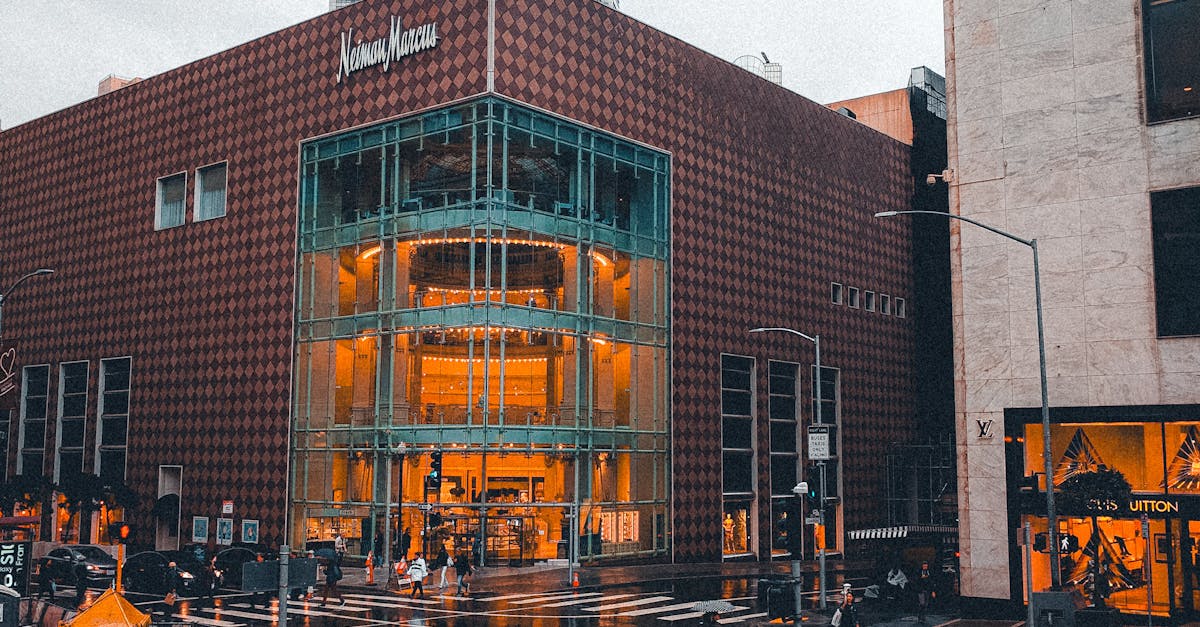
Hawaii Luxury Retailers Should Monitor Mainland Consolidation for Shifting Consumer Demand
The protracted difficulties facing the merger between luxury retailers Saks Fifth Avenue and Neiman Marcus suggest a potentially turbulent period for the high-end consumer goods market. This corporate marriage, intended to create a stronger entity, has instead revealed significant operational and strategic challenges. While centered on mainland operations, these developments carry implications for Hawaii's vital tourism sector and its associated luxury retail segment.
The Change
The merger of Saks Fifth Avenue and Neiman Marcus, announced with aspirations of market dominance, is reportedly encountering severe headwinds. Reports indicate the combined entity is "looking for a path forward after a ‘disaster’ merger." This suggests ongoing integration issues, potential financial strains, and strategic missteps that could impact their brand perception and operational capacity. The exact timeline for resolution is unclear, but the negative sentiment and reported difficulties are present as of early 2026. These challenges may lead to a re-evaluation of luxury retail strategies, including store footprint, product offerings, and marketing approaches, which could trickle down to market-dependent economies like Hawaii.
Who's Affected
Investors: Portfolio managers and investors with exposure to the luxury retail sector, either directly or through real estate holdings that cater to high-end retail, should be particularly attentive. The performance of a merger involving two iconic names like Saks and Neiman Marcus often serves as a barometer for the broader luxury market. Significant struggles could indicate a softening in demand, increased competition, or the need for more agile business models. This might affect the valuation of publicly traded retail companies and the potential for returns on investments in premium retail real estate.
Tourism Operators: Hawaii's economy is heavily reliant on tourism, with a segment of visitors seeking luxury shopping experiences. If the struggles at Saks and Neiman Marcus reflect a wider retrenchment or shift in spending habits among affluent consumers nationally, it could eventually influence visitor spending patterns in Hawaii. A less robust performance from these flagship retailers might suggest a general cooling of enthusiasm for discretionary luxury purchases, which could indirectly impact the spending power of tourists on high-end goods during their stay.
Small Business Operators: While most small businesses in Hawaii are not directly involved with ultra-luxury goods, the health of the high-end retail sector can have indirect effects. A struggling luxury market might correlate with broader economic sentiment that affects consumer confidence across the board. However, the direct impact on local small businesses in Hawaii is currently assessed as low, as their customer base and offerings are typically distinct from department store luxury.
Second-Order Effects
The potential contraction or strategic shifts within the luxury retail sector can have ripple effects. If leading luxury retailers face financial strain or reduce their market presence, it could lead to:
- Reduced Demand for High-End Retail Space: Vacancies in prime shopping districts could increase, potentially affecting commercial real estate values and rental rates. This could indirectly impact businesses that rely on foot traffic in these areas.
- Shift in Consumer Prioritisation: A less robust luxury market might indicate a broader economic caution, leading affluent consumers to re-evaluate discretionary spending. This could mean less spending on travel, dining, and other services, even in tourist-dependent economies.
- Supply Chain Adjustments: Problems at major retailers could lead to oversupply or shifts in demand for certain luxury brands, potentially affecting smaller boutiques or online sellers that source similar goods.
What to Do
Given the "watch" action level, direct intervention is not immediately required. However, ongoing monitoring is essential to anticipate potential market shifts impacting Hawaii's economy.
For Investors: Track the financial reports and strategic announcements from both Saks Fifth Avenue and Neiman Marcus, as well as other major luxury retail players. Monitor indices related to luxury goods and consumer discretionary spending. Be prepared to re-evaluate exposure to retail real estate trusts or companies heavily reliant on high-end consumer spending if negative trends persist or widen.
For Tourism Operators: Stay informed about national luxury retail performance and consumer confidence indices. While Hawaii's luxury market is somewhat insulated by its unique tourism appeal, significant mainland downturns could eventually affect visitor spending on high-ticket items. Consider diversifying offerings or marketing strategies to appeal to a broader spectrum of visitor spending power.
For Small Business Operators: The direct impact is minimal at this stage. Continue focusing on core operations and customer engagement. However, maintain awareness of overall economic sentiment, as broader consumer confidence trends can eventually influence local spending.
This situation requires a 'watch and wait' approach. The struggles of a major merger should be filed as market intelligence, providing context for potential future shifts in consumer behavior and market dynamics within Hawaii.


