


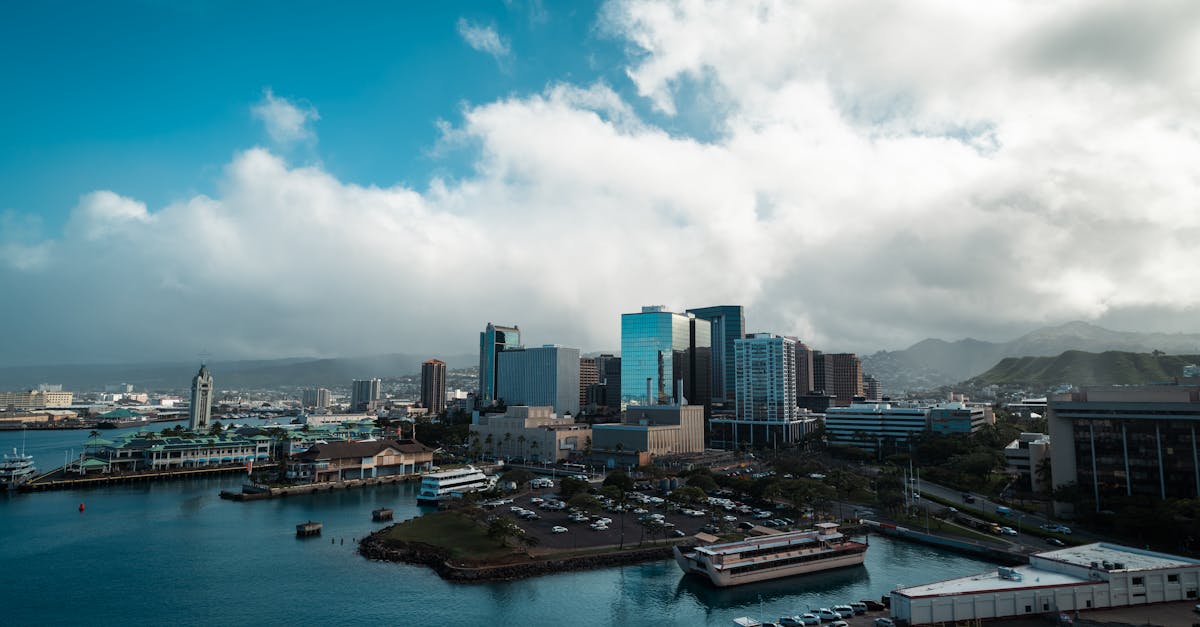
Hawaii Property Insurance Costs May Rise as Climate Disasters Intensify
Recent severe weather events, including intensified Kona-low storms, are placing significant pressure on Hawaii's already sensitive property insurance market. These events are exacerbating the challenges of rising claims and reinsurance costs, signaling a period where property owners and businesses may face increased insurance premiums and potentially more restrictive coverage terms.
The Change
Hawaii's insurance market is a closely watched indicator of environmental and economic stability. The frequency and severity of recent climate-related events, such as the widespread flooding and damage from the latest Kona-low storms, directly correlate with increased claims filed by policyholders. Insurers, in turn, often respond to a surge in payouts and the overall heightened risk environment by adjusting their pricing and coverage offerings. This dynamic is particularly acute in Hawaii due to its isolated geography, limited market competition, and increasing vulnerability to extreme weather.
With the latest storms adding to a growing list of climate-related incidents, the financial strain on insurers is mounting. This is likely to translate into higher premiums for homeowners and businesses, as well as a potential contraction in the availability of comprehensive coverage. Policyholders should anticipate significant shifts in their insurance renewals over the coming months.
Who's Affected
-
Real Estate Owners: Property owners, developers, and landlords are directly exposed to rising insurance costs. Significant premium increases can impact property valuations and the viability of new developments. Landlords may need to pass these costs onto tenants, affecting rental rates. Those with mortgages will find lender-required insurance becoming more expensive, potentially straining cash flow.
-
Small Business Operators: For businesses operating out of physical locations, insurance is a critical operating expense. Increased premiums for commercial property insurance will directly reduce profit margins. Businesses in vulnerable areas may also face challenges securing adequate coverage, forcing them to absorb higher risks or invest in costly mitigation measures.
-
Tourism Operators: Hotels, resorts, and other hospitality businesses rely heavily on their physical properties. Escalating insurance costs can affect the bottom line, potentially leading to price adjustments for services or reduced investment in property upkeep and upgrades. This could indirectly impact the competitive positioning of Hawaii's tourism sector.
-
Investors: Real estate investors and portfolio managers with significant holdings in Hawaii will see increased carrying costs. The market risk associated with property investments in Hawaii may rise due to the volatility of insurance availability and cost. This could lead to a reassessment of investment strategies and risk appetites.
-
Entrepreneurs & Startups: Startups and growing businesses requiring physical space need to factor in potentially higher overhead costs. Increased insurance expenses can strain early-stage budgets, potentially impacting funding rounds or slowing scaling efforts. Businesses directly impacted by storm damage may face uninsured or underinsured losses.
Second-Order Effects
- Increased insurance premiums → Higher operating costs for businesses → Reduced profit margins → Potential for reduced investment in business expansion and job creation.
- Higher insurance costs for property owners → Increased rental rates for housing → Exacerbated cost of living challenges → Potential out-migration of labor and reduced attractiveness for remote workers.
- Reduced insurance coverage availability → Increased self-insured risk for businesses and property owners → Greater financial vulnerability to future climate events → Potential for cascading economic disruptions if widespread property damage occurs without adequate financial backstops.
What to Do
Given the current strain on the insurance market, a WATCH approach is recommended. The key is to proactively monitor market indicators and prepare for potential adjustments.
-
Real Estate Owners: Review all current insurance policies well in advance of renewal dates. Obtain multiple quotes from different carriers and brokers. Assess the need for additional coverage or consider higher deductibles if financially feasible. Investigate and implement property-level risk mitigation measures (e.g., floodproofing, improved drainage, securing outdoor structures).
-
Small Business Operators: Engage with your insurance broker early to understand renewal terms and potential premium increases. Explore options for business interruption insurance and evaluate if current coverage is adequate. Consider investing in protective measures for your physical premises to demonstrate reduced risk to insurers.
-
Tourism Operators: Work with insurance providers to understand the impact on your specific operations. Benchmark insurance costs against industry averages and explore group purchasing or alternative risk financing if available. Focus on maintaining excellent property maintenance and safety records.
-
Investors: Closely monitor insurance market trends in Hawaii. Re-evaluate the risk premiums associated with properties in your portfolio. Stress-test your financial models with potential insurance cost increases and assess the impact on asset valuations and cash flow.
-
Entrepreneurs & Startups: Factor potential increases in insurance costs into your financial projections and budgets. If operating in a high-risk area, explore available mitigation strategies and understand the insurance market landscape for your specific business type.
Action Details: Monitor insurance renewal quotes from multiple providers and track news regarding insurer solvency and market capacity. If renewal premiums increase by more than 15% or if coverage is significantly reduced (e.g., essential perils removed), initiate a policy review and explore risk mitigation strategies. For businesses significantly impacted by recent storms, assess if current insurance adequately covers business interruption and property damage before the next renewal cycle.
