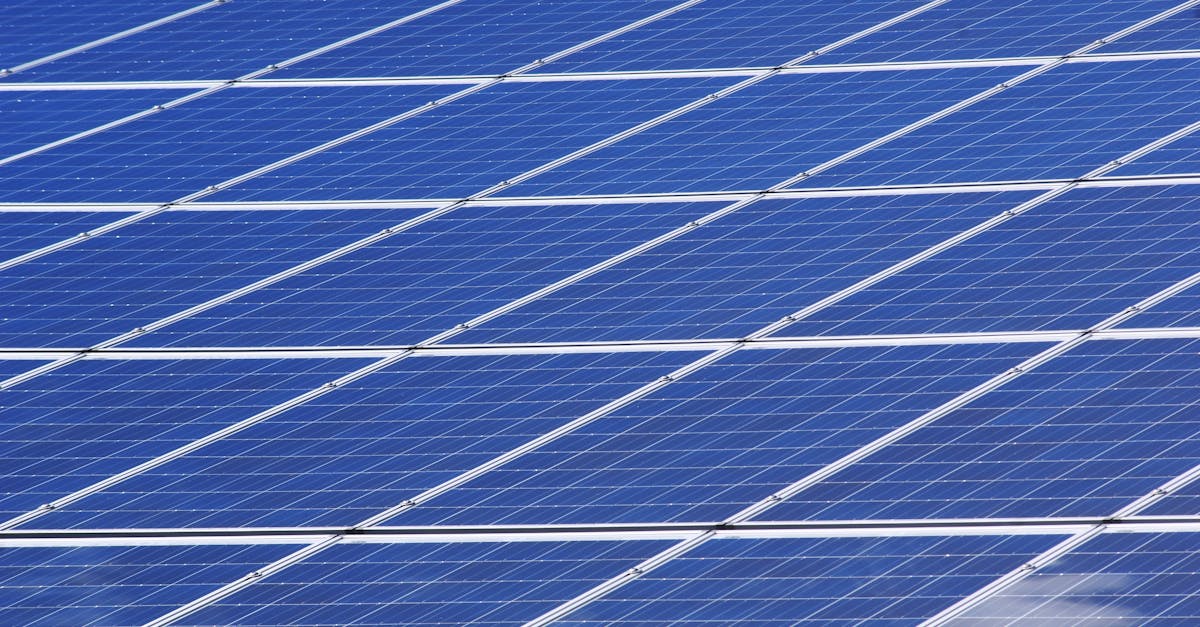
Hawaii's solar energy sector is currently experiencing a period of significant growth, with a notable increase in installations across the islands. Hawaiian Electric recently reported that almost half the single-family homes on Oahu now utilize rooftop solar systems, highlighting the increasing adoption of renewable energy in the state. This surge in installations reflects a broader trend of homeowners embracing solar power for its environmental benefits and potential cost savings.
However, this optimistic outlook is tempered by concerns about the future, particularly regarding the expiration of federal tax credits for solar installations. The impending deadline, as a recent report from Aloha State Daily indicates could lead to a 'boom' followed by a potential downturn. The tax credits, which offer homeowners a 30% credit on the cost of their solar systems, are set to expire at the end of December, prompting a rush to install systems before the deadline. This rush has, in some cases, led to backlogs for solar companies like RevoluSun, as mentioned in a West Hawaii Today article.
The impact of the tax credit expiration is a significant concern for Hawaii's solar companies. As Honolulu Civil Beat points out, policy changes can drastically affect the economics of solar projects and influence investment decisions. The industry is bracing for a potential slowdown in installations, which could affect jobs and investment in the sector. Furthermore, as the Hawaii Public Radio highlighted, the sudden shift due to legislation, such as the 'Big Beautiful Bill', creates an unpredictable environment. This unpredictability may cause disruption within local solar businesses.
This evolving landscape necessitates that entrepreneurs, investors, and professionals in Hawaii's solar industry adapt strategically. They may need to explore alternative financing options, develop new business models, and advocate for supportive state policies to ensure the continued growth and sustainability of solar energy in the islands.