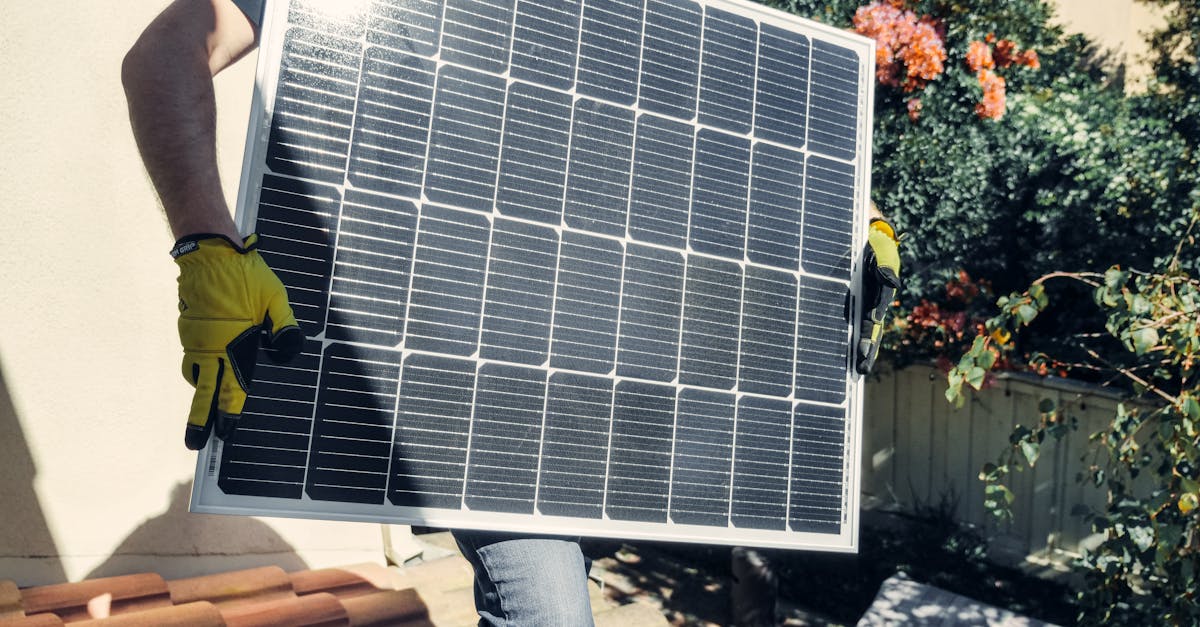
Hawaii Solar Installers Face Plateau: Reduced Demand Expected Post-Federal Tax Credit Expiration
The recent expiration of the federal residential solar investment tax credit (ITC) marks a significant shift for Hawaii's solar industry. This credit, which provided homeowners with a substantial incentive to install solar panels, was a primary driver of growth in the U.S. residential solar market for over a decade. Its absence is anticipated to lead to a considerable reduction in consumer demand for new solar installations, directly affecting companies that provide these services in Hawaii.
Historically, federal tax credits have been instrumental in making renewable energy more accessible and affordable for homeowners. The loss of this significant financial incentive means that the upfront cost of solar installations for Hawaii residents will increase, potentially making projects less attractive or unfeasible for a segment of the market. This could lead to a contraction in the number of new residential solar projects initiated.
Who's Affected
-
Small Business Operators (Solar Installers): Companies specializing in residential solar installations are likely to see a decrease in inbound leads and new contract signings. This could pressure margins and necessitate cost-cutting measures or a pivot to other service areas if diversification is possible. The immediate impact may be seen in longer sales cycles and a reduced number of installations booked for the coming quarters.
-
Entrepreneurs & Startups (Renewable Energy Tech): Startups focused on residential solar solutions, inverter technology, or energy storage for homes may find their market growth trajectory flattening. Securing new funding or scaling operations might become more challenging as investor confidence in the sector potentially wavers due to the reduced incentive landscape. Companies will need to re-evaluate their growth strategies and potentially focus on differentiating through innovation or service value rather than price dependency on incentives.
-
Investors (VCs, Angel Investors, Portfolio Managers): Investors with exposure to the residential solar sector in Hawaii should prepare for increased risk. Companies reliant on federal incentives may report lower revenue growth or increased operating costs as they try to adapt. This could lead to lower valuations for affected businesses and a re-evaluation of investment strategies within the renewable energy space. A slowdown in residential solar demand could also impact related financing or leasing companies.
Second-Order Effects
The reduction in residential solar installations could have cascading effects on Hawaii's economy, which is heavily reliant on energy imports and has ambitious renewable energy goals.
- Reduced demand for solar installations → Lower demand for related services (e.g., roofing, electrical work) → Potential increase in labor availability for other sectors OR downward pressure on wages for solar technicians.
- Slower adoption of rooftop solar → Increased reliance on grid electricity (which has high base costs in Hawaii) → Potentially slower progress towards state renewable energy targets → Continued exposure to volatile fossil fuel prices for consumers and businesses.
- Decreased revenue for solar installation companies → Reduced local business spending → Potentially minor local economic contraction in affected communities.
What to Do
Given the medium urgency and the current action window of 3-6 months, the primary recommendation for affected roles is to WATCH key indicators. The market will likely see a gradual adjustment rather than an immediate collapse, providing a window for strategic assessment.
-
For Small Business Operators: Diligently track your inbound lead volume, conversion rates, and average project size for residential installations. Compare these metrics against pre-expiration benchmarks and industry reports. Consider if your sales and marketing efforts need to pivot to emphasize long-term savings, energy independence, or other value propositions beyond the direct tax credit impact. Assess the potential for diversification into commercial solar or energy efficiency services.
-
For Entrepreneurs & Startups: Monitor customer acquisition costs and the sales cycle length for new residential solar deployments. Re-evaluate your financial projections and funding needs based on a potentially slower growth environment. Focus on product/service innovation that provides a clear, non-incentive-dependent value proposition. Explore partnerships that might offer new avenues for customer access or operational efficiency.
-
For Investors: Observe the financial performance and strategic responses of your portfolio companies in the residential solar sector. Look for companies that are demonstrating resilience through strong customer service, diversified offerings (e.g., battery storage, commercial installations), or innovative financing models. Be prepared to adjust investment thesis for companies that are heavily dependent on government incentives and show signs of struggling.
Action Details: Monitor residential solar sales lead numbers, customer inquiry trends, and the average contract value for new residential solar projects. If lead volume declines by more than 15% quarter-over-quarter and average contract values do not rebound, consider reallocating marketing spend or exploring service diversification. Track competitor responses and any new state or local incentives that may emerge to offset the federal credit's expiration.