


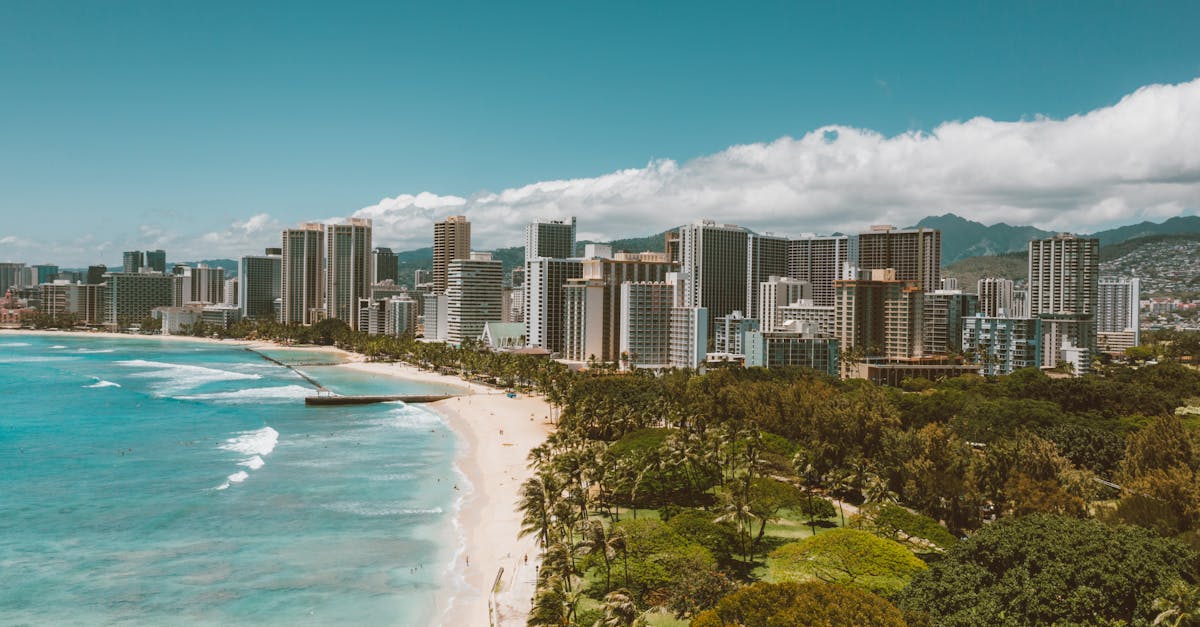
Hawaii Tourism Strategy Shifts to Luxury Segment
Hawaii's approach to tourism is undergoing a strategic reorientation, moving focus from sheer visitor numbers to attracting higher-spending travelers. Recent data indicates a slight decrease in overall visitor arrivals (-1%) yet a concurrent increase in visitor spending. This trend, coupled with the announcement of a proposed $2 billion Atlantis Resort in Ko Olina, signals a significant pivot intended to maximize economic benefit per visitor.
This strategic shift aims to address concerns about over-tourism while ensuring continued economic growth for the state. The development of large-scale luxury resorts is expected to attract a demographic with a higher propensity to spend on accommodations, dining, activities, and retail, thereby boosting overall revenue without necessarily increasing the strain on infrastructure associated with mass tourism.
Who's Affected
Tourism Operators (Hotels, Tour Companies, Vacation Rentals)
Operators in Hawaii's tourism sector will face a bifurcating market. While overall visitor numbers may remain flat or slightly decline, the composition of visitors will likely skew towards higher-end demographics. This could lead to increased demand for luxury accommodations, exclusive tours, and premium services. However, it might also depress demand for mid-tier and budget offerings if those segments are perceived as less aligned with the state's new luxury focus. The development of major new resorts like the Atlantis could also reconfigure the competitive landscape, potentially drawing resources and attention away from smaller, independent operators unless they can effectively differentiate their offerings.
Real Estate Owners (Developers, Landlords, Property Managers)
Property owners and developers should anticipate a growing demand for high-end real estate, both for hospitality purposes and potentially for luxury residential properties catering to the same affluent visitor segment. The large-scale investment in resorts like Atlantis suggests a long-term commitment from major players to the luxury tourism market. This could spur adjacent development opportunities in areas like exclusive retail, fine dining, and premium leisure activities. Property managers might see increased inquiries for luxury rentals or a need to upgrade existing properties to meet higher standards. Zoning and land-use regulations will be critical factors to watch as new luxury projects are proposed.
Investors (VCs, Angel Investors, Portfolio Managers)
Investors should scrutinize the evolving economic landscape of Hawaii's tourism industry. The move towards luxury presents opportunities in areas such as high-end hospitality management, bespoke travel services, luxury retail brands catering to tourists, and potentially real estate development focused on affluent buyers or renters. The significant capital investment in new resorts indicates confidence in the luxury segment's growth potential. Investors might consider diversifying portfolios to include companies that can cater to this specific market, or explore opportunities in infrastructure that supports luxury tourism. However, the concentration of investment in a few large projects warrants careful due diligence on market saturation and competitive risks.
Small Business Operators (Restaurants, Retail, Service Businesses)
Small businesses, particularly those in the food and beverage, retail, and service sectors, need to assess how the shift to luxury tourism could impact their customer base. While an influx of high-spending visitors could translate to increased revenue, businesses will need to ensure their products and services align with the expectations of affluent travelers. This might necessitate product or service upgrades, enhanced customer service standards, and potentially adjustments to pricing strategies. The development of large resorts could also create new B2B opportunities for local suppliers and service providers capable of meeting stringent quality requirements.
Second-Order Effects
Hawaii's shift towards luxury tourism, driven by a plateau in visitor volume and increased spending per visitor, is likely to have cascading effects. The development of mega-resorts like the Atlantis requires significant infrastructure investment and potentially altered land-use patterns, impacting local ecosystems and community access. Increased demand for luxury services could exacerbate existing labor shortages in the hospitality sector, potentially driving up wages for skilled workers in high-end roles while creating a wider gap between these and lower-skilled service jobs. Real estate values in prime tourist areas may see appreciation, further contributing to the rising cost of living and potentially impacting housing affordability for local residents not directly benefiting from the luxury tourism economy.
What to Do
Tourism Operators
Monitor visitor spending data and trends in luxury travel bookings. Watch the development timelines and marketing strategies of new luxury resorts. If early indicators suggest a sustained shift in visitor demographics, or if new luxury resorts begin drawing significant market share, consider adjusting service offerings, marketing to high-net-worth individuals, and exploring partnerships that cater to an affluent clientele. Re-evaluate your unique selling propositions to ensure they resonate with a luxury market.
Real Estate Owners
Monitor property values in areas targeted for luxury development and tourism. Watch local government zoning and development approvals for new luxury resorts and associated infrastructure. If significant luxury development projects gain traction, consider assessing the feasibility of upgrading existing properties or acquiring land suitable for high-end hospitality or residential use. For commercial property owners, evaluate tenant mix to ensure alignment with an upscale consumer base.
Investors
Monitor the performance and booking trends of existing luxury accommodations and services in Hawaii. Watch the progress of major luxury development projects, such as the Atlantis Resort, for signs of market acceptance and economic impact. If these developments proceed successfully and demonstrate strong returns, consider identifying investment opportunities in ancillary services, boutique luxury operators, or companies providing specialized goods and services to the high-net-worth tourist segment. Focus on businesses with a strong brand and a clear value proposition for the luxury market.
Small Business Operators
Monitor shifts in customer spending patterns and local economic indicators related to tourism. Watch for emerging trends in luxury consumer behavior within Hawaii's tourism sector, such as demand for unique experiences, high-quality goods, or personalized services. If you observe a growing segment of high-spending tourists patronizing your area or direct competitors, consider evaluating your current offerings for potential enhancements or expansions to cater to this demographic. This might involve product line adjustments, service quality improvements, or targeted marketing campaigns.


