


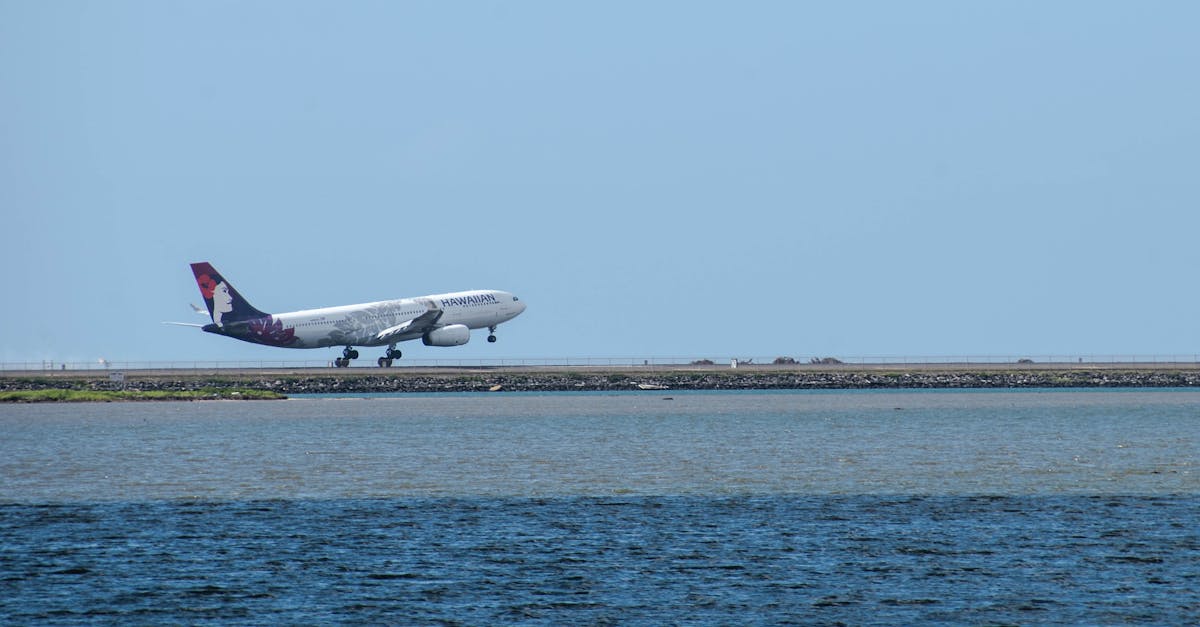
Hawaiian Airlines Debt Raising Signals Imminent Ticket Price Hikes and Reduced Capacity
Hawaiian Airlines' parent company, Hawaiian Holdings Inc., is seeking to raise $500 million in debt. This significant financing move is a direct response to the sustained surge in jet fuel prices, a critical operating expense for the airline. The necessity of this debt offering signals that the airline anticipates continued volatility in fuel costs and is preparing for a prolonged period of elevated operational expenditures. This move is not isolated, as other airline groups are also navigating similar financial pressures stemming from global fuel market instability.
Who's Affected
Tourism Operators
For hotels, tour companies, vacation rentals, and other hospitality businesses, the primary implication is increased airfare costs for visitors. As Hawaiian Airlines attempts to offset rising fuel expenses, ticket prices are highly likely to increase. This could lead to a reduction in discretionary travel spending by potential visitors, impacting booking volumes and potentially shifting demand towards less duration-intensive trips. Furthermore, airlines may reduce flight frequencies on less profitable routes or during off-peak seasons to optimize capacity and manage fuel spend. This directly threatens the capacity for tourism operators to meet visitor demand and recover pre-pandemic occupancy rates, especially impacting businesses reliant on consistent inbound air traffic. For businesses with significant inter-island travel needs for staff or operations, expect these costs to rise as well.
Investors
Investors, particularly those with exposure to the travel and hospitality sectors in Hawaii, should brace for potential downward pressure on valuations. The need for Hawaiian Airlines to secure substantial debt financing highlights the financial strain on the industry. This could signal a more challenging environment for airlines' profitability, potentially leading to reduced dividends or slower growth prospects. For real estate investors, a downturn in tourism driven by high travel costs could impact occupancy rates and rental income for properties tied to the visitor economy. Portfolio managers should consider these increased operational costs as a significant risk factor when assessing airline and hospitality stocks.
Small Business Operators
Beyond tourism, small businesses across Hawaii are indirectly affected. Businesses that rely on air cargo for inventory, supplies, or perishable goods will likely face higher freight costs. This impacts restaurants, retail stores, and any establishment dependent on timely and cost-effective delivery of goods from the mainland or international sources. If employees travel for training, conferences, or inter-island operations, their travel budgets will be strained. The ripple effect of reduced tourism also means less disposable income spent locally at non-tourism-dependent businesses, potentially impacting foot traffic and sales.
Agriculture & Food Producers
For agriculture and food producers, the surge in jet fuel costs presents a dual challenge: increased import costs and potential export disruptions. Businesses relying on imported specialized equipment, seeds, or fertilizers that arrive via air cargo will see their input costs rise. Conversely, producers who export high-value, perishable goods (like certain seafood or specialty fruits) via airfreight will face higher shipping costs. This could make Hawaiian agricultural products less competitive in mainland markets or force producers to absorb losses, impacting profit margins and potentially leading to reduced production.
Entrepreneurs & Startups
Startups and growing businesses, especially those with distributed teams or a need for frequent travel to mainland markets for sales, funding, or partnerships, will see their operating costs increase. The higher cost of flights can strain budgets, making it more expensive to maintain team cohesion, conduct crucial business development, or scale operations that require physical presence. For companies in sectors like technology or specialized services, the increased cost of travel might also make it harder to attract talent that requires relocation or frequent visits.
Second-Order Effects
Hawaii's island economy is particularly susceptible to sustained increases in air transportation costs. The immediate impact of higher jet fuel prices on Hawaiian Airlines translates directly into higher fares. This elevated cost of travel can dampen the demand for tourism, leading to fewer visitors. A reduction in visitor numbers directly impacts revenue for hotels, restaurants, and tour operators, potentially leading to hiring freezes or layoffs. This, in turn, can alleviate some pressure on local wages in the hospitality sector. Concurrently, increased cargo costs associated with air freight will push up the price of imported goods, contributing to inflation and a higher cost of living for all residents, including the very workers airlines and tourism businesses need to hire.
What to Do
Tourism Operators
Act Now: Re-evaluate your pricing models and marketing strategies for the next 6-12 months. Begin adjusting commission structures or package deals to account for potentially higher travel costs impacting your customers. Explore partnerships with ground transportation providers to offer bundled value. Monitor airline capacity announcements closely for any significant route suspensions or frequency reductions that could affect your target markets and adjust marketing spend accordingly. Consider offering incentives for longer stays to maximize revenue from fewer, higher-spending visitors.
Investors
Watch: Monitor revised earnings forecasts for Hawaiian Holdings and other travel-related entities. Assess the elasticity of demand for Hawaiian tourism in response to price increases. Consider diversifying portfolios into sectors less sensitive to air travel costs if significant exposure exists. For real estate investors, track occupancy rates and rental income trends in tourism-dependent areas.
Small Business Operators
Act Now: If your business relies on air cargo, immediately review supplier contracts and shipping costs. Negotiate extended lead times with suppliers to build inventory buffers and mitigate the impact of potential shipment delays or price increases. If employee travel is common, implement stricter travel approval processes and explore virtual meeting alternatives. Communicate any necessary price adjustments to your customers transparently.
Agriculture & Food Producers
Act Now: Secure stable, long-term contracts for essential imported inputs if possible. Explore alternative, potentially slower but more cost-effective, shipping methods for non-perishable goods. For exports, focus on diversifying markets or targeting niche buyers willing to absorb higher shipping costs. Communicate potential price adjustments to buyers well in advance.
Entrepreneurs & Startups
Act Now: Develop stricter policies for business travel, prioritizing virtual meetings and consolidating in-person trips. Re-evaluate the cost-benefit of inter-island or mainland travel for business development and team building. Factor increased travel expenses into funding requests and financial projections for the next 12-18 months. Explore co-working spaces or local meetups to reduce the need for travel to mainland hubs.


