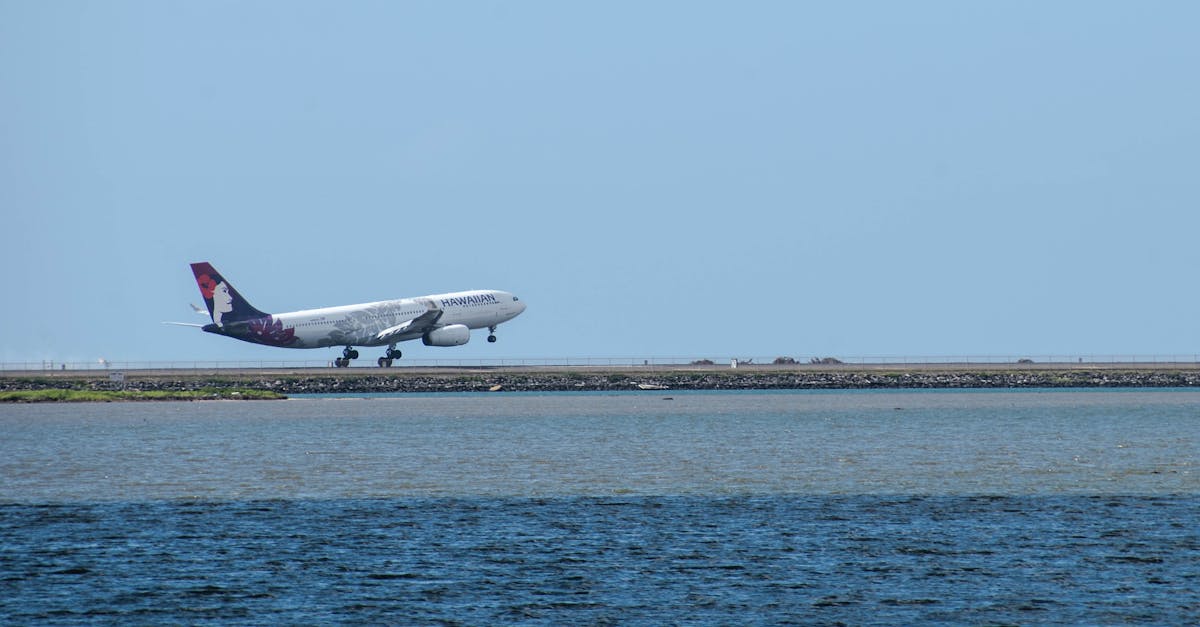
Hawaiian Airlines' Financial Strain Threatens Travel Capacity and Fares for Hawaii Businesses
Hawaiian Airlines, a critical lifeline for inter-island and mainland travel to Hawaii, has reported significant financial losses, raising concerns about future operational stability, route availability, and pricing for businesses across the islands. Alaska Air Group, the parent company, has also signaled broader industry uncertainty, further complicating the outlook.
The Change
Hawaiian Airlines announced a net loss of $189 million for the past year, marking a continuation of its financial struggles. This comes despite parent company Alaska Air Group reporting overall positive financial results and proceeding with a large aircraft order. However, Alaska Air Group has also issued warnings about industry uncertainty, which could translate into scaled-back operations or adjusted pricing strategies for its subsidiary operating in Hawaii. The timing and exact nature of these adjustments remain fluid, but the underlying financial pressure on Hawaiian Airlines is a key indicator of potential operational shifts.
Who's Affected
Tourism Operators (Hotels, Tour Companies, Vacation Rentals)
Businesses critically dependent on visitor arrivals face the most immediate threat. A reduction in Hawaiian Airlines' flight capacity, fewer direct routes, or increased airfares could lead to a decline in visitor numbers. Hotels might see lower occupancy rates, tour operators could experience reduced bookings, and vacation rental managers might struggle to attract guests if the cost and convenience of reaching Hawaii increase. The airline's financial health directly impacts the volume and affordability of tourism, the bedrock of Hawaii's economy.
Investors
Investors holding stakes in Hawaii-based tourism entities, hospitality companies, or even real estate tied to these sectors should reassess their exposure. Continued losses at Hawaiian Airlines, coupled with broader market uncertainty from its parent company, could signal headwinds for the entire travel and tourism ecosystem in Hawaii. This might necessitate a re-evaluation of investment strategies, potentially leading to divestment or a cautious approach to new capital deployment in related businesses.
Small Business Operators (Restaurants, Retail, Services)
While not as directly tied to airlines as tourism operators, small businesses throughout Hawaii are indirectly impacted. A downturn in tourism means fewer customers for restaurants, retail shops, and local services. Furthermore, any disruption to air cargo could affect the timely and cost-effective delivery of goods, increasing operating expenses for businesses reliant on mainland supplies. Reduced visitor foot traffic could also lead to lower sales volumes, impacting profitability and potentially necessitating workforce adjustments.
Real Estate Owners (Property Owners, Developers, Landlords)
For real estate owners, particularly those with properties catering to tourists or businesses reliant on tourism, the financial distress of Hawaiian Airlines is a potential risk factor. A sustained decrease in tourism, potentially exacerbated by airline capacity issues, could lead to reduced demand for hotel rooms and short-term rentals. This could depress rental income and property values in the hospitality sector. Developers might also face increased caution from lenders and potential tenants if the long-term outlook for the island's key economic driver appears uncertain.
Second-Order Effects
Hawaiian Airlines' financial challenges can trigger a cascade of consequences within Hawaii’s isolated, service-based economy. Reduced flight capacity or significantly higher airfares for the dwindling number of available seats could lead to decreased visitor arrivals. This drop in tourism directly impacts hotels, restaurants, and retail establishments, potentially leading to decreased revenue and employment. As businesses shrink operations or face lower demand, their purchasing power diminishes, affecting local suppliers and further concentrating economic strain. The increased cost and reduced availability of flights can also make it harder for local businesses to receive essential goods, driving up operational expenses and potentially leading to higher prices for consumers and businesses alike.
What to Do
For Tourism Operators:
Act Now: Conduct an immediate audit of your reliance on Hawaiian Airlines for both passenger arrivals and air cargo. Explore and establish relationships with alternative carriers servicing Hawaii, such as United, American Airlines, or Southwest, for both passenger and cargo needs. Review your booking and cancellation policies to accommodate potential traveler disruptions. Consider diversifying your marketing efforts to attract visitors from regions better served by other airlines, or focus on attracting local and longer-staying visitors who may be less sensitive to short-term travel cost fluctuations.
For Investors:
Watch: Monitor the financial health and operational announcements from both Hawaiian Airlines and Alaska Air Group closely over the next 90 days. Pay attention to route adjustments, fare changes, and any strategic shifts in capacity. Re-evaluate the risk-reward profile of your Hawaii-focused travel and hospitality investments, and consider hedging strategies if significant exposure exists. Look for opportunities in businesses that demonstrate resilience, such as those with strong local customer bases or diversified revenue streams less dependent on fluctuating air travel.
For Small Business Operators:
Act Now: Assess your supply chain vulnerabilities to air cargo disruptions. Identify and pre-qualify alternative logistics providers or consider increasing inventory levels for critical goods where feasible, balancing storage costs against potential disruption. Analyze your customer base; if a significant portion is tourist-dependent, begin developing strategies to attract more local clientele. This could involve tailored promotions, loyalty programs, or developing new products/services appealing to residents.
For Real Estate Owners:
Watch: Keep a close watch on occupancy rates and rental income trends for hospitality-dependent properties over the next six months. Monitor local and national travel statistics and news regarding Hawaiian Airlines' and other carriers' operational capacities and pricing. Be prepared to adjust leasing terms or rental rates if market demand weakens significantly. Consider exploring tenant diversification for commercial properties to reduce reliance on single sectors like tourism.


