


Hawaiian Airlines Layoffs Signal Potential Air Capacity Reductions and Labor Market Shifts
The Change
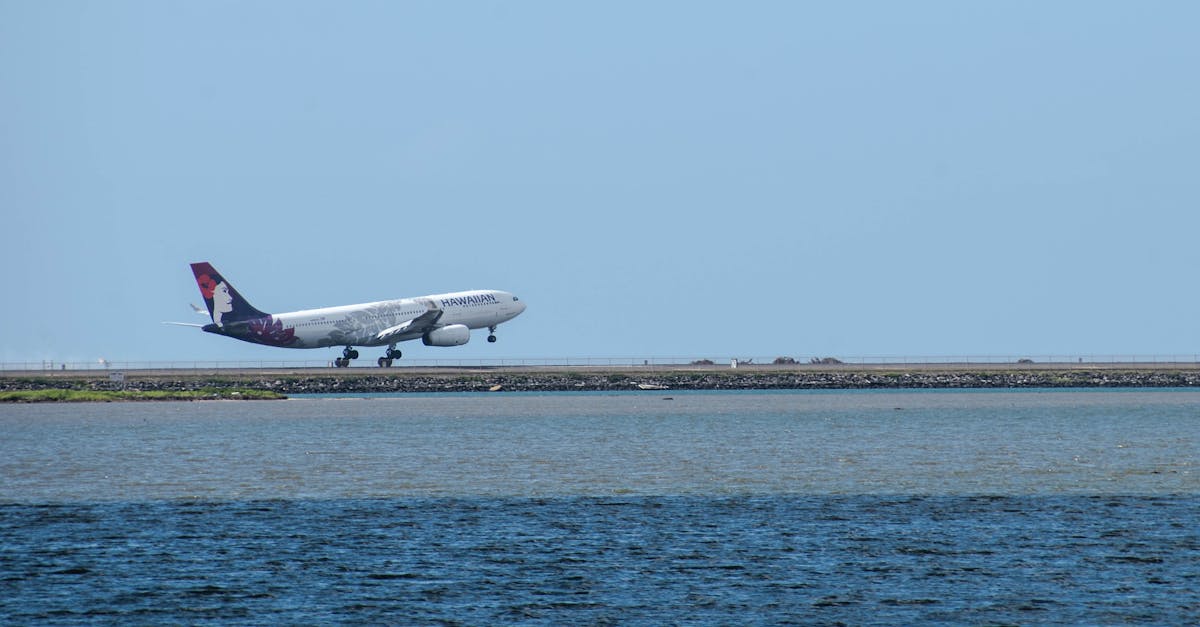
Hawaiian Airlines has initiated nonunion employee layoffs, with over 400 workers notified of job losses between May and June 2026. These reductions are a direct consequence of Alaska Air Group's $1.9 billion acquisition of Hawaiian Airlines. The layoffs are expected to streamline operations and integrate workforces following the consolidation of the two carriers. This development suggests a recalibration of Hawaiian Airlines' service footprint and operational structure under new ownership.
Who's Affected
Tourism Operators: The reduction in Hawaiian Airlines' workforce, particularly in operational roles, could lead to decreased flight capacity, especially for interisland routes and some mainland destinations. This may result in fewer available seats, longer layovers, and potentially higher airfares. Businesses reliant on consistent visitor inflow, such as hotels, tour operators, and vacation rental agencies, must prepare for potential fluctuations in visitor numbers and demand. The timing of these layoffs, leading into peak summer travel, makes monitoring flight schedules and pricing crucial.
Small Business Operators: While not directly tied to airline operations, these layoffs can indirectly impact small businesses. A shrinking labor pool in aviation-related sectors might free up some talent for other industries, potentially easing hiring pressures in the short term. Conversely, if the layoffs lead to a significant drop in tourism spending, businesses catering to tourists, like restaurants and retail shops, could see reduced foot traffic and sales. The cost of employee travel for remote work arrangements or business trips could also be affected by airfare changes.
Real Estate Owners: While the immediate impact on real estate is indirect, a significant reduction in airline connectivity could marginally affect demand for certain types of commercial or residential properties, particularly those near airports or catering to traveling professionals. Any broad economic downturn stemming from reduced tourism could also impact rental income and property values over the medium to long term.
Investors: For investors holding shares in Alaska Air Group or contemplating investments in Hawaii's tourism sector, these layoffs signal integration challenges and potential strategic shifts within the newly combined airline. Investors should monitor the financial performance of Alaska Air Group, paying attention to cost synergies realized and any impact on revenue due to service adjustments. The long-term viability and strategic focus of the airline under its new ownership are key considerations.
Entrepreneurs & Startups: The influx of experienced professionals from Hawaiian Airlines into the job market presents an opportunity for entrepreneurs and startups. Access to a larger pool of talent with expertise in aviation, customer service, and logistics could be beneficial for scaling operations. However, startups reliant on tourism may need to plan for potential economic headwinds if reduced air capacity dampens visitor spending.
Second-Order Effects
Reduced airline capacity and potentially higher airfares → decreased visitor arrivals and visitor spending → lower demand for hospitality services (hotels, restaurants, tours) → reduced profitability for tourism-dependent businesses → potential slowdown in new business formation and increased pressure on existing small businesses → constraints on overall economic growth and employment in Hawaii.


