


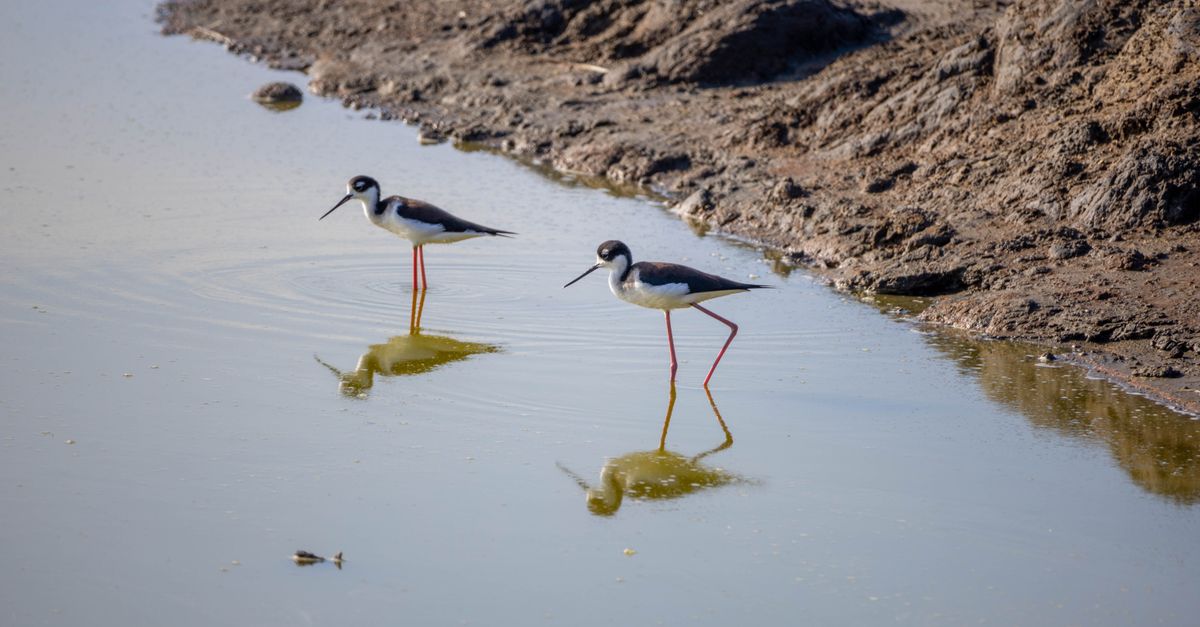
Hawaiian Stilt Downlisting Creates Opportunity for Land Use Review
The U.S. Fish and Wildlife Service (USFWS) has officially reclassified the Hawaiian stilt (aeʻo) from endangered to threatened status under the Endangered Species Act (ESA). This change, effective immediately upon publication in the Federal Register, acknowledges recovery efforts for the species but does not remove it from ESA protections.
The aeʻo was originally listed as endangered in 1970 due to significant threats including habitat destruction, hunting, predation by introduced species, and disease. While conservation measures have led to some recovery, the species still faces challenges that qualify it for threatened status, which denotes a species at risk of becoming endangered in the foreseeable future.
Who's Affected
This reclassification primarily impacts Real Estate Owners, Agriculture & Food Producers, Investors, and Entrepreneurs & Startups.
- Real Estate Owners: Developers and property owners in areas identified as potential aeʻo habitat will need to closely monitor how the "threatened" designation influences permitting processes. While protections may become less stringent than for endangered species, specific habitat conservation measures or consultations will likely still be required. This could affect the timeline and cost of new construction or land development projects near wetlands or coastal areas.
- Agriculture & Food Producers: Farmers and ranchers, particularly those operating near or managing water resources that could serve as wetland habitat, should assess any potential changes to land-use regulations. While direct operational impacts are unlikely within the next 30 days, future agricultural expansion or water management plans may need to account for revised conservation requirements.
- Investors: Investors focused on real estate development, agricultural ventures, or environmental technology in Hawaii should view this as a signal to re-evaluate risk profiles. A reduced regulatory burden on certain land types could present new investment opportunities, but uncertainty surrounding the precise implications will necessitate due diligence.
- Entrepreneurs & Startups: Businesses whose operations rely on land development or resource management may find slightly altered regulatory landscapes. While not a direct operational change, understanding potential shifts in permitting or environmental review processes could be critical for scaling or launching new ventures in sensitive areas.
Second-Order Effects
This downlisting represents a subtle but potentially significant shift in Hawaii's environmental regulatory framework, which is already characterized by scarcity of developable land and high development costs. While not eliminating environmental review for potential aeʻo habitat, a move from "endangered" to "threatened" could theoretically lead to less burdensome mitigation requirements or consultation processes. This could, over time, marginally speed up permitting for certain projects near wetlands. Coupled with the island's persistent housing shortage, any reduction in development friction could indirectly influence housing supply dynamics, though the immediate impact is likely negligible. For agriculture, it might slightly ease pressure on water use in areas where aeʻo habitat overlaps, but the overarching water scarcity issues remain dominant.
What to Do
Given the "watch" action level, immediate operational changes are not yet required, but proactive monitoring is advised.
- Real Estate Owners / Developers: Monitor forthcoming publications from the USFWS and Hawaii Department of Land and Natural Resources (DLNR) regarding revised critical habitat designations or updated consultation guidelines for threatened species. Pay attention to any changes in environmental impact assessment requirements in your project areas.
- Agriculture & Food Producers: Review any existing land-use permits or water rights that may be in proximity to current or potential aeʻo habitats. Stay informed about DLNR or county-level planning department updates that might interpret the species' new status.
- Investors: Keep abreast of any shifts in the cost or timeline of environmental due diligence for real estate and agricultural projects in Hawaii. Understand that while regulations may ease, they will not disappear, and careful legal and environmental review remains crucial.
- Entrepreneurs & Startups: If your business model involves land use or is situated in ecologically sensitive areas, familiarize yourself with the ESA's "threatened" species provisions. Anticipate that environmental compliance will remain a business consideration.
Timeline for Monitoring
The USFWS's reclassification is effective immediately. However, the practical implications for land development and permitting will unfold as state and county agencies interpret and implement the changes. Key indicators to watch include updated guidance from the DLNR and County Planning Departments regarding environmental review processes for projects in potential aeʻo habitat, and any revisions to critical habitat maps. These interpretations are likely to become clearer over the next 6-12 months. While there is no hard deadline, businesses with projects in the early planning stages in potentially affected areas should begin incorporating this monitoring into their strategic timelines.


