Hawaii's Business Climate May Shift as Homelessness Data Informs Future Policy
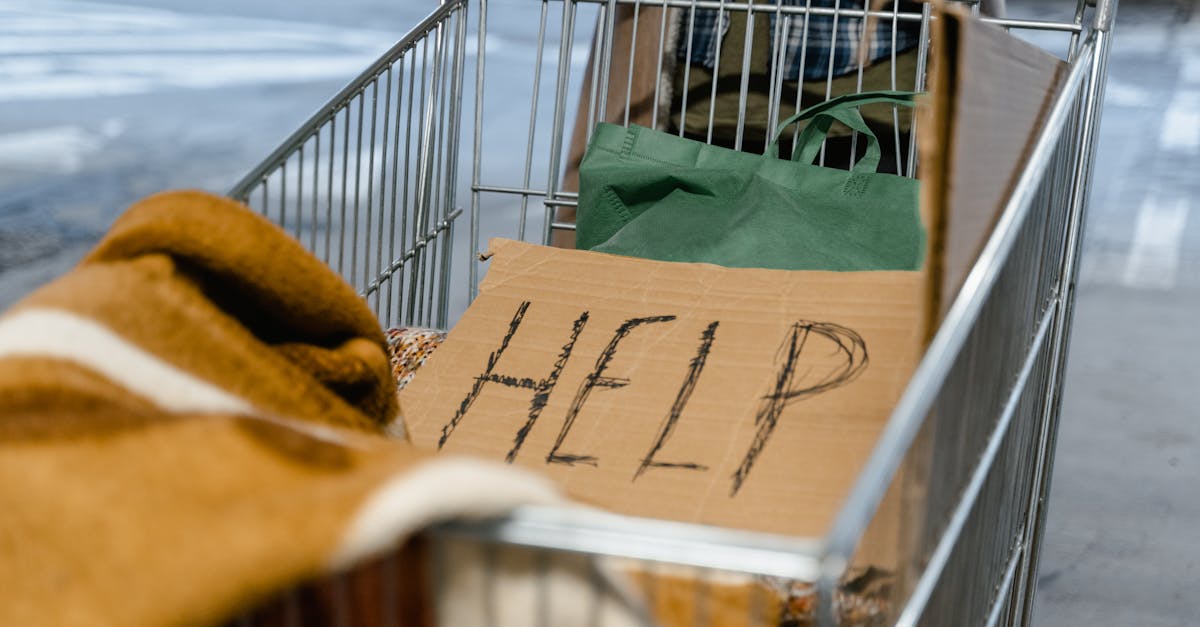
Hawaii's first point-in-time (PIT) count of its unsheltered and sheltered homeless population since 2024 is currently being conducted. This comprehensive survey, involving hundreds of volunteers across all islands, aims to provide a critical snapshot of homelessness. The data collected is not merely an academic exercise; it forms the bedrock for state and county policy decisions, resource allocation for social services, and potentially broader land use and public safety regulations that directly and indirectly affect the islands' business community.
The Change
The PIT count, a federal mandate conducted biennially, provides essential data on the number and demographics of individuals experiencing homelessness. The current count, taking place throughout January 2026, will offer an updated understanding of the scale and nature of homelessness in Hawaii, which is known for its particularly severe housing cost crisis. The findings will be compiled and released in the coming months, directly informing legislative priorities, grant applications for social services, and the strategic direction of housing initiatives for the next two years. Businesses should anticipate that these findings will drive public discourse and policy interventions.
Who's Affected
This data collection, and the subsequent policy responses it will likely trigger, has implications for several key business sectors in Hawaii:
- Real Estate Owners: The persistent issue of homelessness, and the proposed solutions, could lead to increased pressure for affordable housing development. This might influence zoning laws, permit requirements for residential projects, or even property tax considerations in areas where housing initiatives are prioritized. Property managers may also see changes in how public spaces adjacent to their properties are regulated.
- Small Business Operators: The availability and cost of labor can be indirectly affected by housing availability and social support services. A fuller understanding of the homeless population may lead to increased funding or new programs for social services, potentially impacting the labor pool or public perception of business districts. Furthermore, policy decisions regarding public spaces could affect street vending, outdoor dining, or the general accessibility of businesses.
- Investors: Investors in Hawaii's market will need to consider how policy responses to homelessness might impact their portfolios. This could include shifts in government spending towards social infrastructure, opportunities in affordable housing development, or potential regulatory changes that affect the broader economic landscape. A stable social environment is often a prerequisite for attracting and retaining investment.
- Tourism Operators: The visibility of homelessness can impact the perception of tourist destinations. Policy responses aimed at addressing homelessness, such as increased outreach, shelter capacity, or public safety measures, could affect the visitor experience. While not a direct operational impact, it can influence marketing strategies and community relations.
Second-Order Effects
Hawaii's unique status as an island economy means that policies addressing homelessness can have cascading effects. Increased demand for affordable housing, potentially driven by PIT count data, could strain existing infrastructure and development capacity. This could lead to longer permitting timelines for all types of construction (beyond just housing), driving up costs for businesses. Simultaneously, intensified efforts to address homelessness might require greater utilization of public lands or commercial spaces for support services, creating potential conflicts or collaborations with existing businesses and impacting the availability of commercial real estate for other purposes.
What to Do
Given the WATCH action level, immediate action is not required, but proactive monitoring is advised:
- Real Estate Owners: Monitor county and state housing policy proposals released in the wake of the PIT count data. Pay attention to changes in zoning, affordable housing mandates, and permit processes for residential developments over the next 6-12 months.
- Small Business Operators: Track local government discussions and budget allocations for social services and public space management. Be aware of any initiatives that might affect public access to your business or the availability of local labor over the next fiscal year.
- Investors: Review government funding priorities and any new legislative proposals related to housing, social services, and infrastructure development that emerge following the PIT count analysis. Consider how these may impact market conditions and investment opportunities.
- Tourism Operators: Stay informed about any changes in public safety or visitor management strategies in key tourist areas, which may be influenced by the data and subsequent policy decisions. Attend industry association briefings on community engagement and public perception.
Action Details: Monitor the official release of Hawaii's 2026 Point-In-Time Count data and any subsequent policy recommendations from the Department of Human Services and county governments. If proposals emerge that target land use changes, new development regulations, or significant shifts in social service funding that could impact commercial real estate availability or operating costs, be prepared to assess their direct implications for your business within the next 3-6 months.


