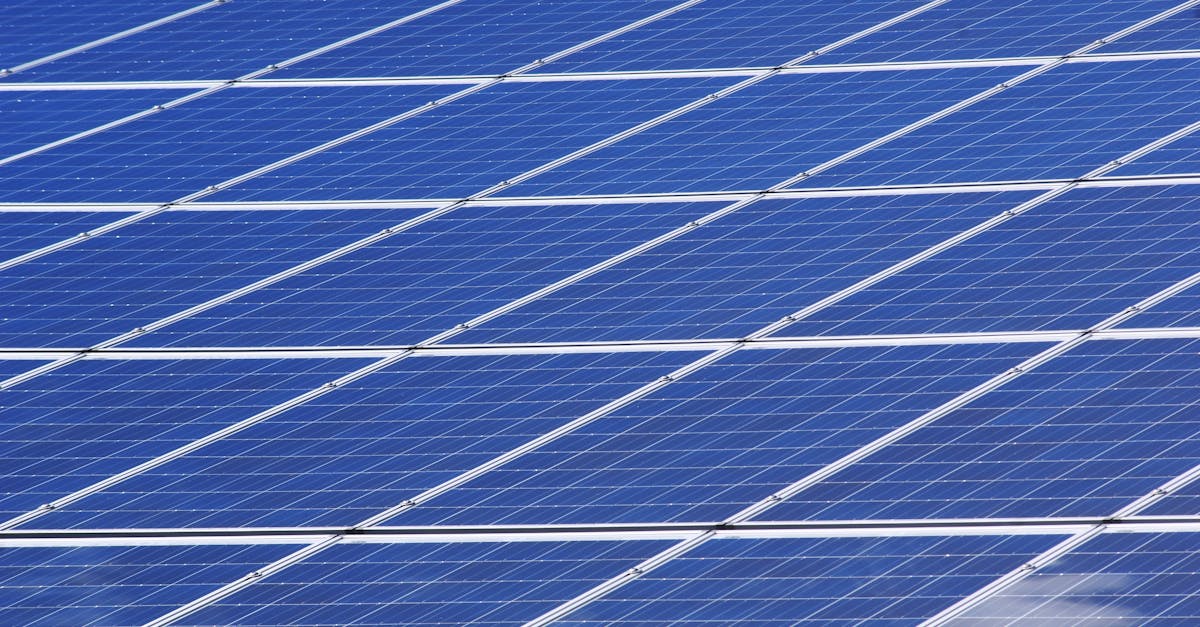
A recent letter published in the Star Advertiser champions agrivoltaics as a key strategy for addressing Hawaii's challenges in maximizing land productivity and fostering a greener economy. The letter's author emphasizes the need for innovative solutions like hydroponics, vertical planting, and agrivoltaics, where solar and agricultural activities are integrated on the same land. These methods, the author argues, can significantly reduce water usage and the reliance on imported food and fossil fuels, contributing to a more sustainable future.
The concept of agrivoltaics, specifically, presents a compelling opportunity for Hawaii. By combining solar energy production with agricultural practices, entrepreneurs and investors can simultaneously address the need for renewable energy and enhance local food production. This integrated approach not only promotes a more efficient use of land but also contributes to a greener economy, a crucial aspect of the state's environmental and economic sustainability goals. A study by the University of California, Davis found that agrivoltaics can increase land-use efficiency by up to 60%, which further validates the appeal of this novel approach.
The benefits extend beyond environmental concerns. By localizing food production, Hawaii can reduce its dependence on imports, which are frequently subject to volatile supply chains and rising transportation costs. This shift to local food production can create new business opportunities for farmers and entrepreneurs, along with bolstering the state's overall food security.
Furthermore, the implementation of agrivoltaics can significantly decrease water consumption and enhance overall water usage, a huge benefit in a state that has struggled with water shortages. While reducing the impacts of water scarcity, investments in such innovative areas can also spur green jobs and can position Hawaii as a leader in sustainable agriculture and renewable energy initiatives. The report from the National Renewable Energy Laboratory further reinforces the potential of agrivoltaics to address Hawaii’s needs.
The letter's advocacy for agrivoltaics aligns with the state's broader goals of environmental protection and economic development. By prioritizing innovation and sustainability, Hawaii can pave the way for a more resilient and prosperous future for all its residents. The insights shared by the letter’s author will be a good resource for entrepreneurs and investors looking to the future of this trend in green business.