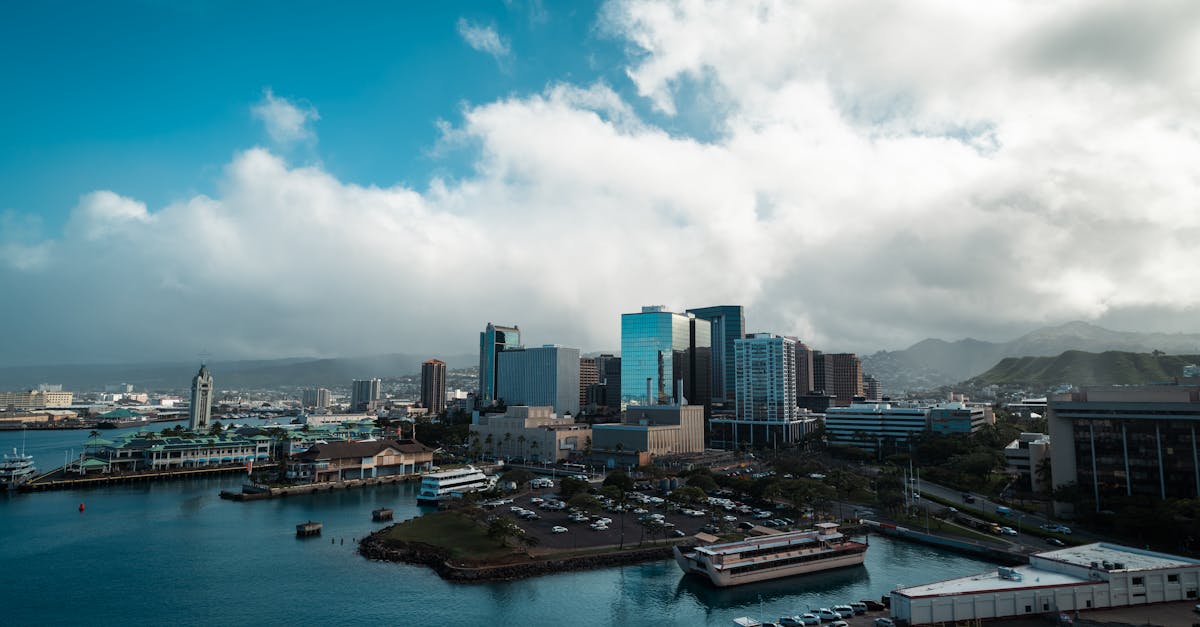
Hawaii's Enduring Labor Strength: A Beacon of Economic Stability
Hawaii's labor market continues to demonstrate remarkable resilience, consistently maintaining one of the lowest unemployment rates in the United States. As of the latest reports, the state’s jobless rate hovers at a level that signals a robust and stable employment landscape, a critical factor for economic health and business confidence in the Aloha State. While national economic weather may shift, Hawaii's ability to retain a strong workforce underscores its unique economic characteristics and strategic advantages for businesses operating within its island economy.
Unpacking Hawaii's Low Unemployment Rate
Recent data indicates that Hawaii's unemployment rate remains exceptionally low, often placing it as the second-lowest in the nation. This sustained performance is a testament to the state's economic structure and its ability to support a high level of employment relative to its labor force. The U.S. Bureau of Labor Statistics (BLS) reports that Hawaii's seasonally adjusted unemployment rate has frequently hovered around 3.0 percent, a figure significantly lower than the national average. For instance, in December 2024, Hawaii's unemployment rate stood at 3.0 percent, while the U.S. national rate was 4.1 percent [files.hawaii.gov/dbedt/news/nr-25-02.pdf]. This consistent trend suggests a robust demand for labor and a relatively stable supply, even with the challenges inherent in an island economy.
Historical Context and Trends
The state's low unemployment rate is not a recent phenomenon. Historical data reveals a long-standing trend of strong employment. For example, in December 2017, Hawaii's jobless rate had already reached an all-time low of 2.0 percent, a figure that remained the lowest in the nation at that time [staradvertiser.com/2017/12/22/business/hawaii-jobless-rate-hits-record-low-2/?ta_paidstory]. While rates have fluctuated, the ability to maintain a position at or near the national minimum suggests underlying economic strengths that have persisted over time. Factors contributing to this include the state's significant tourism sector, a growing healthcare industry, and a focus on diversifying its economy into areas like technology and advanced manufacturing.
Key Economic Indicators
Beyond the headline unemployment rate, other labor market indicators paint a picture of a healthy economy. The state's nonfarm payroll jobs have shown year-over-year increases, indicating consistent job creation. In December 2024, nonfarm jobs across Hawaii had increased by 11,300, or 1.8 percent, compared to the previous year [files.hawaii.gov/dbedt/news/nr-25-02.pdf]. Sectors contributing to this growth include Leisure & Hospitality, Private Education & Health Services, and Trade, Transportation & Utilities. The U.S. Bureau of Labor Statistics provides detailed monthly employment data, showing shifts and growth across various industries within the state [bls.gov/eag/eag.hi.htm]. For example, recent data for Hawaii shows civilian employment figures in the range of 650,000 to 670,000, with unemployment rates consistently below 3.0 percent [bls.gov/eag/eag.hi.htm]. These figures, when seasonally adjusted, highlight the consistent employment opportunities available.
The state’s labor force participation rate also remains a key metric. While specific, up-to-the-minute figures can fluctuate, the consistent low unemployment suggests that a significant portion of the eligible population is engaged in the workforce. The Department of Business, Economic Development and Tourism (DBEDT) closely monitors these statistics, providing regular updates that are crucial for businesses planning for workforce needs. For instance, the January 2025 report indicated a total seasonally adjusted labor force of 683,250, with 662,850 employed persons, reinforcing the high participation and employment levels [governor.hawaii.gov/newsroom/hawaii-january-unemployment-rate-at-3-0-percent/].
Understanding Jobless Claims vs. Unemployment Rate
It is important to distinguish between the unemployment rate and weekly unemployment claims. While the unemployment rate provides a broad, seasonally adjusted overview of the labor market, weekly claims data offer a more immediate, though unadjusted, snapshot of individuals entering the unemployment system. The Hawaii Department of Labor and Industrial Relations' Research and Statistics office tracks these weekly claims [labor.hawaii.gov/rs/home/unemployment/unemployment-claims-data/]. Fluctuations in weekly claims can indicate short-term economic shifts or effects from specific events, but the overall unemployment rate, derived from broader surveys like the Current Population Survey (CPS), provides a more stable measure of labor market health [governor.hawaii.gov/newsroom/hawaii-january-unemployment-rate-at-3-0-percent/].
Factors Driving Hawaii's Labor Market Strength
Several key factors contribute to Hawaii's consistently strong labor market performance.
Tourism's Enduring Role
The tourism industry remains a cornerstone of Hawaii's economy, driving demand for labor in hospitality, food services, and transportation. Despite global economic uncertainties, tourism in Hawaii has shown a remarkable ability to recover and thrive, supporting a substantial number of jobs. The strength of this sector, coupled with ongoing efforts to attract and retain visitors, ensures a steady demand for workers in roles directly and indirectly related to tourism. Recent Department of Business, Economic Development and Tourism (DBEDT) reports consistently highlight the Leisure & Hospitality sector as a major contributor to job gains [files.hawaii.gov/dbedt/news/nr-25-02.pdf].
Economic Diversification Efforts
Beyond tourism, Hawaii has been actively pursuing economic diversification. Investments in sectors such as healthcare, technology, renewable energy, and defense have begun to bear fruit, creating new employment opportunities and reducing the state's reliance on any single industry. The growth in healthcare services, for instance, provides stable, often well-paying jobs, contributing to the overall employment figures. Similarly, the burgeoning tech scene, supported by government initiatives and private investment, is creating a demand for skilled labor in specialized fields.
Workforce Development and Education
Initiatives aimed at enhancing workforce development and aligning educational programs with industry needs are also playing a crucial role. Programs that focus on vocational training, apprenticeships, and higher education in high-demand fields help ensure that the local workforce is equipped with the skills necessary to meet the evolving demands of the economy. These efforts, often supported by state and federal funding, aim to bridge the gap between employers' needs and the available talent pool.
Lower-Than-Average Labor Underutilization
Further underscoring Hawaii's labor market strength is its low rate of labor underutilization. The U-6 rate, which includes discouraged workers and those working part-time for economic reasons, provides a broader, more comprehensive measure of labor market slack than the headline unemployment rate. In recent analyses, Hawaii's U-6 rate has been notably lower than the national average, suggesting a higher proportion of its workforce is fully employed and effectively utilized [governor.hawaii.gov/newsroom/hawaii-january-unemployment-rate-at-3-0-percent/]. This indicates a healthier, more productive labor market overall.
Business Implications for Hawaii's Economy
The consistent strength of Hawaii's labor market presents both opportunities and challenges for businesses operating in the islands.
Competitive Advantage in Hiring
A low unemployment rate means that businesses can draw from a pool of available talent. This is a significant advantage compared to regions with higher unemployment, where competition for skilled workers can be intense. Companies looking to expand or establish operations in Hawaii may find it easier to recruit qualified employees. However, this also means that employers must be proactive in their recruitment and retention strategies to secure and keep their valuable workforce. Offering competitive wages, comprehensive benefits, and positive work environments are crucial for standing out in a tight labor market.
Workforce Stability and Productivity
The high employment rate suggests a stable workforce, which can translate into greater productivity and reduced turnover for businesses. Employees who feel secure in their jobs are more likely to be engaged and committed to their employers. This stability is particularly beneficial for industries requiring specialized skills or extensive training, as it reduces the costs associated with frequent recruitment and onboarding.
Impact on Wages and Benefits
In a tight labor market, employers often need to offer more attractive compensation packages to attract and retain talent. This can lead to upward pressure on wages and an increased emphasis on benefits such as health insurance, paid time off, and retirement plans. While this may increase labor costs for businesses, it also contributes to a higher standard of living for residents, potentially boosting consumer spending and stimulating local economic activity.
Opportunities for Entrepreneurship and Innovation
The stable economic environment fostered by a strong labor market can create fertile ground for entrepreneurship and innovation. Local entrepreneurs can leverage the availability of skilled labor to launch new ventures, particularly in sectors identified for growth and diversification. Furthermore, businesses that can effectively manage labor costs and capitalize on workforce stability may find greater opportunities for investment and expansion within Hawaii.
Challenges and Considerations
Despite the positive outlook, businesses must also be aware of the challenges inherent in Hawaii's unique economic geography. The cost of living remains a significant factor, potentially influencing wage demands and the ability of businesses to attract talent from the mainland. Furthermore, the reliance on certain sectors, like tourism, means that the economy can be sensitive to external shocks, such as global pandemics or shifts in travel trends. Businesses need to employ robust risk management strategies and may benefit from supporting efforts towards further economic diversification.
Conclusion: A Foundation for Future Growth
Hawaii's consistently low unemployment rate is more than just a statistic; it is a strong indicator of the state's economic vitality and a foundational pillar for its future growth. This enduring labor market strength provides a stable environment for existing businesses, an attractive proposition for new investors, and promising opportunities for the local workforce. As the state continues to navigate global economic shifts, its resilient labor market stands as a testament to strategic economic planning, industry diversification, and the inherent strengths of its people and its unique place in the Pacific.