Hawaii's Luxury Tourism Push: Opportunities and Sustainability Risks
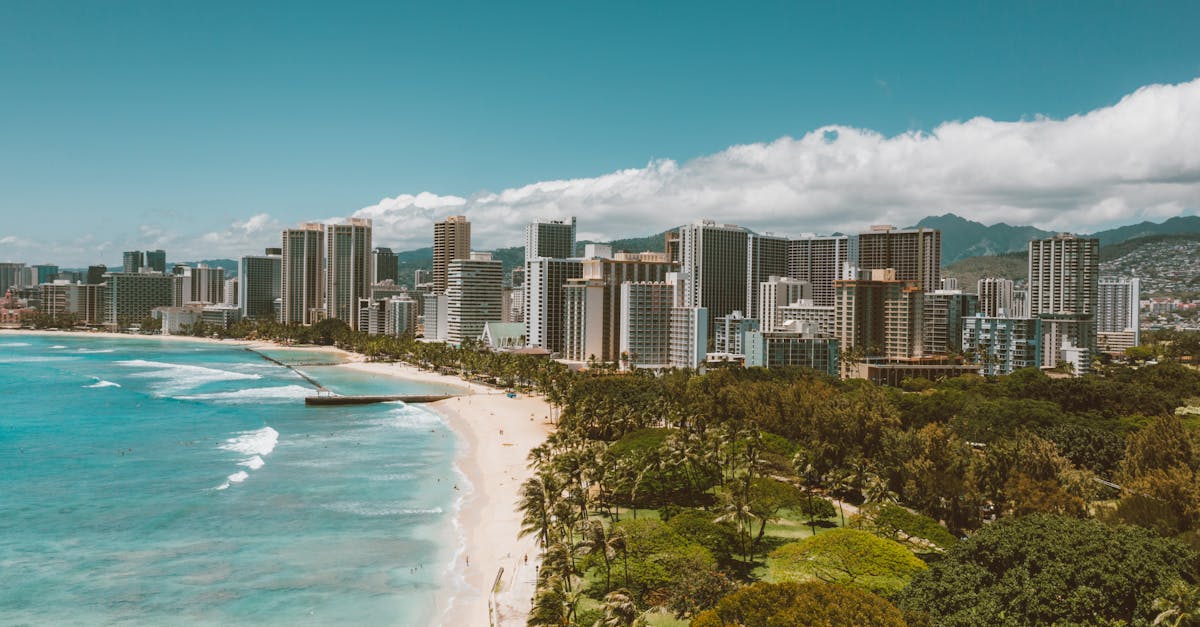
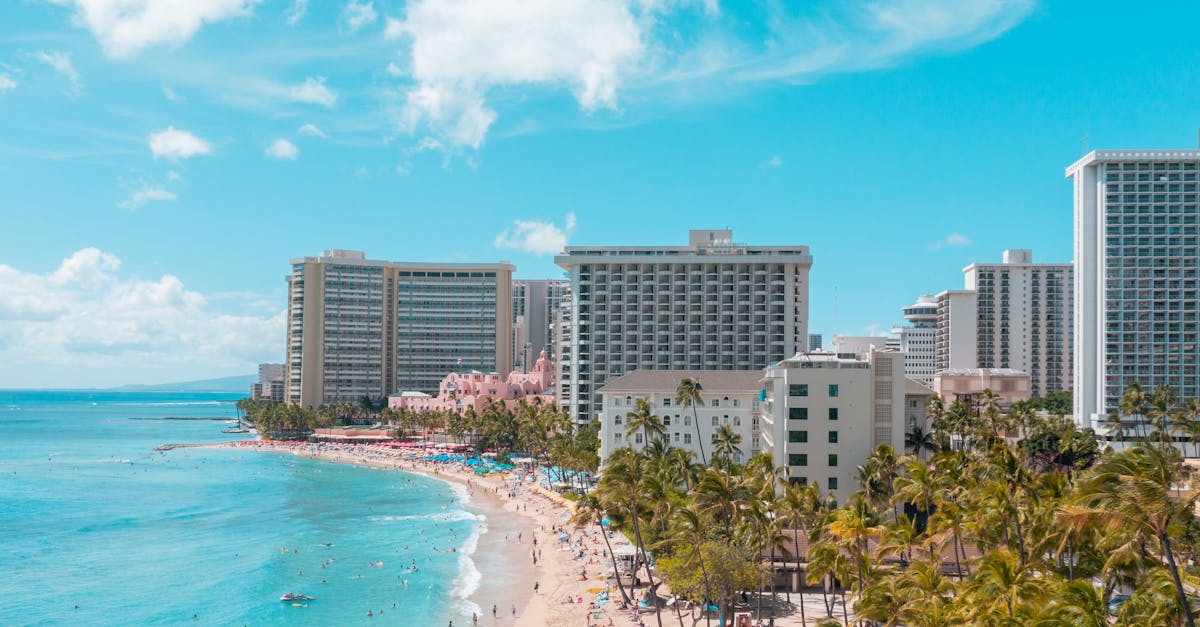
Hawaii is doubling down on luxury tourism, a strategy aimed at attracting higher-spending visitors and potentially mitigating some of the impacts of over-tourism. This approach seeks to balance exclusivity and experience with the islands' finite resources. While this pivot offers new avenues for revenue and specialized services, it simultaneously intensifies the challenge of reconciling high-end hospitality with long-term environmental and social sustainability. Businesses that cater to or can adapt to this luxury segment, while critically assessing their sustainability practices, will be best positioned to capitalize on this evolving market.
Who's Affected
Tourism Operators: Hotels, high-end tour operators, and exclusive vacation rental providers stand to benefit from increased per-customer spending. However, this segment demands impeccable service, unique personalized experiences, and a strong commitment to sustainability. Operators must invest in staff training, unique activity development, and transparent environmental practices to meet the expectations of discerning luxury travelers. Failure to do so could lead to negative reviews and reputational damage in a market segment highly sensitive to brand perception.
Real Estate Owners: The focus on luxury tourism can drive demand for premium properties, from exclusive beachfront resorts to high-end private residences. Developers and property owners may see opportunities for higher rental yields and property appreciation. However, developing and maintaining properties to luxury standards, including enhanced amenities and stringent environmental controls, can significantly increase construction and operational costs. Zoning and land use regulations will be critical, as the development of exclusive properties often faces scrutiny regarding environmental impact and community integration.
Investors: This trend signals potential growth in niche hospitality sectors, luxury amenities providers, and sustainable tourism technologies. Investors should look for opportunities that align with the demand for exclusive, experience-driven travel and possess strong ESG credentials. Markets that successfully balance luxury with sustainability are likely to offer more resilient long-term returns, while those that neglect sustainability may face regulatory headwinds and reputational risks.
Small Business Operators: Local businesses such as high-end restaurants, bespoke retail shops, and specialized service providers can tap into the increased spending power of luxury tourists. This could mean an uptick in demand for unique local products, fine dining, and personalized concierge services. However, businesses will need to adapt their offerings, quality, and pricing to meet luxury benchmarks. There's also a growing expectation from luxury consumers for businesses to demonstrate ethical sourcing, community support, and environmental responsibility, which may necessitate investments in sustainable practices or supply chains.
Second-Order Effects
The pivot towards luxury tourism, while potentially reducing visitor volume, can still exert pressure on local resources and infrastructure. Higher operating costs associated with luxury service delivery and sustainability mandates may be passed on, increasing the price of goods and services for both tourists and residents. This could exacerbate the cost of living for locals, potentially impacting labor availability and wage demands in service industries. Furthermore, an emphasis on exclusivity might limit access to certain areas or experiences for local communities, creating social equity concerns.
What to Do
As Hawaii solidifies its focus on luxury tourism, businesses across various sectors should proactively assess their position and adapt their strategies. The imperative is not just to attract high-spending visitors but to do so responsibly.
Tourism Operators: Evaluate current offerings against luxury market expectations for exclusivity and personalized service. Invest in staff training for superior guest experiences and develop unique, high-value activities. Critically assess and enhance sustainability practices, focusing on areas like waste reduction, water conservation, and local sourcing, and ensure these efforts are communicated to guests.
Real Estate Owners: Research market demand for luxury accommodations and assess the feasibility and cost of developing or upgrading properties to high-end, sustainable standards. Engage with local planning and environmental agencies early in the development process to understand regulatory requirements.
Investors: Conduct due diligence on companies within the luxury tourism and hospitality sector, paying close attention to their sustainability strategies and ESG performance. Identify opportunities in businesses that provide specialized services or products catering to the luxury market, especially those with a clear commitment to environmental and social responsibility.
Small Business Operators: Review product and service portfolios to identify how they can be adapted or enhanced to appeal to luxury travelers. Explore opportunities for partnerships with luxury hotels or tour operators. Investigate sustainable sourcing and operational improvements that align with the values of a discerning clientele and enhance brand reputation.
Action Details
Monitor trends in luxury consumer preferences regarding sustainability and authentic experiences. Watch for indicators such as increased demand for eco-certified accommodations, a premium placed on locally sourced products, and a negative reaction to perceived "greenwashing." If these trends accelerate significantly over the next 6-12 months, businesses should consider investing in tangible sustainability initiatives and enhancing their unique local offerings to align with market expectations and secure a competitive advantage.