


The Hawaii Department of Transportation (HDOT) has released its Energy Security and Waste Reduction Plan, marking a significant step towards achieving the state's ambitious climate goals. This plan, stemming from the settlement in the Navahine v. Hawaii Department of Transportation lawsuit, outlines strategies to eliminate greenhouse gas emissions across all transportation sectors, significantly impacting Hawaii's business landscape. This initiative underscores the state's commitment to reducing its carbon footprint and transitioning towards a more sustainable future, creating both challenges and opportunities for local businesses.
The plan's release follows a groundbreaking climate settlement agreement signed last year between Governor Green’s administration and youth plaintiffs, who sued HDOT for failing to meet the state's emission reduction deadlines. The plan aims to achieve a 50% emissions reduction from 2005 levels by 2030, net-negative transportation emissions by 2045, and ultimately, zero transportation emissions. This requires comprehensive strategies across aviation, marine, and ground transportation hidot.hawaii.gov. The plan aims to not only reduce emissions but also expand affordable transportation options for all residents.
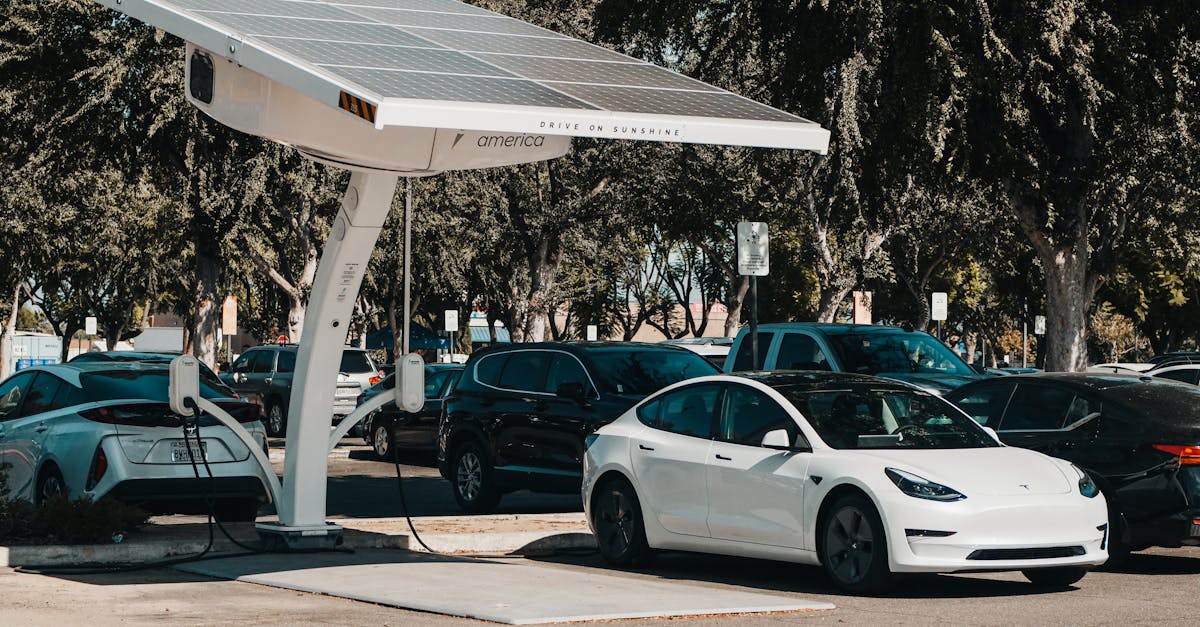
For local businesses, particularly those in the tourism and hospitality sectors, these changes will necessitate adaptation. The state's focus on electrification and alternative fuels could influence fleet purchases, infrastructure development, and operational strategies. Businesses may need to invest in charging stations, explore sustainable transportation options for guests, and align their practices with the state's environmental goals. As Hawaii News Now reports, the plan includes public comment periods to ensure applicability and effectiveness, which emphasizes that the proposal is a reality for all.


