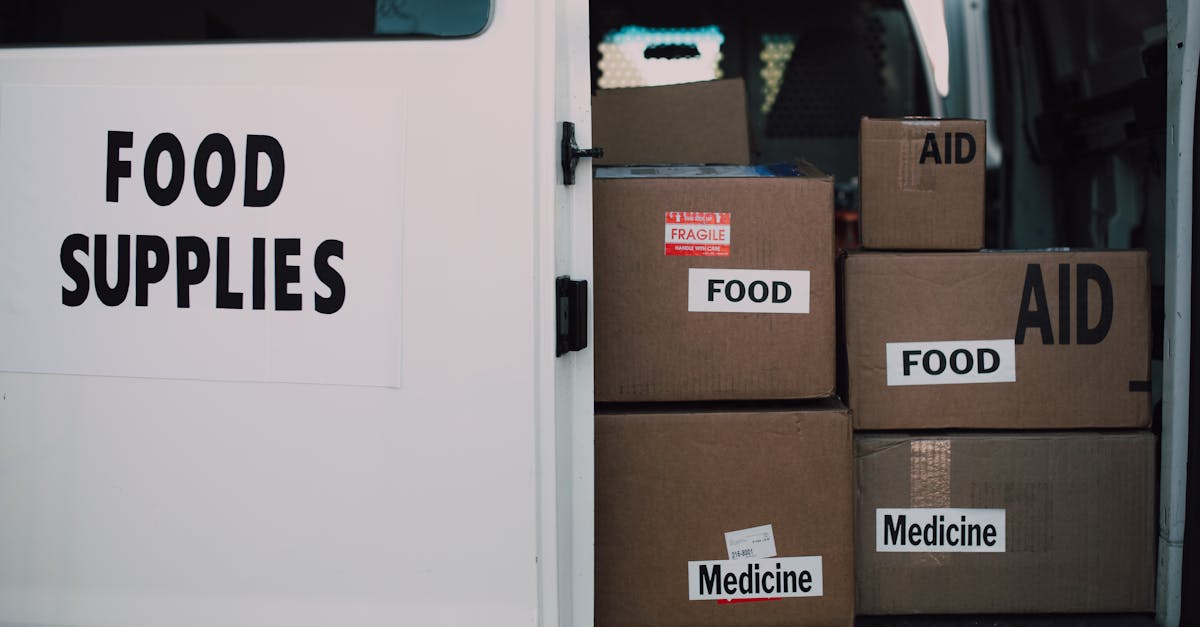
Proposed federal cuts to the Supplemental Nutrition Assistance Program (SNAP) could significantly impact Hawaii's most vulnerable populations and the local businesses that serve them. A recent article from the Star Advertiser highlights concerns that approximately 158,000 low-income residents, including seniors, families, and single adults, could lose access to essential nutrition benefits by the end of September if proposed cuts are approved. The cuts, part of a U.S. House tax bill, aim to slash an estimated $300 billion from the federal program.
The potential impact of these cuts extends far beyond individual households. SNAP benefits support local economies by enabling recipients to purchase food from grocery stores, farmers’ markets, and food hubs. Reduced benefits could lead to decreased spending at these establishments, potentially harming local businesses, especially those that rely heavily on SNAP recipients for revenue. With the high cost of living in Hawaii, the loss of these benefits could exacerbate food insecurity, leading to increased strain on social services and food banks.
Hawaii Appleseed has highlighted the importance of SNAP in ensuring Hawaii residents have access to food, particularly during the pandemic when both need and SNAP usage grew sharply. Furthermore, a Civil Beat report points out that cuts to SNAP could result in reduced benefits and increased pressure on local taxpayers. The Century Foundation's analysis found considerable benefit cuts for some Hawaii households. Considering that SNAP eligibility rules are already subject to scrutiny, such as the $11 million fine the state faced for payment errors, the proposed cuts add another layer of complexity to the problem.
The situation underscores the critical role that SNAP plays in Hawaii's economic and social well-being and emphasizes the necessity of careful consideration of any policy changes that could jeopardize these benefits. Local stakeholders, ranging from policymakers and community organizations to businesses and residents, are likely to closely monitor the progress of the federal legislation and its potential consequences for Hawaii's economy and its people.