


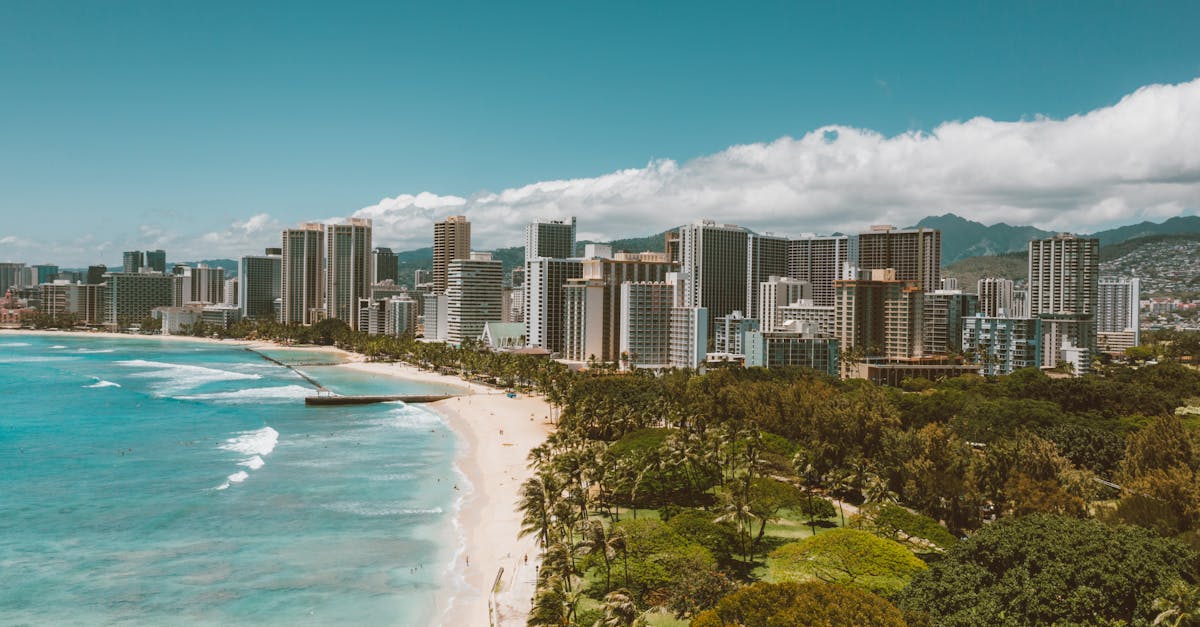
Hawaii's tourism industry is at a crossroads, with a significant clash brewing between major players and the communities they serve. This conflict, highlighted by a recent news item, centers around escalating costs, the impact of overcrowding, and the preservation of Hawaiian culture. These issues are forcing a critical reevaluation of the state's tourism model.
The debate is multifaceted, with hotels and airlines facing scrutiny from both visitors and residents. The high cost of travel and accommodations, coupled with the strain on local resources due to increased tourism, is creating tension. Residents express concerns about the impact on their quality of life, affordable housing, and the environment. The rapid pace of tourism's revival around West Maui, despite the recent wildfires, has reignited the overtourism debate, as reported by Coastal News Today.
The economic implications of these issues are significant for Hawaii's entrepreneurs, investors, and professionals. Tourism is the cornerstone of the state's economy. The Hawaii Tourism Authority confirms that tourism remains the number one driver of the state's economy. Therefore, any disruption to the industry has a ripple effect across various sectors, from hospitality and retail to real estate and construction. The emergence of a 'green tax' for tourists, as announced by Travel Mole, exemplifies Hawaii's efforts to balance economic sustainability with environmental responsibility.
Finding a balance that benefits all stakeholders is the key challenge. The industry grapples with the need to attract visitors while mitigating negative impacts and preserving the unique character of the islands. Addressing these challenges will require innovative solutions. This involves strategies to manage visitor flow, such as promoting off-season travel and diversifying tourism offerings, alongside policies that support local communities and protect the environment.


