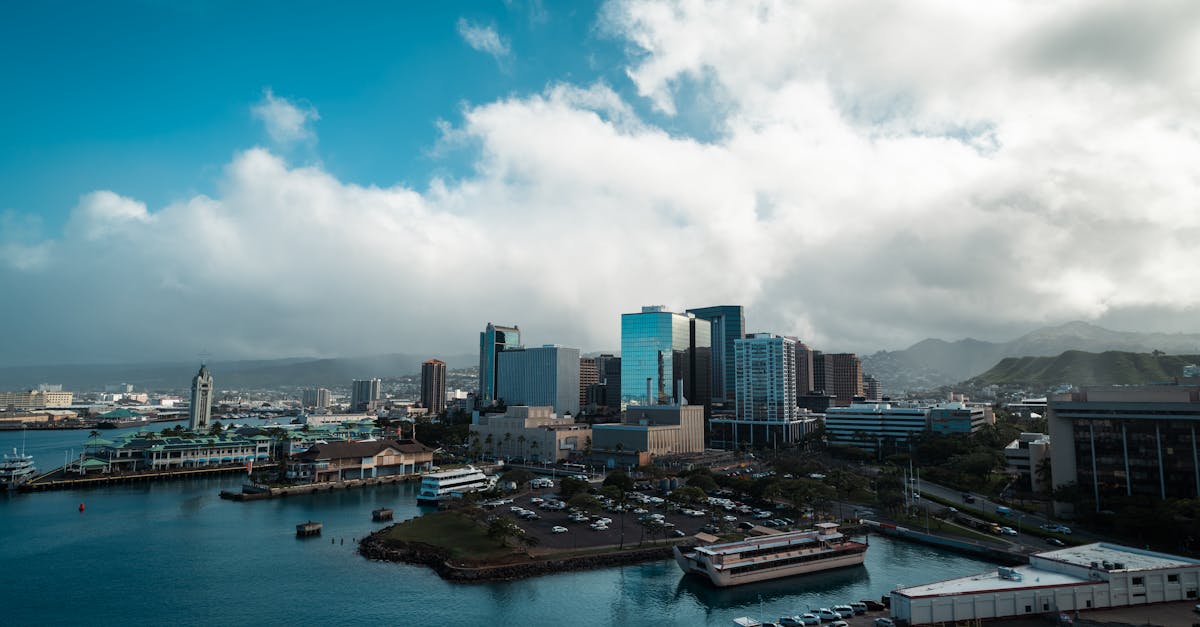
Hawaii's business leaders are preparing for a challenging year ahead as the cost of providing employee health benefits is set to increase significantly in 2026. The recent projections indicate that employers will face considerable 'sticker shock' when it comes to healthcare premiums, prompting a critical need for strategic planning among local entrepreneurs, investors, and professionals.
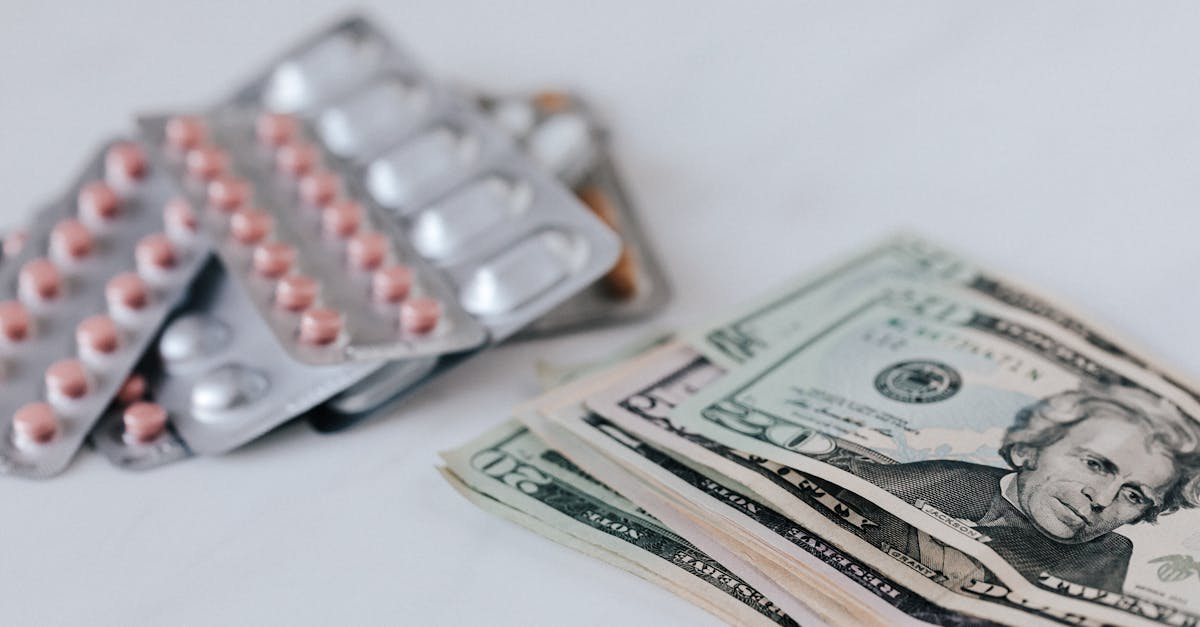
One of the primary drivers of this cost surge is the increasing use and expense of prescription drugs, particularly a class of medications known as GLP-1s. These drugs, initially designed for Type 2 diabetes, have gained popularity for weight loss, leading to surging demand and associated costs. This trend has caught the attention of health insurers, prompting them to scrutinize coverage and explore cost management strategies, including prior authorization and tiered formularies. STAT News reports that some insurers have spent more on drugs in the first nine months of 2025 than in all of 2024 with expenses rising more than 20% in 2025, primarily due to GLP-1s.
Beyond prescription drugs, employers in Hawaii are also facing pressures from other factors. The rising cost of cancer care, chronic health conditions, and an aging population, contributes to the complex financial challenges that businesses must navigate. Managed Healthcare Executive published findings from Mercer’s 2025 National Survey of Employer Sponsored Health Plans that healthcare costs per employee are expected to increase by 6.7% in 2026, the highest in 15 years.
In light of these increases, Hawaii businesses must proactively assess their health benefit strategies. This includes evaluating plan designs, negotiating with vendors, exploring value-based care models, and promoting employee wellness programs. Early and strategic action is crucial for mitigating the financial impact on both employers and employees in the dynamic Hawaiian business landscape.