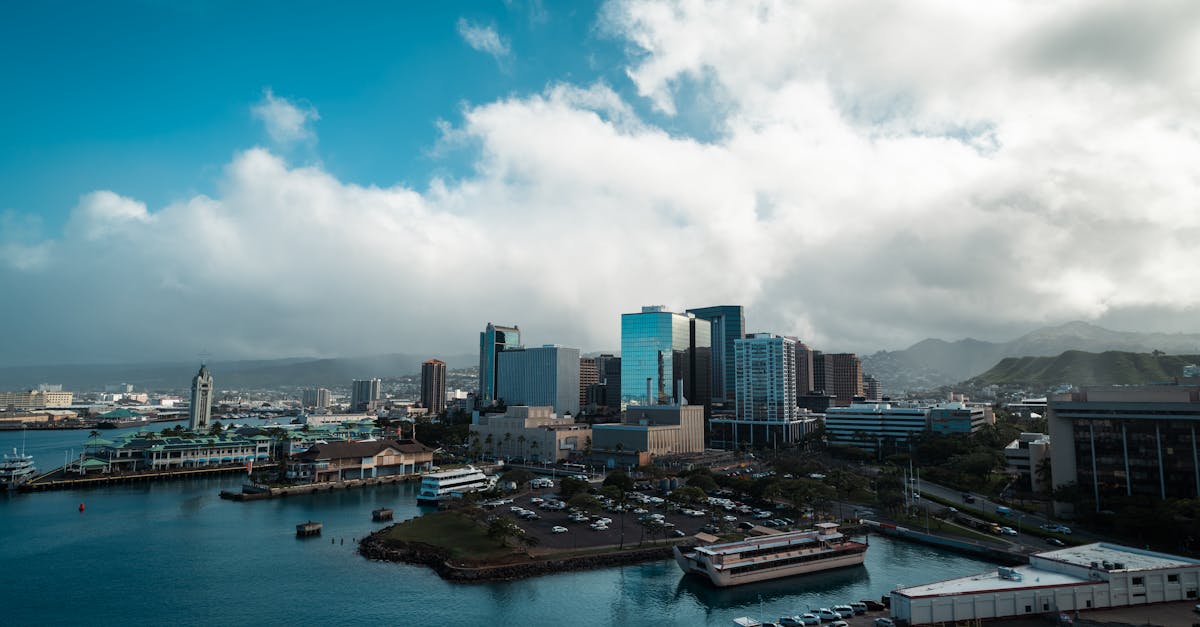
Honolulu is seeking to ease requirements for small businesses struggling due to the ongoing rail construction along Dillingham Boulevard. This initiative, driven by the city's recognition of the prolonged hardship faced by local enterprises, aims to provide much-needed financial relief. The transit construction mitigation fund, established last year, is now being adjusted to offer more accessible assistance, according to reporting by KHON2, signaling a proactive approach to support local businesses during infrastructure projects.
The primary objective is to broaden eligibility and simplify the application process for the mitigation fund. By loosening the existing requirements, the city hopes to reach a wider array of businesses affected by the construction, including those indirectly impacted by reduced foot traffic or logistical challenges. This move reflects a broader understanding of the cascading effects of large-scale infrastructure projects on the business community. The changes are anticipated to offer a lifeline to businesses that have endured significant disruptions due to construction, allowing them to offset losses and maintain operations.
This effort aligns with broader strategies aimed at fostering a resilient business environment in Honolulu. By actively addressing the challenges faced by small businesses, the city can mitigate potential economic setbacks and encourage local entrepreneurship. The commitment to adapting support mechanisms, as highlighted by the Honolulu City Council member Tyler Dos Santos-Tam, demonstrates a commitment to economic stability. This proactive stance is crucial for ensuring sustainable growth and recovery in the face of ongoing construction.
Further, the implications extend to fostering investor confidence and promoting long-term economic health. Encouraging small business survival during transit construction projects signals a commitment to a supportive environment and mitigates project-related detriments. This improves the business climate for future developments. A comprehensive study by the Hawaii Business Magazine reveals that streamlined regulations directly correlate with sustained economic growth, particularly regarding small and medium size businesses, bolstering the argument for this revision.
This is a positive development for Honolulu's small business sector and a signal of more support from the government. The revisions can act as a precedent that allows similar measures to go into effect for other business owners in Honolulu that are impacted by the rail line.