


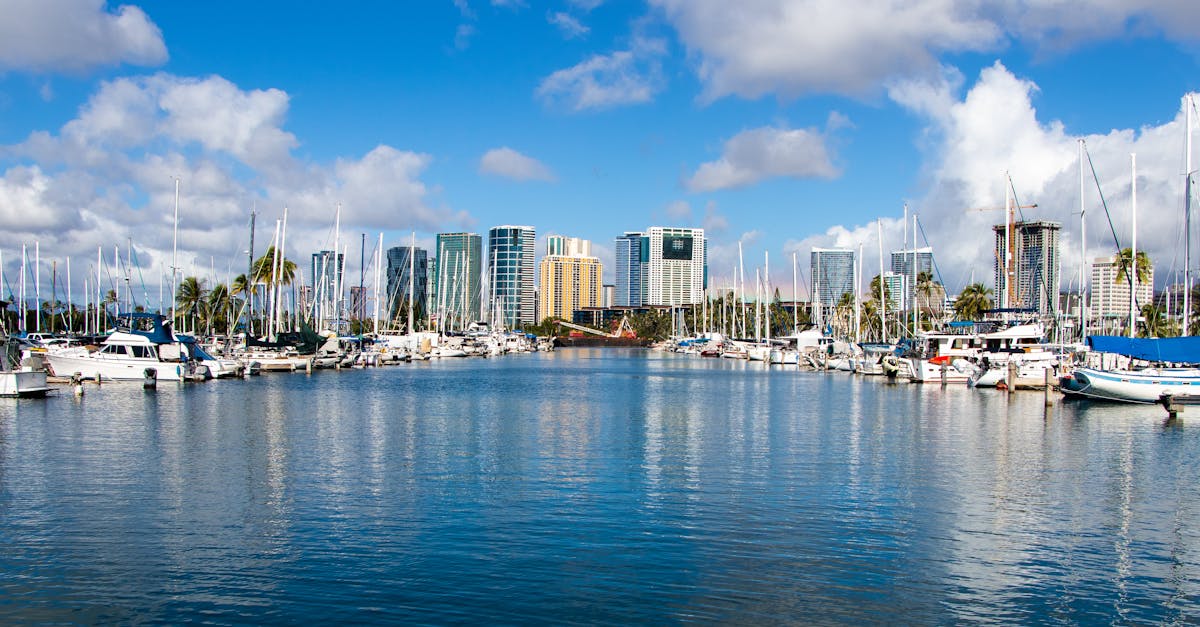
Pier 16 Indefinite Closure Roils Honolulu Harbor Operations
The indefinite closure of berths at Pier 16 in Honolulu Harbor, following a recent incident where a fishing boat struck the bridge infrastructure supporting Nimitz Highway, presents an immediate and significant disruption to Hawaii's primary maritime gateway. State officials have sealed off the affected berths, with no timeline provided for their reopening. This incident not only halts operations at Pier 16 but also raises immediate concerns about the structural integrity of the Nimitz Highway bridge, a critical artery for land-based transportation connecting directly to the harbor.
The extent of the damage to the bridge structure is still under assessment, adding a layer of uncertainty to the duration of the disruption and potential cascading impacts on traffic flow and landside logistics. The closure forces all cargo and vessel operations previously designated for Pier 16 to seek alternative berths within the already congested Honolulu Harbor, or to reroute entirely, straining existing infrastructure and logistics networks.
Who's Affected
Small Business Operators (small-operator)
Businesses reliant on imports and exports through Honolulu Harbor, including retail shops, restaurants, and local manufacturers, face immediate challenges. The closure of Pier 16 berths will likely lead to increased shipping costs due to rerouting and potential demurrage fees if vessels cannot be accommodated. Expect transit times for goods to extend by an estimated 10-20% or more, impacting inventory management and potentially leading to stockouts. Restaurants and retailers may experience delays in receiving crucial supplies, affecting product availability and customer satisfaction. Local franchises relying on centralized distribution through the harbor will also feel the pinch, potentially impacting their operational consistency.
Investors (investor)
Investors must re-evaluate portfolio companies with significant exposure to Hawaii's import/export logistics and supply chains. Companies heavily dependent on timely deliveries through Honolulu Harbor may face reduced profitability and increased operational risk. This disruption could impact companies involved in shipping, warehousing, and last-mile delivery services. The potential for prolonged closures or further infrastructure issues could dampen investor confidence in logistics-dependent sectors within the state. Real estate investments tied to port-adjacent warehousing may also see decreased demand if supply chain reliability falters.
Tourism Operators (tourism-operator)
While not directly handling passengers, tourism operators are indirectly affected. Delays in the delivery of food and beverage supplies to hotels and restaurants, as well as goods for amenity operations (e.g., linens, cleaning supplies), can impact the quality of the guest experience. Prolonged supply chain issues could contribute to rising operational costs for hospitality businesses, potentially leading to price increases that could affect visitor spending or competitiveness.
Entrepreneurs & Startups (entrepreneur)
Startups and growing businesses in Hawaii, particularly those with hardware components or physical products, will find their scaling efforts challenged by unreliable logistics. Unforeseen delays can disrupt product launch schedules, client commitments, and overall business growth. Entrepreneurs should proactively assess their supply chain vulnerabilities and consider diversifying shipping routes or sourcing strategies to mitigate these risks. The increased cost and unreliability of logistics could also make it harder to attract investment, as investors may perceive higher operational risks.
Agriculture & Food Producers (agriculture)
For Hawaii's agriculture and food producers, the closure of Pier 16 is a significant blow to export logistics. perishable goods requiring timely shipment to mainland markets or other islands will face increased spoilage risks and extended transit times. This could lead to lost revenue and reduced market access. Farmers and aquaculture operators may need to explore alternative, potentially more expensive, shipping methods or negotiate with carriers for priority access to other available berths. The ability to export value-added products could also be compromised.
Healthcare Providers (healthcare)
Healthcare providers, including private practices, clinics, and medical device companies, face potential disruptions in receiving critical medical supplies, pharmaceuticals, and equipment. While medical shipments often receive priority, delays are still possible within a congested and disrupted port. Telehealth providers and medical device companies relying on inbound components for assembly or repair could also experience setbacks. Ensuring a buffer stock of essential supplies and verifying the contingency plans of key suppliers is paramount.
Second-Order Effects
The indefinite closure of Pier 16 and potential damage to the Nimitz Highway bridge will trigger a series of cascading impacts across Hawaii's constrained economic system. Initial disruptions to cargo flow at the harbor will inevitably lead to increased demand on remaining berths, potentially causing bottlenecks and extended vessel wait times. This reduced port efficiency will translate to higher shipping costs, which will be passed on to consumers through increased prices for imported goods, from groceries to electronics. For businesses, this means higher operating expenses, squeezing already thin margins. The increased cost of goods and services will disproportionately affect lower-income households, exacerbating cost-of-living pressures. Furthermore, if the Nimitz Highway bridge damage is substantial and requires significant repairs, it will severely impact land transportation, compounding delays for businesses receiving or dispatching goods via truck and potentially increasing the time and cost associated with local deliveries, thereby hindering inter-island commerce and last-mile distribution.
What to Do
Small Business Operators
Act Now: Immediately review your supply chain for critical components and inventory. Identify alternative shipping carriers and port options within the Hawaiian Islands, prioritizing those not reliant on Pier 16. Begin contacting suppliers to understand their contingency plans and expected impact on delivery schedules. Consider increasing buffer stock for essential items if feasible and cost-effective.
Investors
Watch: Monitor financial reports and earnings calls of publicly traded logistics and retail companies operating in Hawaii. Track any public statements from companies regarding supply chain disruptions and their mitigation strategies. Assess the long-term implications for companies with significant fixed assets tied to Honolulu Harbor infrastructure. Look for opportunities in companies developing alternative logistics solutions.
Tourism Operators
Act Now: Liaise with your primary food, beverage, and amenity suppliers to understand potential impacts on their delivery schedules. Inquire about their contingency plans for alternative sourcing or delivery methods. Communicate any significant potential disruptions to guest services proactively, if necessary, to manage expectations.
Entrepreneurs & Startups
Act Now: Conduct a thorough risk assessment of your supply chain. Map out all critical suppliers and logistics providers, assessing their dependence on Honolulu Harbor, specifically Pier 16. Explore and cost out alternative shipping routes or carriers, including potential use of Neighbor Island ports for specific shipments if feasible. Diversify supplier base where possible to reduce single-point-of-failure risks.
Agriculture & Food Producers
Act Now: For export-bound products, immediately contact your freight forwarders and logistics partners to secure space on vessels not utilizing Pier 16 or explore inter-island barge services as a temporary alternative for mainland connections. Assess the viability and cost of air cargo for higher-value or less perishable goods. Review contracts with buyers to manage expectations regarding potential delivery delays.
Healthcare Providers
Act Now: Contact your primary medical supply and pharmaceutical vendors to confirm their ability to maintain delivery schedules. Inquire about their backup logistics plans and any potential rerouting strategies. Review your own inventory levels for critical medications and supplies, and consider increasing safety stock if vendors indicate higher risk of delays.


