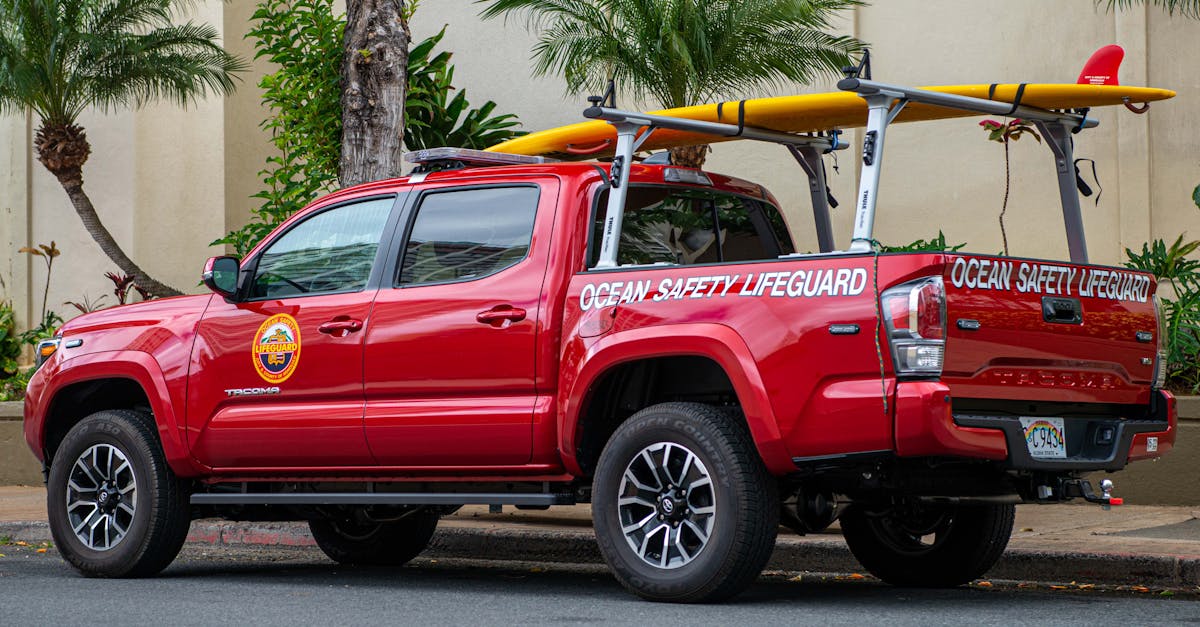
Honolulu Ocean Safety Department Facility Relocation: Monitoring Opportunity and Risk
The City and County of Honolulu is actively seeking a new headquarters for its Ocean Safety Department, a move that could reshape how public safety services are delivered and supported on Oahu's beaches. This initiative signals a significant investment in infrastructure that may create new opportunities for businesses and require existing stakeholders to adapt to potential changes.
The Change
The Honolulu Ocean Safety Department is in the process of identifying and potentially relocating to a new headquarters. The exact timeline and specific location are still under consideration, but the department's need for upgraded facilities points toward a future where lifeguard operations, training, and administrative functions might be consolidated or modernized. This process is likely to unfold over the next 1-3 years, involving planning, budgeting, and ultimately, construction or renovation.
Who's Affected?
Real Estate Owners and Developers
The search for a new headquarters could unlock opportunities for real estate owners and developers. Depending on the city's acquisition strategy, this could involve the sale of existing property, the development of a new purpose-built facility, or the repurposing of current city-owned land. Properties near key coastal areas or with the potential for public access infrastructure might see increased interest. Furthermore, changes in the location or operational footprint of a major city department can influence local zoning discussions and the demand for commercial or support-related real estate in adjacent areas.
Entrepreneurs and Startups
This infrastructure shift presents a fertile ground for entrepreneurs and startups focused on public safety, marine technology, communication systems, or facility management. As the Ocean Safety Department seeks to modernize, there could be a demand for innovative solutions in areas such as real-time hazard monitoring, emergency response communication, lifeguard equipment, or sustainable facility design. Early engagement with city planning could position startups to offer cutting-edge services or technologies that align with the department's future needs.
Small Business Operators
Small businesses, particularly those in construction, maintenance, specialized equipment supply, and support services, may find new contract opportunities. The development or refurbishment of a significant public facility often requires a diverse range of specialized trades and supplies. Businesses that can demonstrate expertise in marine environments, public works, or security infrastructure could be well-positioned to bid on tenders or subcontracting roles as the project progresses. This requires a proactive approach to monitoring city procurement announcements.
Second-Order Effects
- Public Facility Investment → Increased Local Demand for Skilled Trades → Potential for Wage Inflation in Construction Sector: The development of new public infrastructure often draws on a finite pool of skilled labor. Increased demand for electricians, plumbers, and specialized construction workers can lead to wage pressures in these sectors, benefiting workers but potentially increasing project costs for the city and contractors.
- Departmental Relocation → Shift in Local Foot Traffic → Impact on Nearby Small Businesses: If the new headquarters is in a different locale, businesses that currently service the Ocean Safety Department's personnel or operations could see a decline in immediate business. Conversely, areas near a new facility might experience an increase in economic activity, benefiting local eateries and service providers.
- Modernized Facilities → Enhanced Lifeguard Effectiveness → Improved Coastal Safety Metrics: While not a direct economic impact for businesses, the upgrade of facilities for the Ocean Safety Department is intended to improve lifeguard response times and operational efficiency, ultimately contributing to better public safety outcomes and potentially enhancing the visitor experience, which indirectly supports the tourism industry.
What to Do
Real Estate Owners and Developers
Monitor: Track the City and County of Honolulu's public planning documents, project announcements, and budget allocations related to the Ocean Safety Department's facility needs. Pay close attention to any land acquisition proposals or zoning change requests. Trigger Condition: If the city formally identifies potential sites or procurement processes for a new facility begin, explore property acquisition, partnership opportunities, or pre-development planning for adjacent sites.
Entrepreneurs and Startups
Monitor: Follow news from the Honolulu Ocean Safety Department and relevant city agencies regarding their strategic planning and technology requirements. Look for innovation challenges or pilot program opportunities. Trigger Condition: If the city publicly outlines specific technological or service needs for a new facility (e.g., advanced communication, environmental monitoring, data analytics), prepare proposals and begin networking with city officials.
Small Business Operators
Monitor: Regularly check the City and County of Honolulu's procurement websites and public notice boards for any solicitations related to construction, maintenance, equipment, or facility services for the Ocean Safety Department. Trigger Condition: Upon the release of RFPs (Requests for Proposals) or bid announcements for facility construction, renovation, or specialized equipment, assess your business's capacity to bid and prepare competitive proposals.
Do Nothing for now if you are not directly involved in real estate development, public safety technology, or construction/maintenance services. The primary action required is to stay informed and responsive as the city's plans formalize. If you are in one of the affected categories, the key is proactive monitoring rather than immediate action, as concrete opportunities will emerge from formal city processes.


