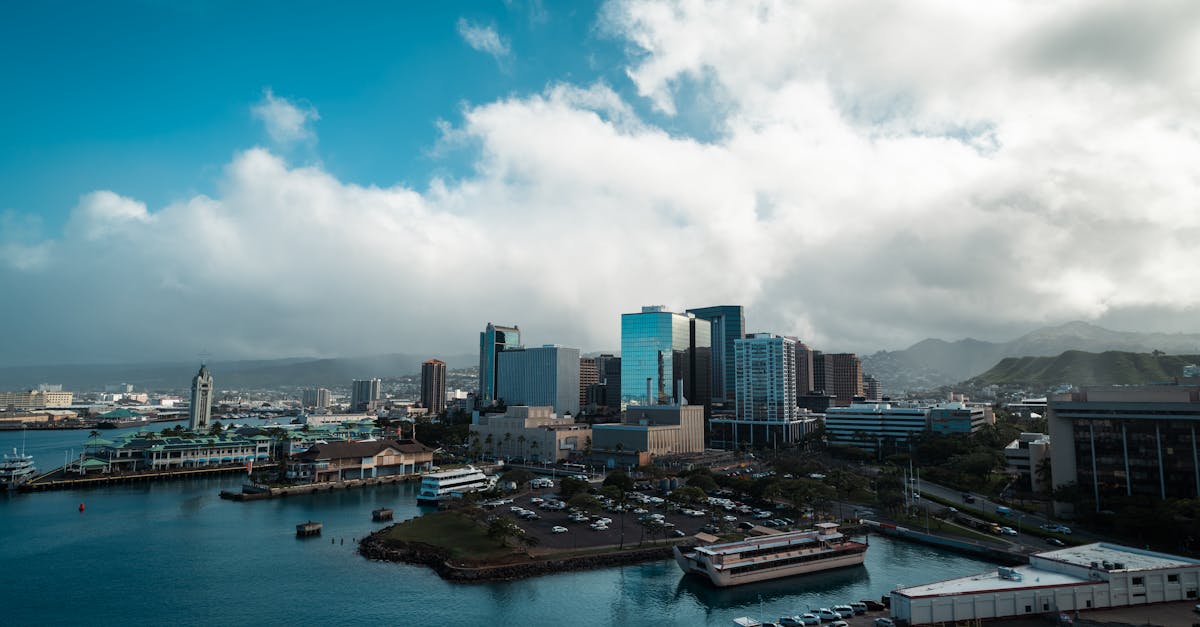
Honolulu's High Ranking in Recreational Access May Signal Subtle Shifts for Local Businesses
A 2026 national study has ranked Honolulu #1 for resident access to recreational facilities, particularly noting the availability of public tennis courts and the ease of engaging in such activities. While this presents a positive lifestyle indicator for residents, it also carries potential second-order effects for businesses within the state. This ranking serves as an early signal for entrepreneurs and real estate owners to anticipate subtle shifts in consumer behavior and local development priorities.
The Change
The study, conducted by an unspecified national research organization and reported in early 2026, assessed cities across the United States based on criteria such as the number of public recreational facilities per capita, cost of access, and ease of use. Honolulu's top ranking, specifically attributed to its extensive and accessible network of public tennis courts, suggests a higher level of community engagement in physical activity. This is framed as a positive attribute for resident well-being, but for the business community, it indicates a segment of the population with leisure time and potentially disposable income for related goods and services.
Who's Affected
-
Small Business Operators: While not a direct driver of immediate operational cost changes, this indicator could suggest a growing market segment for businesses supporting recreational activities. This includes sporting goods retailers, casual dining establishments near public parks, and service providers catering to active lifestyles. Operators should watch for increased demand in these niche areas.
-
Real Estate Owners: An emphasis on recreational facilities can enhance the desirability of neighborhoods. For real estate owners, particularly those with properties near parks or sports complexes, this could translate to increased demand for residential rentals or properties. While unlikely to cause immediate valuation shifts, it's a factor to consider in long-term development and leasing strategies.
-
Entrepreneurs & Startups: This study may signal emerging opportunities in the wellness and recreation technology sectors. Startups focused on community sports leagues, fitness apps tied to local facilities, or specialized athletic apparel could find a more receptive local market as active lifestyles gain prominence. Funding access for such ventures might see a marginal improvement if investor sentiment recognizes Hawaii's lifestyle advantages.
Second-Order Effects
Increased resident engagement in recreational activities, as highlighted by Honolulu's top ranking, can lead to a variety of ripple effects within Hawaii's unique economic ecosystem.
-
Increased demand for sporting goods and apparel: This could place pressure on local retailers to increase inventory and potentially face supply chain challenges due to Hawaii's isolated location and reliance on imports, leading to higher consumer prices for these goods.
-
Growth in food and beverage services near recreational hubs: As more residents utilize parks and courts, nearby cafes and restaurants may experience increased foot traffic, potentially leading to higher demand for staff and, consequently, upward pressure on wages in those specific service sectors.
-
Enhanced neighborhood desirability: Areas with abundant, well-maintained recreational facilities often become more attractive residential locations. This sustained demand could contribute to incremental increases in property values and rental rates over time, indirectly impacting the cost of living and potentially influencing affordability for small business employees.
What to Do
This study provides a snapshot of lifestyle quality in Honolulu, suggesting a subtle but positive trend for sectors related to recreation and active living. For affected roles, the primary action is to monitor indicators related to community participation and related consumer spending.
-
Small Business Operators: Monitor local park usage statistics and the sales performance of sporting goods retailers. If you operate a business offering health-conscious food options or services, consider targeted marketing campaigns to capitalize on this lifestyle trend.
-
Real Estate Owners: Keep track of rental vacancy rates and property appreciation in neighborhoods with high concentrations of public recreational facilities. Consider how proximity to these amenities can be leveraged in marketing materials for new developments or lease renewals.
-
Entrepreneurs & Startups: Research the specific types of recreational activities showing the highest engagement. Explore potential gaps in services or technology that could support these activities, and assess the local talent pool for specialized skills in sports management or fitness technology.
The critical indicator to watch is whether this trend translates into measurable increases in consumer spending in leisure and recreation-related sectors over the next 12-18 months. A sustained increase could warrant more direct investment or strategic shifts.