


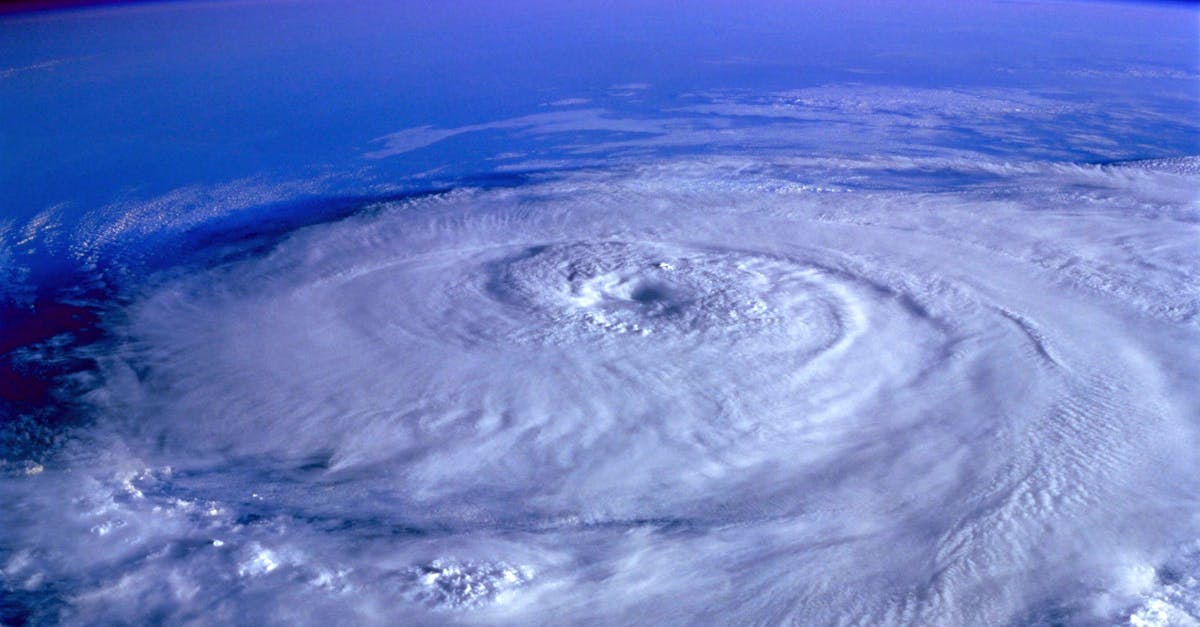
Hurricane Fausto Threatens Immediate Revenue Loss and Property Damage Across Hawaii Businesses
Hurricane Fausto is on a projected track to impact the Hawaiian Islands within the next 72-96 hours, posing immediate threats of severe weather, including high winds, heavy rainfall, and coastal storm surge. This poses an immediate risk to businesses across all sectors, demanding urgent action to mitigate potential property damage, safeguard employees, and prepare for operational disruptions.
The Immediate Threat
As of Saturday, July 26, 2026, Hurricane Fausto has been upgraded to a Category 3 storm and is tracking westward towards Hawaii. Officials are urging residents and businesses to finalize preparations over the weekend. The primary concerns are significant rainfall leading to flash flooding, dangerous storm surge along coastal areas, and destructive winds capable of widespread power outages and structural damage. Given Hawaii’s island geography, the impact on infrastructure such as roads, utilities, and port operations could lead to prolonged disruptions.
Who's Affected
Small Business Operators (Restaurants, Retail, Services): Your primary risk is direct physical damage to your premises from wind and water, leading to costly repairs and extended downtime. Supply chains will likely be disrupted, impacting inventory. You face immediate revenue loss due to mandatory evacuations, curfews, or voluntary closures to ensure staff safety. Communication with employees about work status and safety is critical within the next 48 hours.
Real Estate Owners (Property Owners, Landlords, Property Managers): Properties, particularly those in low-lying or coastal zones, are at high risk of flooding and wind damage. Immediate actions include securing buildings, clearing drainage systems, and informing tenants of preparedness measures. Assess insurance coverage for wind and flood damage, as these are often separate policies.
Tourism Operators (Hotels, Tour Companies, Vacation Rentals): Expect a wave of immediate cancellations as airlines reroute or ground flights. Hotels may face requirements to shelter-in-place with guests or manage evacuations. Tour operations will cease. Securing outdoor assets, communicating with upcoming guests about potential disruptions, and managing reservation modifications are pressing concerns.
Agriculture & Food Producers (Farms, Ranches, Food Processors): Crops, especially those in vulnerable areas or nearing harvest, are at severe risk of wind and flood damage, potentially leading to total loss. Livestock require immediate sheltering and securing. Food processing facilities and storage units must be protected from water intrusion and power outages.
Healthcare Providers (Clinics, Private Practices, Hospitals): Patient care continuity is paramount. Ensure emergency power supplies are functional, essential medications and supplies are secured, and communication channels with staff and patients remain open. Telehealth infrastructure should be prepared for increased demand if in-person visits become impossible. Coordinate with emergency management agencies regarding patient transfers or critical care needs.
Second-Order Effects
Beyond immediate property damage, Hurricane Fausto will trigger cascading disruptions. Widespread power outages will cripple businesses reliant on electricity, impacting everything from refrigeration in restaurants to point-of-sale systems in retail. Damaged infrastructure, including roads and ports, will impede the arrival of essential goods and supplies, leading to short-term shortages and increased costs for everything from food to construction materials. This will further strain already tight supply chains and increase operating expenses for businesses attempting to recover.
What to Do
Immediate Actions (Within 24-72 Hours):
For All Business Roles:
- Activate Emergency Preparedness Plan: If you don't have one, implement basic protective measures now. Consult Hawaii Emergency Management Agency for guidance.
- Secure Assets: Board up windows, secure outdoor equipment, and move valuable inventory to higher ground or safer locations. For real estate, clear gutters and storm drains.
- Communicate: Notify employees about potential work disruptions, safety protocols, and communication channels. Inform customers about potential service interruptions or closures.
- Review Insurance: Check your policies for wind and flood damage coverage. Document your property and assets now (photos/videos) for potential claims.
- Stockpile Essentials: For businesses that can remain operational in certain capacities, ensure you have emergency supplies like water, non-perishable food, batteries, and first-aid kits.
Specific Role Guidance:
- Small Business Operators: Prioritize staff safety. Consider pre-identifying safe routes for evacuation if necessary. Back up critical data off-site or in the cloud.
- Real Estate Owners: Secure tenant safety and provide them with preparedness information. Conduct a pre-storm walk-through to identify and mitigate potential hazards.
- Tourism Operators: Implement your cancellation and refund policies proactively. Communicate with airlines and guests. Secure all outdoor and movable tourism assets.
- Agriculture & Food Producers: Move livestock to secure shelters. Harvest any crops that can be salvaged and moved to secure storage. Protect irrigation and power systems.
- Healthcare Providers: Implement your continuity of operations plan. Ensure critical medical supplies are secure and accessible. Confirm emergency power systems are fully functional and tested.
This event requires a swift and decisive response. Procrastination risks significant financial and operational setbacks, compounded by Hawaii's unique logistical challenges.


