


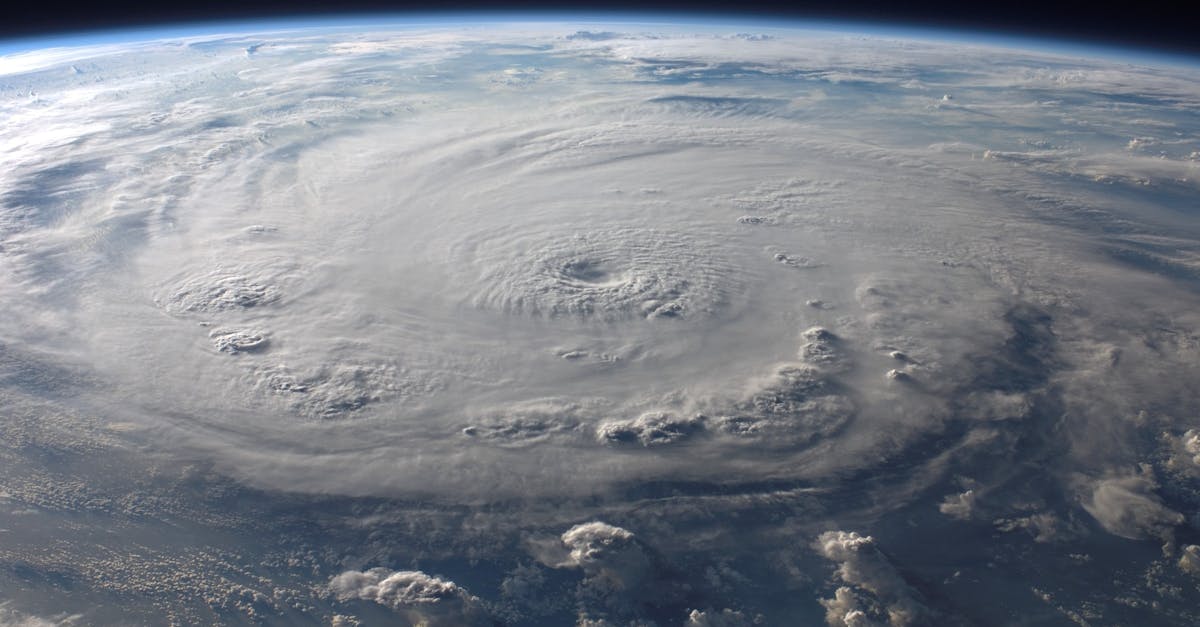
Hurricane Season Intensifies Preparations: Tourism and Agriculture Operators Face Increased Risk of Disruption
Recent severe weather events, including multiple Kona low storms exhibiting hurricane-force winds and torrential rain, signal a heightened and potentially prolonged risk period for Hawaii's businesses as hurricane season intensifies. While the official hurricane season runs from June 1 to November 30, the unusually severe impacts from recent unseasonal storms underscore the need for all businesses, particularly those in tourism and agriculture, to immediately reassess and bolster their preparedness and operational continuity strategies.
The Change
The island chain has experienced a series of intense Kona low-pressure systems that have brought hurricane-force conditions, including high winds and extreme rainfall, far beyond typical seasonal expectations. These events serve as a stark reminder that Hawaii remains vulnerable to severe weather, even outside of traditional hurricane pathways. The psychological and operational impact of these recent storms suggests a need for a more robust and proactive approach to hurricane preparedness, acknowledging that the 'unusual' may be becoming the 'new normal' for cyclical weather patterns in the region. The primary change is not a new regulation, but an elevated threat perception based on recent meteorological events, demanding an immediate shift in operational risk management.
Who's Affected
Tourism Operators
Hotels, tour companies, vacation rentals, and other hospitality businesses face a compounded risk. Severe weather events can lead to immediate booking cancellations, significant damage to property and infrastructure (e.g., coastal erosion affecting beachfront resorts, damage to tour vessels), and widespread travel disruptions due to flight cancellations. The reputational damage from being perceived as an unsafe or unprepared destination can have long-lasting effects on visitor numbers and booking confidence, impacting revenue for months. Businesses that fail to have robust contingency plans for guest safety, operational recovery, and proactive communication with travelers risk substantial financial losses and future market share.
Agriculture & Food Producers
For Hawaii's agricultural sector, the threat of severe storms is an existential one. High winds can decimate crops, flatten greenhouses, and damage essential irrigation and processing equipment, leading to total crop loss and long recovery periods. Torrential rains can cause flooding, soil erosion, and rot, further destroying harvests and rendering land unusable for extended periods. Supply chains are intricately linked; damage to farms and transportation infrastructure can disrupt the flow of local produce to markets, restaurants, and consumers, impacting food security and the viability of businesses reliant on consistent supply. Investment in resilient infrastructure and diversified planting strategies becomes paramount.
Real Estate Owners
Property owners, developers, and property managers are exposed to direct physical damage from high winds and flooding. This translates into increased insurance premiums, potentially higher deductibles, and significant repair costs. For rental properties, damage can lead to extended periods of vacancy and lost rental income. Commercial property owners must also consider the impact on their tenants, particularly those in the tourism and agriculture-adjacent sectors, whose business continuity directly affects their ability to pay rent. Furthermore, increased demand for resilient building materials and construction in the aftermath of severe weather can drive up development and renovation costs.
Second-Order Effects
An increase in severe weather events and the associated infrastructure damage on the islands can have cascading economic consequences. Damage to agricultural land and infrastructure → disruption of local food supply chains → increased reliance on imported goods → inflation in food prices for consumers and businesses → reduced disposable income for residents and tourists → decreased demand for local services and attractions. Furthermore, frequent severe weather events → increased insurance costs for businesses and homeowners → higher operating expenses → potential for business closures and reduced property values, especially in vulnerable coastal areas.
What to Do
For Tourism Operators:
Act Now:
- Review and Update Hurricane Preparedness Plans: This includes evacuation procedures, emergency communication protocols for staff and guests, and critical infrastructure protection measures. Ensure plans account for prolonged power outages and limited access to resources.
- Reinforce Property and Infrastructure: Conduct immediate assessments of buildings, grounds, and essential equipment. Secure loose items, reinforce windows and doors, and implement protective measures for high-value assets and guest-facing areas.
- Review Insurance Policies: Verify coverage limits, deductibles, and specific exclusions related to storm damage. Consider supplemental coverage if necessary.
- Develop Contingency Travel & Accommodation Plans: Establish agreements with airlines and other transport providers for guest evacuation or repatriation, and secure agreements with alternate lodging options should primary facilities become uninhabitable.
- Communicate with Stakeholders: Proactively inform guests with upcoming reservations about potential impacts and the business's preparedness measures. Brief staff thoroughly on updated protocols.
Deadline: All plan reviews and updates should be completed within 30 days, with implementation measures initiated immediately following.
For Agriculture & Food Producers:
Act Now:
- Secure or Relocate Equipment and Supplies: Move machinery, feed, fertilizer, and other critical supplies to higher, more secure ground or protected storage.
- Protect Crops and Livestock: Implement measures to shield crops from high winds and heavy rain (e.g., windbreaks, protective coverings). Ensure livestock have safe, secure shelter.
- Inspect and Reinforce Farm Infrastructure: Check the integrity of barns, greenhouses, fences, irrigation systems, and packing facilities. Make immediate repairs to prevent damage.
- Diversify Crops and Planting Locations: Where feasible, diversify crop types and consider planting in areas less susceptible to flooding or wind damage to spread risk.
- Review Supply Chain Logistics: Identify alternative transportation routes and backup suppliers for essential inputs, and liaise with buyers about potential disruptions.
Deadline: Immediate assessment and action within 30 days to mitigate risks before the peak of the season.
For Real Estate Owners:
Act Now:
- Conduct Property Inspections: Assess the condition of all buildings, focusing on roofing, windows, drainage systems, and landscaping that could pose a risk.
- Secure Properties: Ensure all exterior elements are secured, and consider floodproofing measures for vulnerable ground-floor units or storage areas.
- Review Insurance and Update Coverage: Confirm that property insurance adequately covers storm damage, consider increasing coverage if necessary, and understand your deductible.
- Develop Tenant Communication Protocols: Establish clear communication channels to inform tenants about preparedness measures, potential impacts, and emergency contact information. Ensure lease agreements address storm-related responsibilities.
- Budget for Potential Repairs: Allocate funds for immediate post-storm repairs to minimize vacancy periods and maintain property value.
Deadline: Property inspections and necessary securing measures should be completed within 30 days.


