


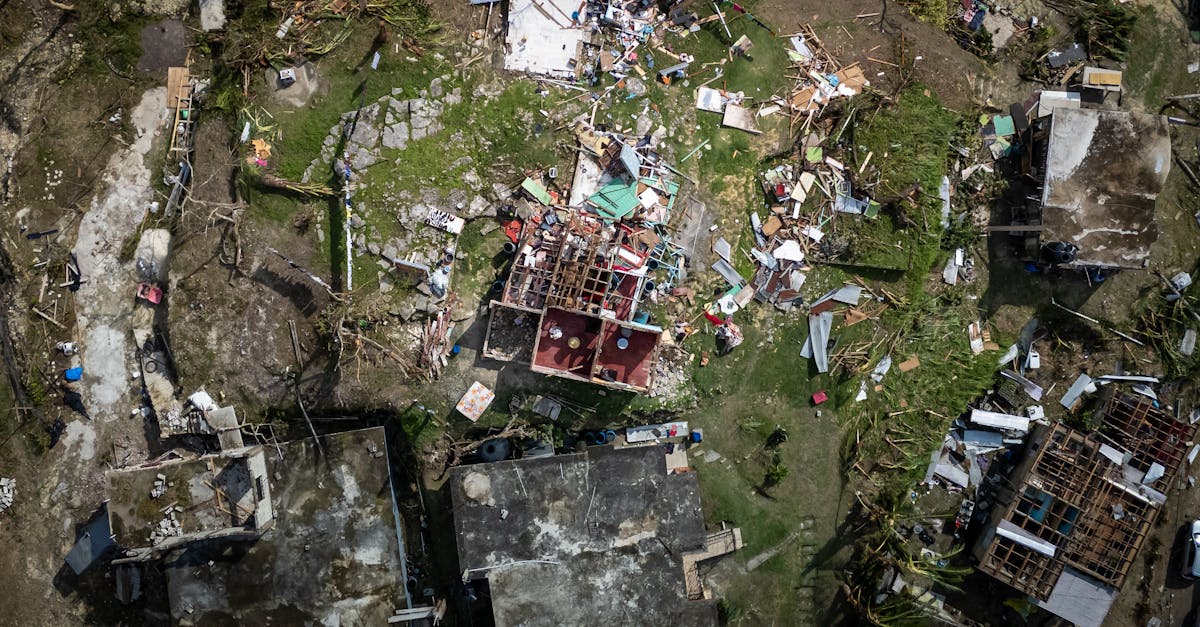
Hurricane Season Start Necessitates Immediate Review of Business Continuity Plans for Tourism and Small Operators
The 2026 hurricane season officially began on June 1st, with the National Weather Service and Central Pacific Hurricane Center actively monitoring two tropical disturbances in the Eastern Pacific Basin. While current projections do not indicate any immediate threats to Hawaii, the heightened potential for storm development underscores the critical need for businesses, particularly in the tourism and small operator sectors, to have robust and up-to-date emergency preparedness and business continuity plans.
The Change
As of June 1, 2026, Hawaii has entered its designated hurricane season, which typically extends through November 30. This period is characterized by increased atmospheric and oceanic conditions conducive to tropical cyclone formation. The current monitoring of two developing disturbances serves as a salient reminder of the potential risks. Historically, the latter half of the season (August-October) often sees the most activity in the Pacific. While no storms are currently forecast to directly impact Hawaii, the proximity of these disturbances, and the general vulnerability of island economies to weather events, elevates the importance of preparedness.
Who's Affected
Tourism Operators: Hotels, vacation rentals, tour companies, and other hospitality businesses face direct impacts from potential storm activity. This includes the risk of cancellations, reduced bookings due to travel advisories, infrastructure damage, and operational disruptions. Maintaining guest safety and ensuring business continuity are paramount. Delays in assessing damage and resuming operations can lead to significant revenue loss during peak or shoulder seasons.
Small Business Operators: Restaurants, retail shops, and service providers, often operating with tighter margins and fewer resources, are particularly vulnerable. A direct hit or even severe weather could lead to property damage, loss of inventory, extended closures, and supply chain disruptions. Staffing can also become a challenge as employees may prioritize personal safety and property.
Real Estate Owners: Property owners, developers, and landlords must consider the potential for storm-related damage to their assets. This includes assessing structural integrity, securing properties, and managing insurance claims. For rental properties, timely repairs and communication with tenants are crucial to minimize vacancy and maintain rental income. Future development plans may also need to incorporate enhanced resilience against extreme weather events.
Second-Order Effects
- Disrupted Tourism → Reduced Local Demand: A significant storm or even persistent severe weather warnings can lead to widespread cancellations, dramatically reducing visitor numbers. This lowered demand directly impacts not only hotels and tour operators but also trickles down to small businesses like restaurants and retail shops that rely on tourist foot traffic.
- Supply Chain Vulnerability: Hawaii's reliance on imported goods means a hurricane can severely disrupt supply chains for food, construction materials, and other essential business inputs. This can lead to increased operating costs for businesses and shortages for consumers.
- Infrastructure Strain: Damage to critical infrastructure (ports, airports, power grids, communication networks) can hinder recovery efforts, prolong business closures, and add significant costs to rebuilding and operational resumption.
What to Do
Given the immediate start of hurricane season and the monitoring of tropical disturbances, businesses should treat this as a 'watch' level alert. Proactive review and updating of emergency plans are essential to mitigate risks.
For Tourism Operators:
- Action: Review and update your hurricane preparedness and business continuity plans. Ensure all staff are trained on evacuation procedures, communication protocols, and guest safety measures. Confirm insurance coverage adequacy and contact your provider to understand claim processes and requirements.
For Small Business Operators:
- Action: Assess your business continuity plans, focusing on potential impacts from extended power outages, supply chain disruptions, and physical damage. Secure vulnerable assets, review inventory management for potential spoilage, and establish clear communication channels with employees and suppliers.
For Real Estate Owners:
- Action: Inspect properties for potential vulnerabilities to high winds and flooding. Ensure adequate storm shutters or protective measures are in place and that drainage systems are clear. Review property insurance policies to confirm coverage for hurricane-related damages and understand deductibles and claim filing procedures.
Monitoring & Triggers
Businesses should actively monitor advisories from the National Weather Service (NWS) and the Central Pacific Hurricane Center (CPHC) throughout the season.
- Watch: Track the development and projected paths of any named storms or significant tropical systems. Pay close attention to watches and warnings issued by the NWS, which signal potential impacts within 48 hours (watch) or imminent threats (warning).
- Trigger for Action: If a storm is forecast to approach within 72 hours and poses a credible threat of making landfall or causing significant indirect impacts (e.g., heavy rains, high surf, strong winds) in your operating area, implement your full emergency response plan. This includes activating communication protocols, securing properties, and potentially enacting phased operational shutdowns or evacuations as advised by authorities.


