IMMEDIATE OPERATIONAL DISRUPTIONS LOOM FOR HAWAII BUSINESSES
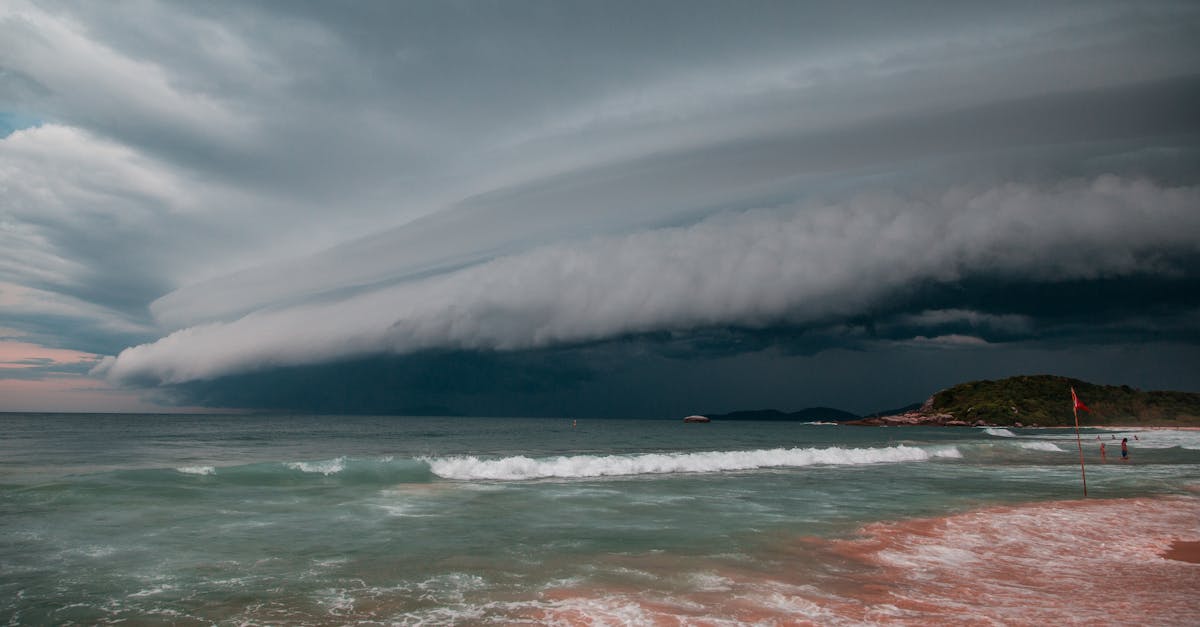
A severe Kona low-pressure system has unleashed torrential rains and damaging winds across the Hawaiian Islands, causing widespread power outages affecting an estimated 130,000+ customers as of Friday morning. The storm has also prompted flash flood warnings and, critically, evacuation advisories for areas near the Wahiawa Reservoir dam on Oahu due to rising water levels. These conditions represent an immediate and significant threat to business operations, workforce availability, and physical infrastructure across affected islands. The duration of these outages and the extent of flooding are the primary drivers of immediate business continuity risks.
WHO'S AFFECTED
Small Business Operators (small-operator)
- Impact: Businesses relying on electricity for core operations (retail POS systems, refrigeration, lighting, internet) face immediate revenue loss and potential spoilage. Extended power outages can render locations inaccessible due to flooding or staff inability to commute. Workforce availability is severely compromised as employees may be dealing with personal power loss, lack of transportation, or safety concerns.
- Timeline: Immediate. Power outages are ongoing, and road conditions are deteriorating. Assess operational status hourly.
Real Estate Owners (real-estate)
- Impact: Properties, particularly those in low-lying or flood-prone areas, are at imminent risk of water damage. Essential building systems (HVAC, elevators, security) may fail without power, impacting tenant safety and habitability. Evacuation advisories necessitate immediate action for residents or businesses in affected zones.
- Timeline: Immediate. Floodwaters are already present or rising. Property damage assessment and mitigation must begin as soon as safely possible.
Tourism Operators (tourism-operator)
- Impact: Hotels and accommodation providers are challenged by power outages affecting guest comfort, food service, and communication systems. Tour operators face cancellations due to unsafe conditions and travel disruptions. Flight cancellations or delays can strand incoming guests and prevent departing guests from leaving.
- Timeline: Immediate. Impacts on guest experience and operational capacity are occurring now.
Agriculture & Food Producers (agriculture)
- Impact: Torrential rain can lead to crop damage, soil erosion, and flooding of fields or aquaculture facilities. High winds pose risks to greenhouses and vulnerable crops. Power outages affect irrigation systems, cold storage, and processing equipment. Livestock safety and access to feed are also critical concerns.
- Timeline: Immediate. Crop and livestock conditions need urgent assessment in affected areas.
Healthcare Providers (healthcare)
- Impact: Extended power outages pose critical risks to medical equipment, patient monitoring, and essential services. Staffing is severely impacted by transportation issues and personal emergencies. Communication systems critical for patient care and emergency coordination may fail.
- Timeline: Immediate. Continuity of care and emergency operations are at high risk.
SECOND-ORDER EFFECTS
The immediate power outages and flooding will likely trigger a cascade of secondary impacts throughout Hawaii's constrained economy. Widespread power loss directly halts production for many businesses, leading to lost revenue and potentially spoiled inventory. This operational paralysis, coupled with impassable roads, will reduce local demand for goods and services, impacting retail and restaurant sectors. For the tourism industry, prolonged disruptions can lead to significant cancellations and a reputational hit, affecting future bookings. The strain on essential services like water (as seen with Wahiawa Reservoir) and communication networks during and after the event can exacerbate these issues, creating a difficult and prolonged recovery period for many smaller enterprises.
WHAT TO DO
Small Business Operators:
- Action: Activate your business continuity plan immediately. Prioritize communication with staff and assess their safety and ability to work. If power is out, utilize backup generators for critical equipment or consider temporary closure if necessary. Secure any vulnerable inventory or equipment. Monitor official advisories for evacuation orders or road closures impacting your location.
- Deadline: Continuous assessment over the next 72 hours is crucial.
Real Estate Owners:
- Action: For properties in flood-risk areas, conduct immediate visual inspections if safe to do so. Secure property perimeters and check drainage systems. Communicate directly with tenants regarding safety protocols, evacuation advisories, and expected service interruptions (power, water). Document any damage for insurance claims.
- Deadline: Immediate assessment and communication are critical.
Tourism Operators:
- Action: Proactively communicate with guests about the storm's impact on services and activities. Offer flexible cancellation or rebooking policies where feasible. Ensure staff safety and provide clear operational guidance. Activate backup power systems for critical guest services. Monitor airline and travel advisories.
- Deadline: Continuous communication and operational adjustments are required during the event and immediate aftermath.
Agriculture & Food Producers:
- Action: Assess fields and facilities for damage as soon as safe. Secure livestock and provide necessary shelter and feed. Check irrigation and power systems for functionality, utilizing backup power if available. Inventory any loss or damage for insurance purposes. Adjust harvesting and delivery schedules as necessary.
- Deadline: Urgent assessment and action over the next 48 hours.
Healthcare Providers:
- Action: Ensure all backup power systems are functional and fuel reserves are adequate. Implement patient care continuity plans, prioritizing critical services. Communicate diligently with staff regarding work status and safety. Activate emergency communication protocols and monitor essential service availability (e.g., water, gas).
- Deadline: Immediate activation and continuous monitoring are essential for patient safety.