


Storm Preparedness Mandate: Prepare for Severe Weather by Wednesday
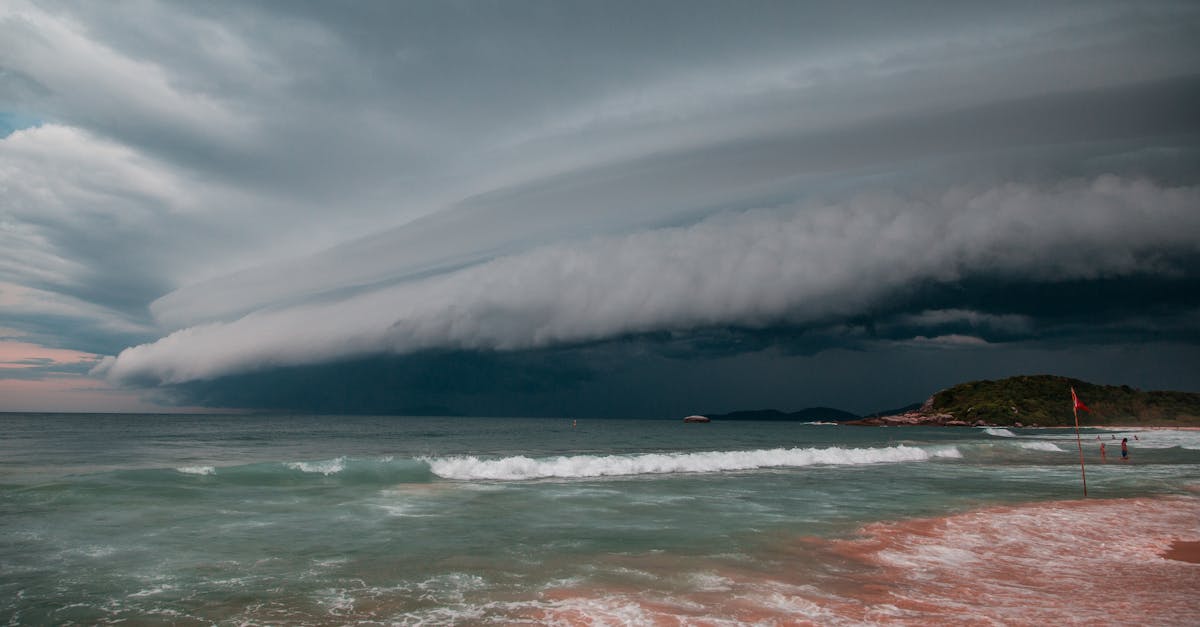
A potent kona storm is poised to strike Hawaii from Wednesday, March 12th, through at least Saturday, March 15th, bringing a high probability of severe weather conditions. Forecasters warn of widespread flash flooding, strong and potentially damaging winds, and thunderstorms that could reach severe levels. This rapid onset of hazardous weather necessitates immediate action across all business sectors to safeguard operations, property, and personnel. Failure to prepare by Wednesday could result in significant business interruption, physical damage, and safety risks.
The Change
Starting Wednesday, March 12th, Hawaii can expect a significant shift in weather patterns characterized by a powerful kona storm. This system is predicted to bring several days of unstable conditions, including heavy rainfall leading to flash flood watches and warnings, sustained high winds that could exceed 40-60 mph in gusts, and the possibility of severe thunderstorms. The duration of this severe weather is projected to extend through Saturday, March 15th, with potential lingering impacts. The combination of these factors creates a high-risk environment for infrastructure, transportation, and daily business operations.
Who's Affected
Small Business Operators (small-operator):
- Operational Disruptions: Expect mandatory or voluntary closures due to unsafe travel conditions, power outages, and local flooding. This could lead to lost revenue and potential spoilage of perishable goods, particularly for restaurants and food retailers.
- Staffing Challenges: Employees may be unable to travel to work safely. Businesses should have contingency plans for essential staffing and communication.
- Property Damage: Flooding in low-lying areas, wind damage to signs, roofs, and outdoor equipment are significant risks. Small business owners should secure property and, if applicable, move inventory to higher ground or protected areas.
- Supply Chain Interruptions: Road closures and port delays due to severe weather can halt incoming supplies and outgoing products.
Real Estate Owners (real-estate):
- Flood Damage: Coastal and low-lying properties are at high risk for significant water damage. Owners should ensure drainage systems are clear and take steps to protect ground-floor units and sensitive infrastructure.
- Wind Damage: Loose fixtures, roofing materials, and landscaping can become projectiles. Inspections and securing of property are critical.
- Insurance Claims: Be prepared for a potential surge in insurance claims. Document existing conditions and storm impacts thoroughly.
- Tenant Safety & Communication: Property managers must communicate emergency protocols to tenants and ensure common areas are safe.
Tourism Operators (tourism-operator):
- Flight & Travel Disruptions: Airlines will likely experience delays and cancellations, impacting arrivals and departures. This will lead to booking cancellations and rebookings.
- Tour Cancellations: Outdoor tours, boat excursions, and hiking activities will likely be cancelled due to safety concerns and hazardous conditions. Have flexible rebooking policies.
- Guest Safety: Hotels and lodging providers must ensure guest safety, communicate storm risks, and provide clear emergency procedures. Consider offering flexible check-out or extended stays for stranded guests.
- Reputational Risk: Inconsistent customer service due to weather can negatively impact online reviews and future bookings.
Agriculture & Food Producers (agriculture):
- Crop Damage: Heavy rainfall can lead to waterlogged fields, root rot, and physical damage to crops. Wind can strip fruit, damage plants, and flatten fields.
- Livestock Risk: Farmers need to ensure livestock have shelter from wind and rain and access to safe feeding areas. Consider moving animals from flood-prone pastures.
- Infrastructure Damage: Irrigation systems, greenhouses, and farm outbuildings are vulnerable to wind and flood damage.
- Transportation & Export Delays: Roads may become impassable, delaying produce transport to markets or ports. This is particularly critical for perishable goods.
Healthcare Providers (healthcare):
- Staffing Shortages: Essential healthcare workers may face difficulties reaching facilities. Implement robust emergency staffing plans and consider arrangements for staff to shelter in place if feasible.
- Patient Access: Patients may be unable to reach clinics or hospitals. Telehealth services should be prioritized and expanded where possible.
- Facility Preparedness: Hospitals and clinics must ensure backup power systems are operational, secure external equipment, and clear drainage to prevent flooding.
- Supply Chain Issues: Medical supply deliveries could be delayed.
Second-Order Effects
This period of severe weather, even if brief, amplifies Hawaii's existing logistical challenges. Widespread transportation disruptions during the storm (flash flooding, high winds) will likely lead to significant delays in the interisland freight system. Once goods are unloaded at ports or airports, impacts on local road networks will further slow distribution to businesses and consumers. This can result in temporary shortages of essential goods, including food and medical supplies, and increase prices for remaining inventory due to demand spikes and resupply costs, thus raising the cost of living and doing business for an extended period.
What to Do
All Impacted Roles:
- Develop/Review Emergency Plans: If you don't have a storm preparedness plan, create one immediately. If you do, review and update it. This should include communication protocols, evacuation routes, securing of property, and contingency staffing. See FEMA's Small Business Preparedness Guide.
- Secure Property: Inspect buildings, outdoor equipment, signage, and landscaping. Secure or bring indoors anything that could be damaged or become a hazard.
- Communicate with Stakeholders: Notify employees, customers, tenants, and suppliers about potential closures, service disruptions, and safety measures.
- Monitor Official Alerts: Stay informed by following the National Weather Service Honolulu and Hawaii Emergency Management Agency (HI-EMA). National Weather Service Honolulu
Small Business Operators (small-operator):
- Wednesday Deadline: Before Wednesday, March 12th, implement your plan. This includes communicating operational changes to staff and customers, securing inventory, and preparing for potential power outages.
- Action: Review and execute your emergency preparedness plan. Consider pre-ordering essential supplies and securing any outdoor seating or displays.
Real Estate Owners (real-estate):
- Wednesday Deadline: By Wednesday, March 12th, ensure all properties have clear drainage paths and that loose exterior items are secured. Brief property managers on communication protocols.
- Action: Inspect properties for vulnerabilities, clear storm drains, and communicate with tenants regarding safety measures and emergency contacts.
Tourism Operators (tourism-operator):
- Wednesday Deadline: By Wednesday, March 12th, update clients on potential travel disruptions and review cancellation/rebooking policies. Brief staff on emergency procedures.
- Action: Proactively contact guests with upcoming reservations to inform them of potential weather impacts and offer flexible rebooking options. Prepare to manage guest inquiries and safety protocols during the event.
Agriculture & Food Producers (agriculture):
- Tuesday Deadline: By Tuesday, March 11th, take all necessary steps to protect crops, livestock, and farm infrastructure. Secure sensitive equipment and prepare for transportation delays.
- Action: Move vulnerable livestock to shelter, consider harvesting any mature crops that could be damaged, and ensure irrigation systems are not overloaded or compromised.
Healthcare Providers (healthcare):
- Tuesday Deadline: By Tuesday, March 11th, ensure emergency staffing plans are activated, backup power systems are tested, and telehealth capabilities are maximized. Secure any external medical equipment.
- Action: Confirm essential staff availability and communication channels. Prepare for increased demand on telehealth services and potential facility access issues for patients and staff.
Action Details:
All Hawaii businesses should finalize and implement their storm preparedness plans by Wednesday, March 12th. This includes securing physical property against wind and rain damage, ensuring staff safety and communication channels are robust, and preparing for potential operational disruptions such as power outages and transportation delays. Failure to act before Wednesday risks significant property damage, lost revenue, and compromised safety for employees and patrons.


