The Change
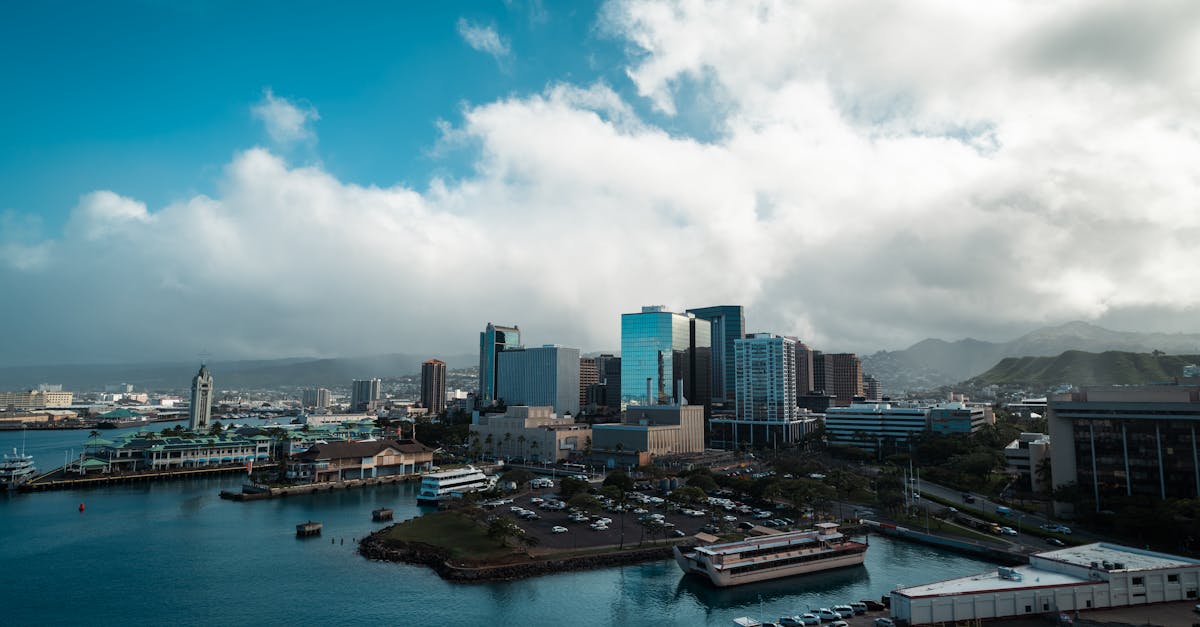
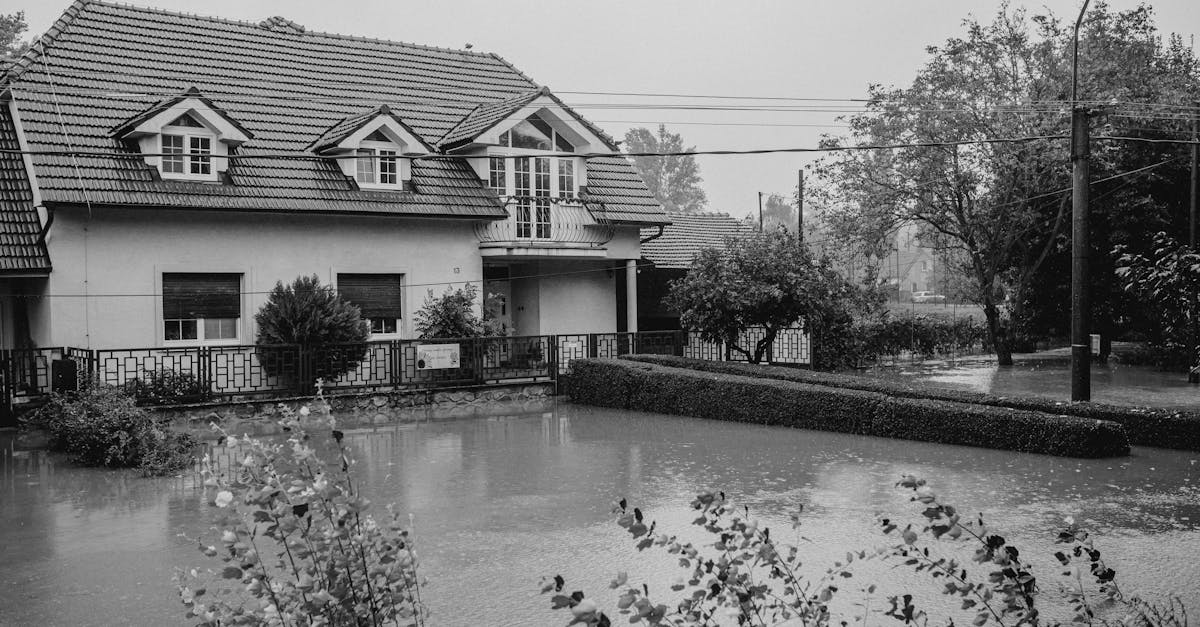
As weather systems approach Hawaii, authorities are issuing urgent advisories for heightened preparedness. Utility services and transportation infrastructure are bracing for potential impacts. The primary focus is on preventing water damage to properties and ensuring swift response capabilities. Residents and businesses are strongly advised to implement preventative measures immediately to safeguard against potential flooding and storm-related disruptions.
Who's Affected
Small Business Operators: Businesses, especially those in low-lying or flood-prone areas, face immediate risks of property damage and operational downtime. This could translate into lost revenue, increased repair costs, and potential supply chain disruptions. Retailers and restaurants need to secure inventory, protect storefronts, and consider contingency plans for power outages or access issues.
Real Estate Owners: Property owners, landlords, and property managers must act swiftly to protect their investments. Unaddressed vulnerabilities like clogged gutters or poorly secured structures can lead to significant water damage, mold, and costly repairs. This also impacts tenant relations and potential vacancy periods. Commercial property owners should also be aware of potential impacts on their tenants' operations.
Tourism Operators: Hotels, vacation rentals, and tour operations are particularly vulnerable. Flood damage can render properties unusable, leading to cancellations and a blow to the visitor experience. Disrupted transportation due to severe weather can also impact arrival and departure logistics, affecting bookings and revenue. Protecting guest safety and ensuring continuity of services are paramount.
Second-Order Effects
- Property Damage → Increased Insurance Claims: Widespread property damage from flooding will strain insurance providers, potentially leading to higher premiums for all policyholders in affected areas in the future.
- Business Disruption → Reduced Local Spending: Businesses forced to close or operate at reduced capacity will lead to decreased consumer spending, impacting the broader local economy and potentially reducing demand for services.
- Infrastructure Strain → Extended Service Outages: If critical infrastructure like power grids or communication networks are damaged, it can lead to prolonged service outages, exacerbating business disruptions and impacting the visitor experience.
What to Do
Proactive measures are critical in the immediate window before severe weather impacts the islands. Ignoring these preparations increases the likelihood of significant financial losses and operational downtime.
For Small Business Operators:
- Clear Gutters and Drainage: Ensure all gutters, downspouts, and storm drains around your property are free of debris. This is a crucial first step to prevent water accumulation and overflow into your premises. Allow at least 24-48 hours prior to expected landfall for thorough cleaning.
- Secure Outdoor Property: Store or secure outdoor furniture, signage, and any loose items that could become projectiles in high winds or floodwaters. This also includes movable barriers or equipment.
- Inventory Protection: For retail and food service businesses, elevate inventory and sensitive equipment away from potential flood levels. Use waterproof coverings if necessary. This should be completed immediately.
- Contingency Planning: Review and enact any pre-existing business continuity plans. This includes communication protocols for staff, alternative operational sites if feasible, and plans for managing customer communications regarding potential disruptions.
- Monitor Local Updates: Stay informed through official channels for emergency management advisories, road closures, and utility outage information. Check local news and government advisories at least twice daily.
For Real Estate Owners:
- Property Inspection and Maintenance: Conduct an immediate inspection of all properties for potential weak points. Clear gutters, check roof integrity, and ensure secure closures for windows and doors. Pay special attention to basements, lower floors, and any areas known to be susceptible to water ingress.
- Tenant Communication: Inform tenants of the impending weather and advise them on necessary preparations. Provide clear guidelines on what they should do and who to contact for urgent issues. Ensure emergency contact information is up-to-date.
- Secure Landscaping: Trim trees and secure any outdoor structures that could pose a hazard during high winds or heavy rain.
- Insurance Review: While it may be too late to adjust a policy for this specific event, review your insurance coverage for flood and wind damage to understand your protection level for future events.
For Tourism Operators:
- Guest Safety and Communication: Prioritize guest safety. Inform guests of the weather situation and provide clear instructions on safety procedures and emergency contacts within the property. Prepare a communication plan for potential cancellations or service disruptions.
- Property Protection: Implement all the same measures as described for Small Business Operators and Real Estate Owners regarding property security and flood prevention, with an added focus on guest-facing areas and amenities.
- Operational Adjustments: Be prepared to adjust tour schedules, transportation arrangements, and other guest services based on weather advisories and safety concerns. Monitor airline and inter-island ferry status in real-time.
- Staff Preparedness: Ensure your staff are informed, trained on emergency procedures, and have a plan for their own safety and ability to report to work if conditions permit.