


Increased Ancillary Fees on Hawaii Flights Could Raise Travel Budgets by 10-15%
Executive Brief
Airlines are increasingly monetizing every aspect of air travel, leading to potentially higher and more unpredictable travel expenses for those flying to and from Hawaii. Tourism operators and remote workers, in particular, need to re-evaluate their travel budgeting and pricing strategies.
- Tourism Operators: Potential increase in visitor travel costs impacting overall trip affordability and requiring adjustments to package pricing.
- Remote Workers: Mainland travel expenses for connectivity or personal visits may rise unpredictably.
- Small Business Operators: Business travel to the mainland or for inter-island coordination could become more costly.
- Action: Monitor airline pricing trends and revise travel expense forecasts.
The Change
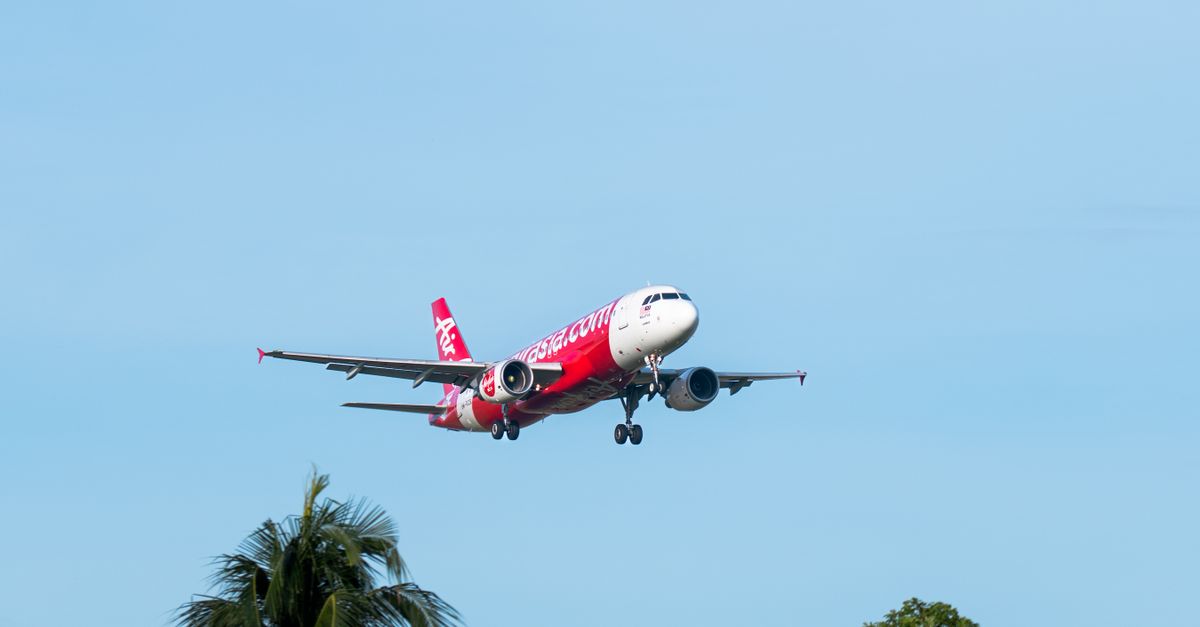
Recent observations indicate a significant shift in airline revenue strategies, with virtually every "inch of Hawaii flights" now carrying an associated cost or a loyalty program enticement. This new model, observed on a brand-new aircraft, signifies a move towards unbundling traditional fares and charging for previously standard amenities, seat preferences, and even basic services. While the exact effective date is fluid as airlines roll out these changes across their fleets, the trend is clearly established and operational.
This monetization extends beyond traditional seat pricing to include premium seat selection, early boarding, in-flight entertainment, checked baggage, and potentially even in-flight refreshments. Airlines are leveraging loyalty programs to encourage spending, but for the unaligned traveler or business, this translates to a less predictable and potentially higher overall travel cost.
Who's Affected
-
Tourism Operators: For hotels, tour companies, and vacation rental businesses, this means that the cost of their customers reaching Hawaii could increase. Visitors may face sticker shock not just on the base airfare but on the cumulative cost of all ancillary fees. This could impact booking decisions, potentially leading to a slight decrease in visitor numbers or a shift towards less integrated travel packages if the perceived value diminishes. Operators who offer bundled packages will need to factor these rising costs into their pricing models or absorb them, impacting margins.
-
Remote Workers: For digital nomads or employees working remotely from Hawaii, the cost of traveling back to the mainland or to other destinations will likely increase. This impacts their ability to maintain connections with mainland family, attend in-person meetings, or even take essential business trips without incurring higher-than-anticipated expenses. This could subtly affect the cost-of-living calculation for remote workers considering Hawaii.
-
Small Business Operators: Businesses that require employees to travel, whether for supplier meetings, trade shows, or inter-island coordination (though this article focuses on mainland travel), will see their travel budgets strained. The unpredictability of ancillary fees makes precise budgeting challenging. Businesses relying on frequent travel will need to adopt more stringent travel policies and explore alternative booking strategies.
Second-Order Effects
This increased monetization of air travel has several potential ripple effects within Hawaii's unique economic structure:
- Higher Visitor Travel Costs → Reduced Visitor Spending on Local Goods & Services: If visitors spend a larger portion of their travel budget on flights and associated fees, they may have less discretionary income to spend on local activities, dining, and retail, impacting small business revenue.
- Increased Business Travel Costs → Pressure on Margins for Local Businesses: For businesses that need to travel, higher costs directly reduce profitability or necessitate price increases for their own services, potentially making them less competitive.
- Erosion of Perceived Value → Shift in Visitor Demographics: If Hawaii travel becomes perceived as significantly more expensive due to unbundled flight costs, it could deter budget-conscious travelers, potentially shifting the tourism demographic towards higher-spending segments or reducing overall visitor volume.
What to Do
Action Level: WATCH
Tourism Operators
- Monitor: Keep a close eye on competitor pricing for flight-inclusive packages and analyze traveler feedback regarding airfare costs. Track average visitor expenditure data for any noticeable shifts.
- Trigger Condition: If a sustained 10-15% increase in total air travel costs (base fare + ancillaries) for key feeder markets becomes evident, and visitor feedback indicates this is a barrier to booking, then re-evaluate pricing for packages and consider offering more flexible booking options.
Remote Workers
- Monitor: Observe prevalent ancillary fee structures and average total flight costs for typical mainland routes (e.g., HNL-LAX, HNL-SEA). Pay attention to loyalty program benefits and their actual value proposition.
- Trigger Condition: If your personal travel costs to and from the mainland consistently exceed your budgeted amount by more than 10% over two consecutive reporting periods (e.g., quarterly), then adjust your personal budget accordingly or explore alternative travel dates/airlines with potentially more traveler-friendly fee structures.
Small Business Operators
- Monitor: Regularly review your company's travel expenditure reports. Compare actual costs against budget, specifically noting the impact of ancillary fees.
- Trigger Condition: If business travel expenses, driven largely by ancillary fees, consistently exceed budget by 10% or more for two consecutive quarters, implement stricter travel policies (e.g., mandating specific fare classes, booking windows) and negotiate corporate travel agreements if volume supports it.
Action Details
Monitor the total cost of flights to and from Hawaii, encompassing base fares plus all common ancillary fees (seat selection, baggage, priority boarding). If these total costs show a sustained increase of 10-15% over a six-month period, and industry reports indicate this is impacting booking volumes or traveler satisfaction, then revise your budgeting models and explore strategies to mitigate these rising expenses, such as booking further in advance or negotiating group rates where applicable.


