


The Change
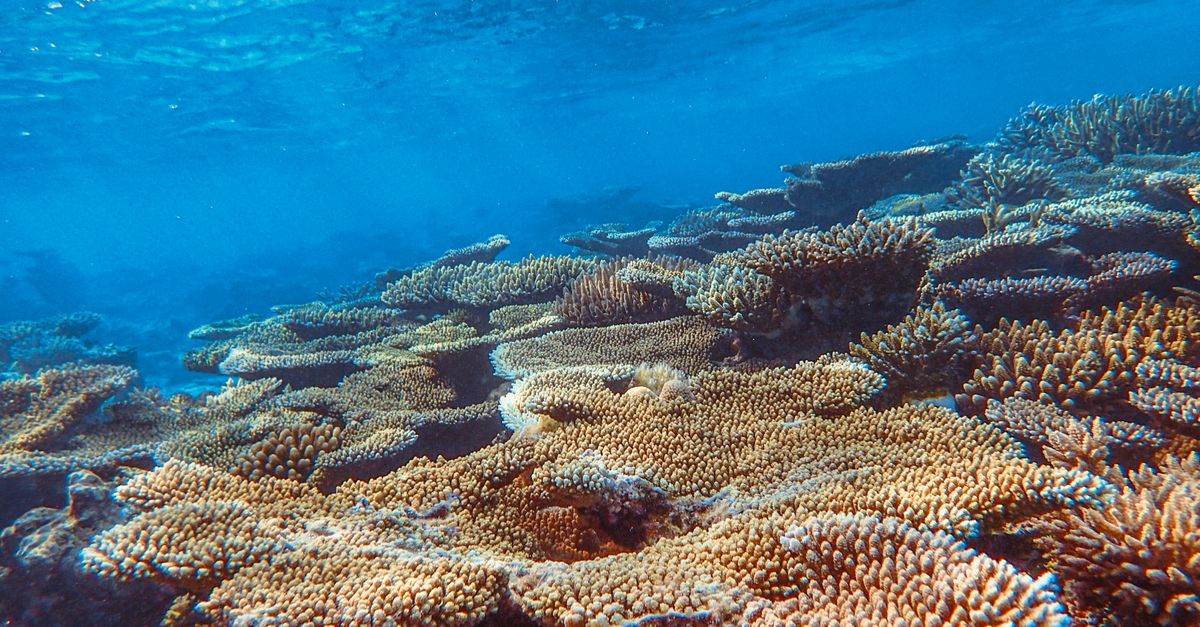
The Hawaiʻi Department of Land and Natural Resources (DLNR) and the Hawaiʻi Tourism Authority (HTA) have launched a collaborative coral restoration initiative at the Kewalo site on Oʻahu. This project, building on previous efforts by the Division of Aquatic Resources (DAR) and Kuleana Coral Restoration following anchor damage in 2024, aims to revive damaged coral reefs. Beyond the ecological goals, the initiative is designed to create new educational experiences for recreational divers and tour operators, indicating a strategic investment in the health of Hawaii's marine environment and its associated tourism appeal. This marks an acceleration in coordinated public-private efforts towards significant reef repair and conservation.
Who's Affected
Tourism Operators
This initiative could present new opportunities for tourism operators, particularly those focused on marine activities and eco-tourism. The creation of educational experiences around coral restoration could lead to new tour packages or enhanced dive experiences. However, there is a potential risk that successful restoration efforts might lead to stricter regulations or temporary closures of marine areas undergoing rehabilitation, impacting dive sites or boating access. Operators should be aware of the potential for increased focus on sustainable tourism practices and how these restoration projects might influence future management of nearshore waters.
Real Estate Owners
For real estate owners, especially those with coastal properties or development interests, this increased focus on coral reef health has long-term implications. As the state and tourism bodies invest more in marine ecosystem resilience, future coastal development may face more stringent environmental impact assessments and permitting processes. Proactive engagement with conservation initiatives or understanding the ecological value of adjacent marine resources could become increasingly important for property value and development feasibility. This trend suggests a growing emphasis on environmental stewardship in coastal land use planning.
Second-Order Effects
This concentrated effort on coral restoration, driven by both ecological necessity and tourism appeal, could cascade through Hawaii's economy. Enhanced coral health directly supports marine biodiversity, which is a cornerstone of the state's tourism product. As reefs stabilize and improve, it could lead to increased appeal for dive and snorkel tourism. This, in turn, may drive demand for accommodations and hospitality services. However, successful restoration projects can also lead to designations of enhanced marine protection zones, potentially limiting certain commercial activities like fishing or unrestricted boating in those areas, thereby impacting specific maritime businesses. Furthermore, a stronger emphasis on environmental protection can influence land-use planning and development permits for coastal properties, potentially increasing compliance costs for real estate owners.
What to Do
Tourism Operators
Monitor: Track the progress and expansion of this and similar coral restoration projects across the islands, particularly Oʻahu. Pay attention to any new partnerships or educational programs announced by HTA and DLNR that could be integrated into your offerings. Look for any announcements regarding potential changes to marine access or designated activity zones in restored areas.
Trigger: If specific restoration sites begin to attract significant public interest or require restricted access for rehabilitation, evaluate how this might affect existing tour routes or popular dive spots. Proactively explore partnerships with conservation groups involved in restoration for potential future eco-tourism ventures.
Real Estate Owners
Monitor: Stay informed about the long-term goals and outcomes of this Oʻahu initiative. Observe any policy shifts at the state or county level related to coastal development permits that prioritize or are influenced by marine ecosystem health. Track the success of the Kewalo site and similar projects as indicators of future environmental regulatory trends.
Trigger: If regulatory bodies begin to more heavily incorporate coral reef health into environmental impact statements or coastal zone management plans for new development, factor longer permitting timelines and enhanced environmental compliance costs into your project planning.


