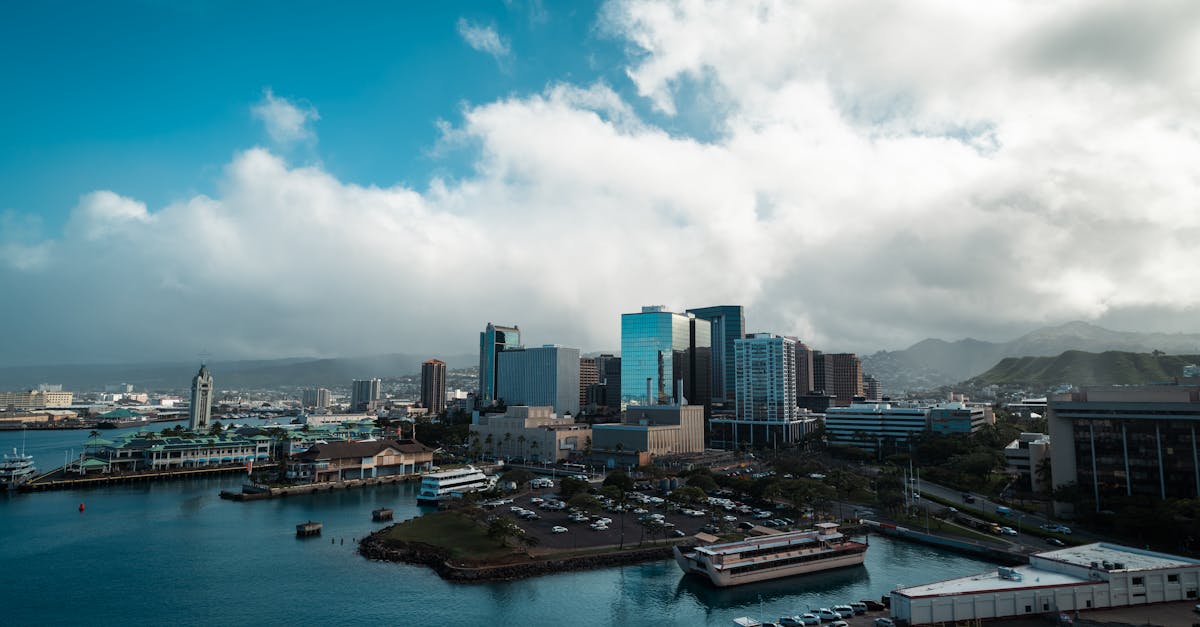
Hawaii is poised for an active year in its creative economy, with a robust slate of film and television productions confirmed for filming across the islands. This includes new comedy series, an upcoming season of a supernatural drama, and the next installment of a well-established franchise. This increased production activity directly translates to heightened demand for a wide range of local services, specialized labor, and supporting infrastructure.
The Change
As of March 2026, Hawaii's Department of Business, Economic Development & Tourism (DBEDT) has highlighted a dynamic production landscape. Multiple projects are set to commence or continue principal photography on the islands. These productions leverage Hawaii's diverse locations and the state's incentive programs, signaling a sustained period of activity for the local film and creative industries. This influx is expected to generate significant economic impact through direct spending on local goods and services, as well as employment of a skilled local workforce.
Who's Affected
Entrepreneurs & Startups: Founders of companies providing specialized services such as equipment rental, prop fabrication, catering, logistics, post-production, or digital asset management will see increased opportunities. Startups focused on talent scouting, crew management platforms, or sustainable production solutions may find a receptive market. The challenge will be scaling rapidly to meet demand and potentially securing contracts before larger, established players.
Tourism Operators: Hotels and short-term rental providers, particularly on islands hosting major productions, can anticipate increased occupancy from cast and crew. Airlines may see adjustments in flight patterns to accommodate inbound talent. Ancillary services catering to visitors, such as restaurants and tour operators, could experience a bump in business from individuals associated with these productions.
Small Business Operators: Businesses supplying goods and services to the production industry—from catering and logistics to construction and general supplies—will likely experience a surge in demand. Retail and food service establishments in production hubs may see increased foot traffic. Labor-intensive service businesses might face new staffing challenges if the demand for their services competes with opportunities within the production sector.
Real Estate Owners: The demand for suitable production spaces, including soundstages, backlots, and office facilities, is expected to rise. Property owners with facilities that can be adapted for production needs, or those located near production sites, may find increased leasing opportunities. This could also extend to demand for residential properties for cast and crew lodging.
Investors: Venture capital firms, angel investors, and portfolio managers should monitor companies within Hawaii's creative and production support ecosystem. The sustained activity suggests potential for significant revenue growth for businesses that can effectively service these productions. This may include companies involved in technology for production, sustainability solutions for filming, or specialized labor recruitment.
Second-Order Effects
Increased film production activity will drive demand for labor, potentially straining existing workforces across multiple sectors. This competition for skilled and unskilled labor could lead to rising wage pressures not only within the direct production workforce but also in hospitality and service industries. Higher labor costs for businesses not directly involved in production could squeeze margins, potentially impacting consumer prices. Furthermore, the demand for specific real estate, such as studio space, could limit availability for other commercial or residential uses, driving up rental rates in certain areas.
What to Do
Entrepreneurs & Startups: Assess your capacity to scale services that directly support film and television production. Proactively reach out to production companies and the Hawaii Film Office to understand their upcoming needs. Consider partnerships to offer comprehensive solutions.
Tourism Operators: Review your property's availability and pricing for potential bookings from production companies. Align with local film commissions and production scouts to be on their radar for accommodations.
Small Business Operators: Anticipate increased inbound demand for your products and services. Evaluate your supply chain and staffing levels to ensure you can meet potentially higher order volumes. For restaurants and retail, consider promotions targeting production crews.
Real Estate Owners: Explore opportunities to adapt or market properties for production use. Engage with real estate professionals specializing in commercial and industrial leasing to understand the specific requirements of the film industry.
Investors: Research Hawaii-based companies that provide essential services to the film and television production sector. Look for businesses demonstrating scalability and strong relationships with production entities.
All Affected Roles: Monitor the Hawaii Film Office's public announcements for future project slates and production timelines. Stay attuned to local economic indicators related to employment and resource availability. Consider networking events hosted by industry associations to stay informed and make connections. The window to align business strategies with this production surge is open now, with peak activity expected over the next 12-18 months.