


Increased Hurricane Risk Elevates Business Continuity & Insurance Costs for Hawaii Operators
Executive Brief
Hawaii faces a significantly elevated probability of an active hurricane season, intensifying risks for business operations, supply chains, and insurance premiums. Proactive disaster preparedness and insurance reviews are critical for all sectors. Operators should finalize contingency plans before August 1st.
- Tourism Operators: Potential for cancellations, infrastructure damage, and increased insurance premiums.
- Small Business Operators: Disruption to supply chains, physical damage to property, and increased operational costs.
- Real Estate Owners: Risk of property damage, potential business interruption for tenants, and higher insurance.
- Agriculture & Food Producers: Crop damage, loss of livestock, and disruption to export logistics.
- Healthcare Providers: Strain on facilities, potential power outages, and increased demand.
The Change: Elevated Hurricane Season Forecast
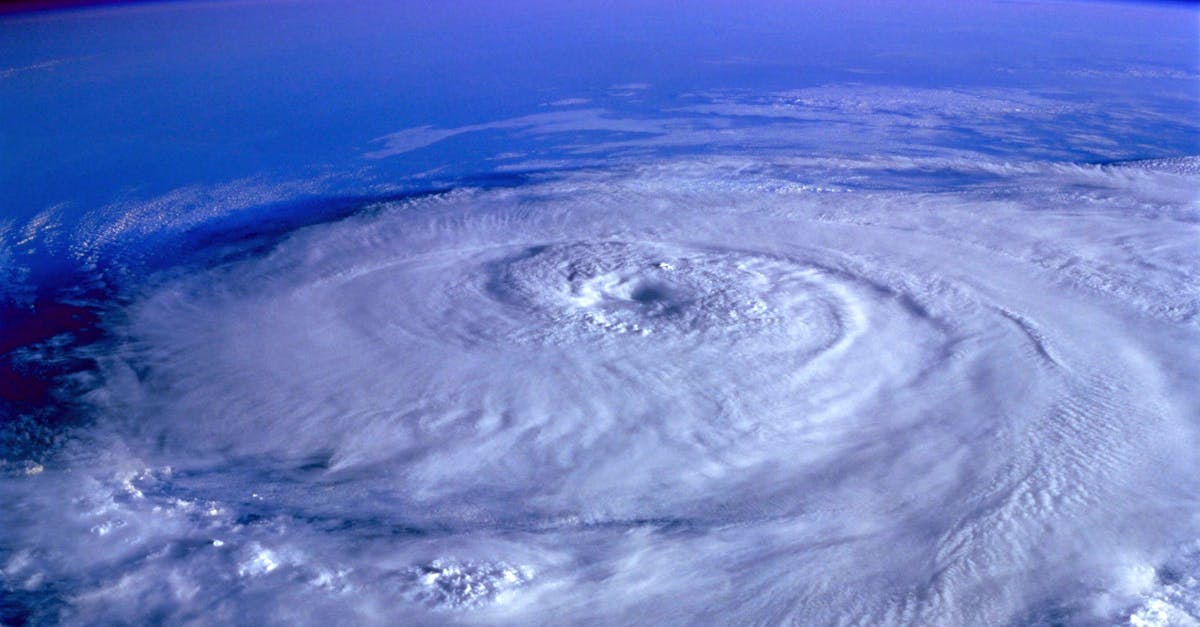
Forecasters from the National Weather Service (NWS) have maintained their prediction of a potentially very busy hurricane season for Hawaii. The convergence of Pacific Ocean climate patterns, including a developing La Niña and warmer-than-average sea surface temperatures, significantly increases the likelihood of tropical storm and hurricane development and track towards the Hawaiian Islands. While specific storm paths cannot be predicted this far in advance, the increased probability means businesses must operate under the assumption of a higher-than-normal risk of impactful weather events.
Who's Affected
This elevated risk demands immediate attention from all sectors of Hawaii's economy:
Tourism Operators
Hotels, tour companies, vacation rental agencies, and other hospitality businesses are directly exposed to potential storm impacts. A busy hurricane season can lead to flight cancellations, reduced visitor bookings due to safety concerns, and direct damage to infrastructure. Cancellation policies will be tested, and the cost of business interruption insurance is likely to rise. Implication: Increased operational risk, potential revenue loss from cancellations, and higher insurance premiums.
Small Business Operators
Beyond tourism, retail shops, restaurants, service providers, and local franchises face significant threats. Supply chain disruptions are a major concern, given Hawaii's reliance on imported goods. Physical damage to storefronts, inventory, and equipment is also a primary risk. Further, extended power outages can cripple businesses that rely on electricity for operations and sales.
Implication: Increased costs for repairs and inventory replenishment, potential loss of revenue due to closures and supply chain failures, and higher insurance deductibles/premiums.
Real Estate Owners
Property owners, developers, and landlords must consider the risk of storm damage to their assets. This includes residential and commercial properties. Beyond direct damage, business interruption for tenants can lead to lost rental income. Insurance costs for properties in Hawaii are already high and are expected to increase in response to heightened seasonal forecasts.
Implication: Increased property insurance premiums, potential costs for repairs and retrofitting, and risk of reduced rental income.
Agriculture & Food Producers
Farmers, ranchers, and aquaculture operations are particularly vulnerable to the direct impacts of high winds and heavy rainfall. This can lead to crop destruction, loss of livestock, and damage to processing facilities. Disruptions to inter-island and mainland shipping due to storms can also impact the timely delivery of goods and acquisition of necessary supplies.
Implication: Significant risk of crop and livestock loss, disruption to market access, and increased operational costs for recovery.
Healthcare Providers
Clinics, private practices, and hospitals must prepare for increased demand and potential disruptions. Power outages can affect critical medical equipment, and damage to facilities could limit access to care. Emergency services will likely be strained. Telehealth services may see increased usage but also face challenges with connectivity during severe weather.
Implication: Strain on resources, potential for facility damage, and increased demand for services.


