


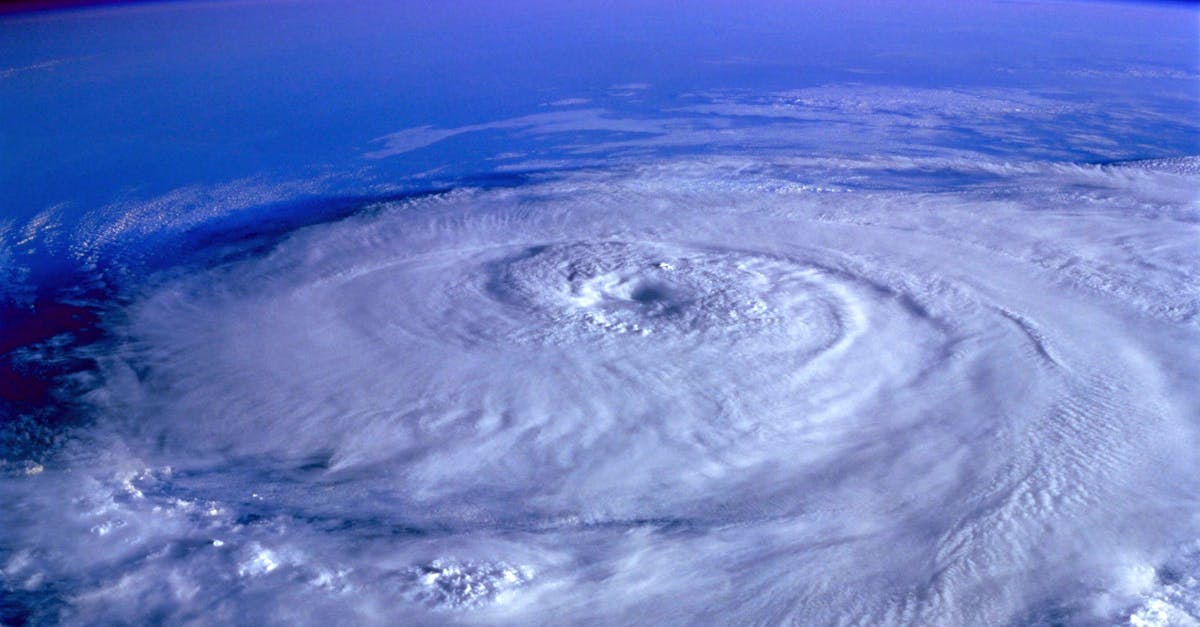
Increased Hurricane Risk: Prepare for Potential Disruptions to Hawaii Operations June-November
Executive Brief
Forecasters predict a 70% chance of an above-normal hurricane season in the Central Pacific from June 1 to November 30, increasing the likelihood of severe weather impacts. Businesses must implement proactive mitigation and contingency plans to safeguard operations, infrastructure, and supply chains against potential storm disruptions.
- Small Business Operators: Face potential supply chain disruptions, increased insurance costs, and temporary closures.
- Real Estate Owners: Must ensure property resilience and review insurance coverage for storm damage.
- Tourism Operators: Risk cancellations, reduced visitor numbers, and damage to coastal properties.
- Agriculture & Food Producers: Are exposed to crop damage, livestock loss, and transportation delays.
- Action: If you are a business owner, review your hurricane preparedness plan and update it by May 31.
The Change
NOAA's Central Pacific Hurricane Center has issued an outlook for the 2026 season, running officially from June 1 to November 30, indicating a heightened probability of tropical cyclone activity. Forecasters estimate a 70% chance of an above-normal season, with predictions ranging from 5 to 13 tropical cyclones (including hurricanes, tropical storms, and tropical depressions) within the Central Pacific basin. This prediction is based on prevailing climate conditions, including the anticipated transition from El Niño to La Niña, which typically leads to warmer sea surface temperatures and reduced wind shear in the region, conducive to storm development.
Who's Affected
Small Business Operators
Businesses, particularly those with physical storefronts or relying on consistent supply chains, face elevated risks. An above-normal season means a higher probability of direct impacts from storms, including severe weather, power outages, and potential flooding. This can lead to costly business interruptions, necessitating temporary closures, reduced staffing, and potential damage to inventory and equipment. Increased operational costs may arise from securing supplies, implementing temporary protective measures, and increased insurance premiums. Owners should review their business continuity plans, update emergency contact lists, and ensure adequate inventory of essential supplies.
Real Estate Owners
Property owners, developers, and landlords need to prioritize structural integrity and risk assessment. Coastal properties and those in flood-prone areas are at increased risk of damage from storm surge, heavy rainfall, and high winds. This necessitates proactive maintenance, such as reinforcing roofs, ensuring proper drainage, and trimming trees that could pose a hazard. Property managers should also ensure that tenant communication protocols are up-to-date and that emergency procedures are clearly communicated. Reviewing insurance policies for adequate coverage against storm-related damages and understanding deductible implications are critical. Developers should factor potential construction delays and material cost escalations into project timelines and budgets.
Tourism Operators
The tourism sector is particularly vulnerable to hurricane activity. Hotels, vacation rental agencies, and tour operators can anticipate a higher likelihood of booking cancellations due to traveler advisories or direct storm impacts. Damage to infrastructure, such as airports, roads, and visitor attractions, can lead to prolonged operational disruptions. Coastal resorts and businesses operating on or near the water must be prepared for potential damage from storm surge and wave action. Proactive communication with guests, flexible rebooking policies, and robust property protection measures are essential. Marketing strategies may need to be adjusted to account for potential downturns in visitor confidence during the heightened risk period.
Agriculture & Food Producers
Hawaii's agricultural sector faces significant risks from tropical cyclones. Farmers and food producers are exposed to crop damage from high winds, heavy rainfall, and flooding. Livestock can be directly threatened, and infrastructure like irrigation systems, barns, and processing facilities may sustain damage. Disruption to transportation networks, including inter-island shipping and air cargo, can impede the timely delivery of produce to markets and the import of necessary supplies. Operations relying on specific water sources may face issues related to rainfall intensity or drought conditions preceding or following storms. Producers should secure facilities, reinforce irrigation systems, and consider diversifying crops or planting more resilient varieties where feasible.
Second-Order Effects
An above-normal hurricane season exacerbates existing supply chain vulnerabilities in Hawaii's isolated economy. Increased demand for essential supplies like plywood, generators, and bottled water during storm threats can lead to price gouging and shortages. Disrupted shipping routes due to port closures or damaged infrastructure can cause delays in the arrival of goods, impacting inventory levels for retail and hospitality businesses. This can lead to increased operating costs for businesses that rely on imports, subsequently affecting consumer prices and contributing to inflationary pressures. For instance, a hurricane impacting shipping could lead to a scarcity of fresh produce, forcing restaurants to seek more expensive, locally sourced alternatives or postpone menu items, ultimately impacting their profit margins and consumer choice. Furthermore, repeated disruptions can strain local emergency response resources and increase demand for rebuilding services, potentially driving up construction costs and labor demand in the recovery phase.
What to Do
Small Business Operators
Action: Review and update your hurricane preparedness and business continuity plan by May 31, 2026. This includes:
- Inventory and Supply Chain Assessment: Identify critical suppliers and assess their vulnerability. Secure alternative suppliers if possible and consider stocking essential supplies for at least two weeks.
- Physical Protection: Evaluate your property for potential wind and water damage risks. Secure loose outdoor items, reinforce windows and doors where necessary, and ensure drainage systems are clear.
- Financial Contingency: Review your insurance policies to ensure adequate coverage for business interruption, property damage, and liability. Understand your deductibles and claim procedures.
- Staff Communication: Establish clear communication channels with employees regarding safety procedures, work status, and potential operational changes. Ensure contact information is up-to-date.
- Technology Backup: Implement or verify data backup systems and consider alternative power sources for critical equipment.
Real Estate Owners
Action: Conduct a property risk assessment and reinforce vulnerable structures by June 15, 2026. Focus on:
- Structural Integrity: Inspect roofs, foundations, and siding for weaknesses. Trim trees with potential to fall on structures. Ensure adequate drainage around the property.
- Flood Mitigation: For properties in flood zones, assess elevation, install flood barriers if necessary, and ensure sump pumps are operational.
- Tenant Preparedness: Provide tenants with emergency preparedness information, including evacuation routes, shelter-in-place advice, and contact information for emergency services and property management.
- Insurance Review: Thoroughly review your property insurance policies to confirm coverage limits, deductibles, and flood/windstorm endorsements. Ensure policy renewals are managed well in advance of the peak season.
Tourism Operators
Action: Update customer communication protocols and cancellation policies by June 1, 2026. Implement the following:
- Dynamic Communication Strategy: Develop clear, proactive communication plans for guests regarding potential weather impacts, including advisories, operational status, and safety measures.
- Flexible Booking Policies: Review and adjust cancellation and rebooking policies to offer flexibility to travelers concerned about hurricane threats. This can mitigate negative reviews and retain future business.
- Property Hardening: Secure outdoor furniture, equipment, and decorations. Ensure access to emergency supplies and backup power for critical systems.
- Staff Training: Conduct emergency preparedness training for staff, covering guest assistance, evacuation procedures, and operational continuity.
Agriculture & Food Producers
Action: Secure agricultural operations and assess critical infrastructure by June 15, 2026. Key steps include:
- Facility Reinforcement: Assess and reinforce greenhouses, barns, and other farm structures against high winds. Secure irrigation equipment and fuel storage.
- Crop Protection: Implement strategies to protect crops, such as windbreaks, cover cropping, or harvesting mature crops early if a significant threat is imminent.
- Livestock Safety: Ensure adequate shelter for livestock and have sufficient feed and water supplies for at least 7-10 days post-storm.
- Transportation & Logistics: Confirm emergency contacts for transport providers and identify alternative logistics plans in case of port or airport closures. Maintain adequate fuel reserves for farm equipment and vehicles.


