


The Change
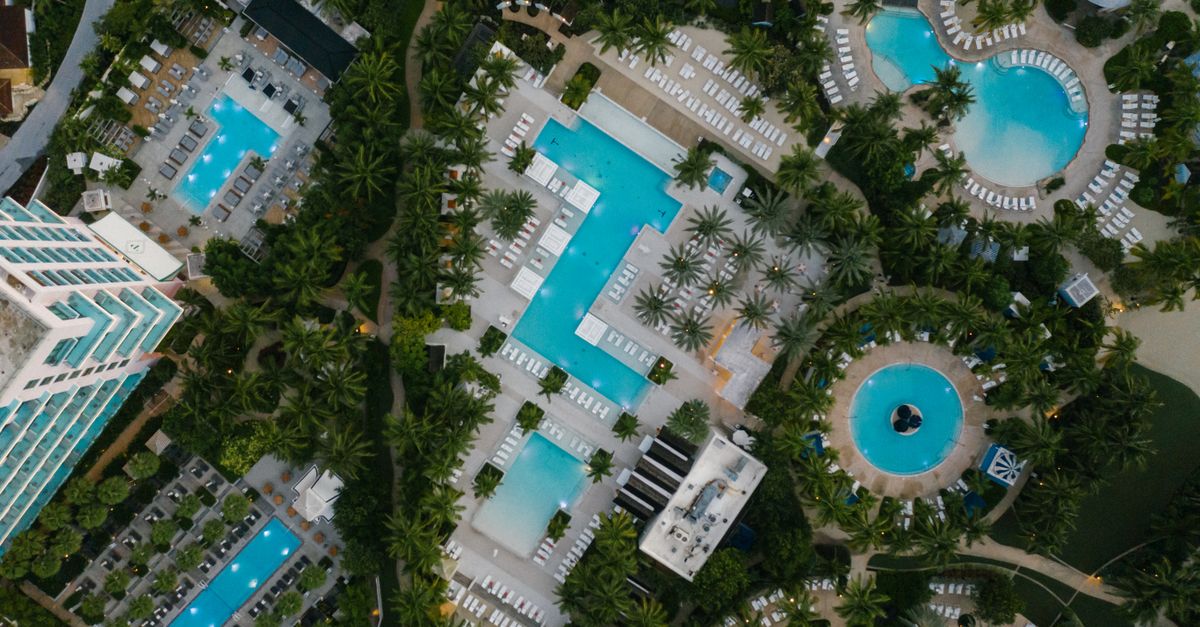
The Royal Lahaina Resort & Bungalows on Kāʻanapali Beach has announced a comprehensive slate of new summer programming. Starting in the summer of 2026, the resort will offer expanded experiences across dining, wellness, entertainment, and cultural activities. This initiative aims to enhance the guest experience and capture a larger share of visitor spending during the peak summer season.
Who's Affected
Tourism Operators
Hotels, vacation rentals, and tour operators in the West Maui region should anticipate potentially increased visitor volume and a greater demand for ancillary services as the Royal Lahaina rolls out its new attractions. This could translate to higher occupancy rates and opportunities for cross-promotion. However, it also suggests a competitive push for visitor attention and dollars. Businesses should review their summer marketing strategies and staffing levels to align with this potential upswing in activity.
Small Business Operators
Restaurants, retail shops, and other service-based businesses in proximity to Kāʻanapali Beach may see an increase in foot traffic and consumer spending. The new resort programming could draw more visitors to the area, creating opportunities for increased sales. Conversely, an influx of visitors could strain existing resources, leading to potential staffing challenges and increased demand on local supply chains. Businesses should gauge the potential impact on their capacity and inventory.
Real Estate Owners
Property owners and landlords in the Kāʻanapali area, particularly those with commercial or short-term rental properties, may observe shifts in rental demand and pricing. Increased resort activity can enhance the desirability of surrounding areas, potentially leading to higher rental yields or increased interest in commercial leases. Owners should monitor local tourism trends and any subsequent changes in property valuation or rental market dynamics.
Second-Order Effects
Expanded resort offerings aim to attract and retain visitors, potentially increasing overall visitor nights and spending. This heightened demand can:
- Increased Visitor Spending → Higher Local Demand for Goods/Services → Potential strain on local supply chains and increased operating costs for small businesses due to higher wholesale prices.
- Increased Visitor Numbers → Greater Pressure on Infrastructure → Potential for increased traffic congestion in popular tourist zones like Kāʻanapali, affecting local commute times and delivery logistics.
- Attract More Visitors → Enhanced Competitiveness of Area → May lead to increased interest in short-term rental investments, potentially tightening long-term housing availability and contributing to rising rental costs for residents.
What to Do
Action Level: WATCH
This development signals a competitive response within the Kāʻanapali tourism sector. While not requiring immediate action, businesses should monitor market conditions closely.
- Tourism Operators: Observe the occupancy rates and booking trends of the Royal Lahaina Resort and similar properties throughout the summer. Track visitor arrival numbers and airline capacity for Maui. If visitor numbers show a sustained increase of 5-10% above seasonal averages, consider adjusting staffing levels and marketing promotions to capture additional demand. Source: Royal Lahaina Resort & Bungalows
- Small Business Operators: Monitor customer traffic and sales volumes in the Kāʻanapali area. If marked increases occur, assess inventory levels and staffing requirements to avoid service disruptions. Consider aligning promotional activities with the resort's summer event calendar. Source: Maui Now
- Real Estate Owners: Keep an eye on local rental market performance for both commercial and residential properties in West Maui. If increased visitor activity leads to higher demand for vacation rentals or commercial spaces, evaluate current lease agreements and market rental rates. Source: Hawaii Tourism Authority
No immediate strategic shifts are mandated, but proactive observation will allow for timely adjustments should visitor trends significantly deviate from current projections.


