


The Change
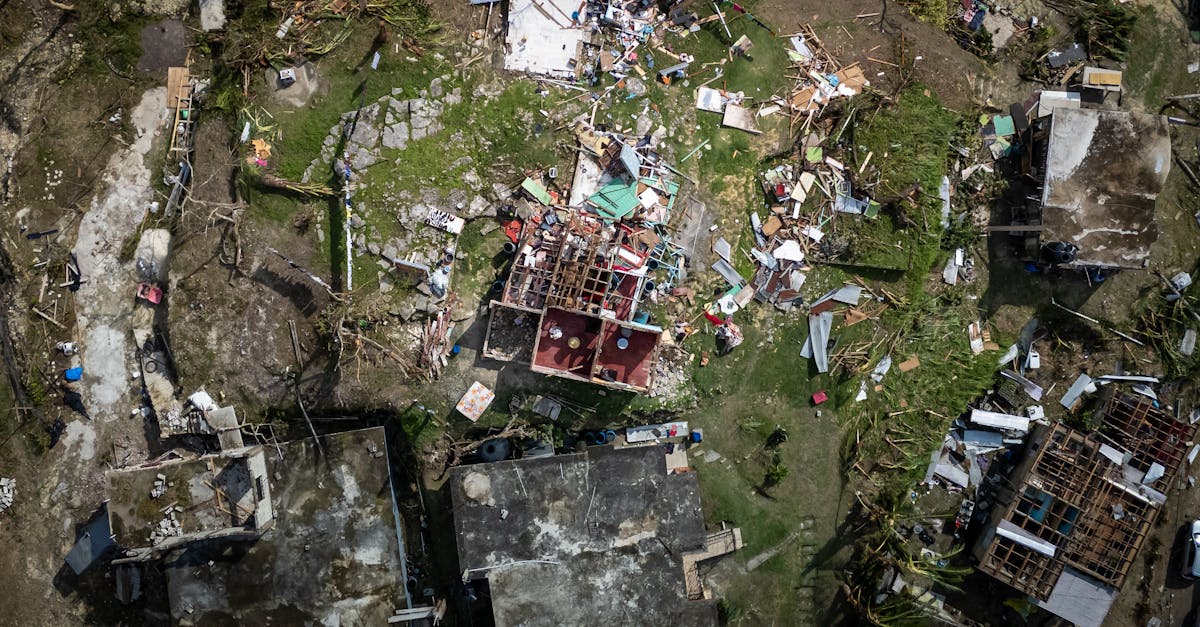
The Hawaii Emergency Management Agency (HIEMA) is actively engaged in comprehensive damage assessments across the islands following recent storm events. Administrator James Barros has explicitly warned of the increased likelihood of future disasters, underscoring the need for continuous evaluation of critical infrastructure resilience. This proactive stance signals an elevated risk environment for businesses operating within the state, suggesting potential for prolonged disruptions and increased operational costs stemming from both immediate damages and the anticipation of future events.
Who's Affected
-
Small Business Operators: Businesses relying on consistent infrastructure (roads, ports) for supply delivery and customer access will face increased risk of disruption. Expect potential delays in receiving goods, increased costs for materials due to damaged transport routes, and longer lead times for necessary repairs or renovations. Businesses in flood-prone or geologically unstable areas should prepare for potential temporary closures.
-
Real Estate Owners: Property owners, developers, and landlords should anticipate the possibility of longer repair timelines for storm-damaged properties, especially where critical infrastructure like roads or utilities are affected. Insurance premiums are likely to trend upward as risk assessments are updated following these events. Development permits in vulnerable areas may face increased scrutiny or delays.
-
Investors: Investors, particularly those with portfolios heavily weighted in Hawaii's hospitality, logistics, or real estate sectors, need to assess their exposure to weather-related risks. The potential for infrastructure damage can impact asset valuations and disrupt business continuity, leading to decreased profitability for affected companies.
-
Tourism Operators: Hotels, rental companies, and tour operators are vulnerable to disruptions caused by damaged infrastructure, particularly if key transportation routes to tourist destinations are impacted. Reduced accessibility could lead to booking cancellations and a decrease in visitor numbers. Furthermore, the increased perceived risk might affect visitor confidence.
-
Agriculture & Food Producers: Farmers and food producers face risks to their crops and infrastructure from storms. Damaged roads and ports can create significant logistical challenges for transporting goods to market, potentially leading to spoilage and lost revenue. Water management systems may also be compromised, impacting irrigation.
-
Healthcare Providers: Clinics and hospitals in affected areas may experience disruptions to operations due to power outages, transportation issues for staff and patients, and damage to facilities. Telehealth services may see increased demand but could also be hampered by localized power or internet connectivity issues related to storm damage.
Second-Order Effects
Ongoing storm damage assessments and warnings of future disasters create a ripple effect through Hawaii's constrained economy. Direct damage to roads and ports can lead to significant delays in the arrival of essential goods, increasing prices across the board for imported materials and consumer products. This inflationary pressure exacerbates the cost of living, which in turn demands higher wages for employees. For small businesses, rising operational costs (materials, energy, labor) can compress already thin margins, potentially leading to reduced service hours or increased prices for consumers, further impacting demand. For real estate, the necessity for more resilient construction and faster repairs could drive up development and renovation costs, impacting housing affordability and commercial lease rates.
What to Do
Small Business Operators: Monitor county and state infrastructure reports for updates on road closures, port statuses, and utility restoration efforts. Diversify supply chain options where possible, and build contingency into inventory levels for critical goods. Consider reviewing business interruption insurance policies for adequacy in the face of increased storm risks.
Real Estate Owners: Stay informed about updated building codes and resilience standards recommended by HIEMA and local county agencies. Proactively assess property vulnerability to severe weather and consider implementing preventative measures. Engage with insurance providers to understand potential changes in coverage and premiums related to increased disaster risk.
Investors: Track reports from HIEMA and infrastructure agencies regarding the state of critical infrastructure on each island. Analyze the resilience of investment portfolios against weather-related disruptions, paying close attention to companies with significant operational footprints in vulnerable areas or reliance on specific transportation nodes.
Tourism Operators: Keep abreast of travel advisories and potential disruptions to transportation infrastructure impacting visitor access. Maintain transparent communication with potential and confirmed guests regarding any operational changes or delays.
Agriculture & Food Producers: Regularly assess the condition of farm infrastructure and water management systems. Develop contingency plans for transporting perishable goods and explore alternative distribution channels in case of road or port disruptions.
Healthcare Providers: Ensure robust emergency preparedness plans are in place, including backup power and communication systems. For telehealth providers, assess the redundancy of internet connectivity and coordinate with local utility providers on restoration priorities.
This situation requires a WATCH approach. The primary action is to establish regular monitoring of infrastructure status and weather forecasts. Specific triggers for more direct action would include official declarations of significant infrastructure damage impacting key business routes or widespread utility outages lasting more than 48 hours.


