


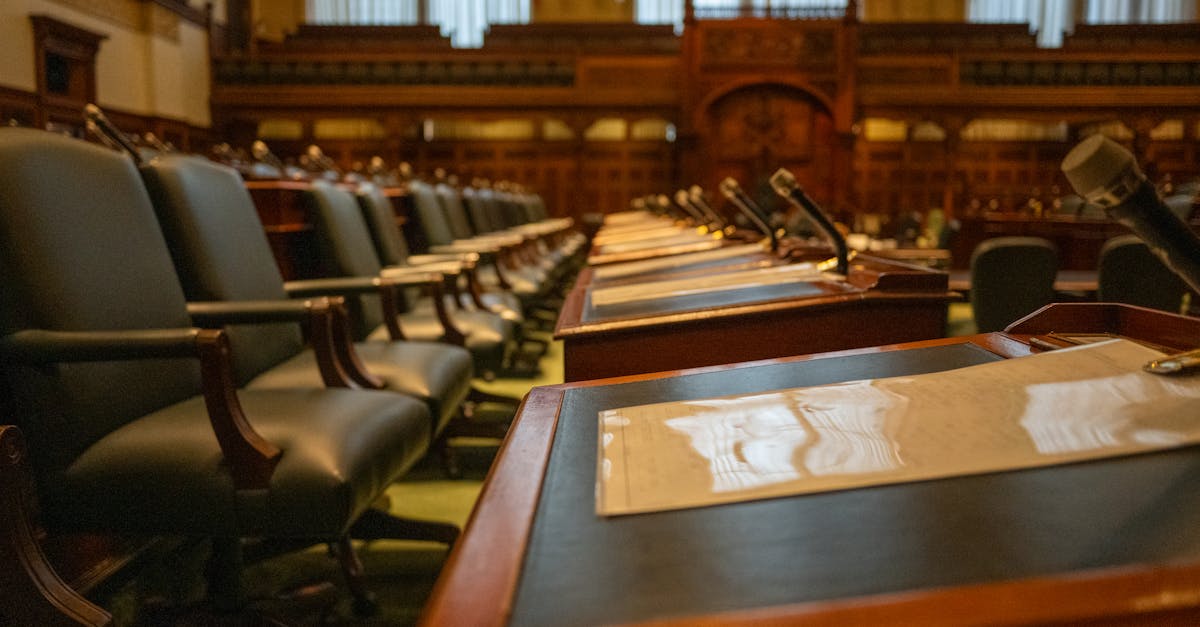
A Honolulu judge has ruled that certain closed-door meetings of a state House of Representatives committee prior to the 2025 legislative session violated the Hawaii Constitution. This decision suggests a move towards greater transparency in the legislative process, potentially impacting how laws affecting businesses are developed and enacted.
The Change
The ruling by a Honolulu judge determined that specific committee meetings, which were conducted without public notice or access, contravened the Hawaii Constitution's transparency mandates. While the specific legislative session affected has concluded, the judgment establishes a precedent for future legislative conduct. The court's interpretation underscores the importance of open government and public access to legislative deliberations. This doesn't immediately alter existing laws but signals an increased likelihood of judicial review over procedural improprieties in the future.
Who's Affected
This ruling has indirect but significant implications for various business stakeholders in Hawaii:
-
Entrepreneurs & Startups: Founders and scaling companies that rely on a predictable regulatory environment may find policy discussions becoming more public. This could mean more opportunities for public input but also potentially longer deliberation periods as issues gain wider attention. Lobbying efforts may need to adapt to focus more on public-facing advocacy and less on behind-the-scenes negotiation.
-
Investors: Venture capitalists, angel investors, and portfolio managers should consider how increased legislative transparency might affect regulatory stability. Shifts towards more open proceedings could lead to broader public debate on economic policies, potentially creating uncertainty during policy formulation but fostering greater long-term predictability once policies are enacted through transparent means.
-
Small Business Operators: While not directly involved in legislative committee work, small business owners and local operators are impacted by the laws that emerge from these processes. If lobbying becomes more public and debates are more visible, the effectiveness of traditional lobbying might shift. This could translate to changes in how business-friendly legislation is advanced or opposed.
-
Real Estate Owners: Property owners, developers, and landlords may see policies related to zoning, development permits, and property taxes subjected to greater public scrutiny. This could lead to more community involvement in planning and zoning decisions, potentially influencing development timelines and project approvals.
Second-Order Effects
An increase in legislative transparency, driven by adherence to constitutional mandates, could trigger a chain of effects within Hawaii's insular economy. Greater public participation in policy formation might slow down the legislative process for certain business-related bills, such as those concerning land use or economic incentives. This could lead to extended periods of regulatory uncertainty. Conversely, policies that emerge from more open processes might face less legal challenge later, providing greater long-term stability. If lobbying becomes more public and constituent-driven, it could empower broader business advocacy groups, potentially influencing tax structures or permit fees indirectly across multiple sectors.
What to Do
This ruling calls for a WATCH approach. While no immediate operational changes are mandated, businesses should proactively adapt their engagement strategies with the state legislature.
Action Details
Businesses that engage with state government on policy matters should monitor public legislative calendars and comment periods more closely. Review current lobbying strategies to ensure they incorporate public advocacy and stakeholder engagement, anticipating that future legislative processes may be more open to public input and scrutiny. Formalize engagement by establishing clear communication channels with relevant legislative committees and representatives regarding upcoming policy debates.


