


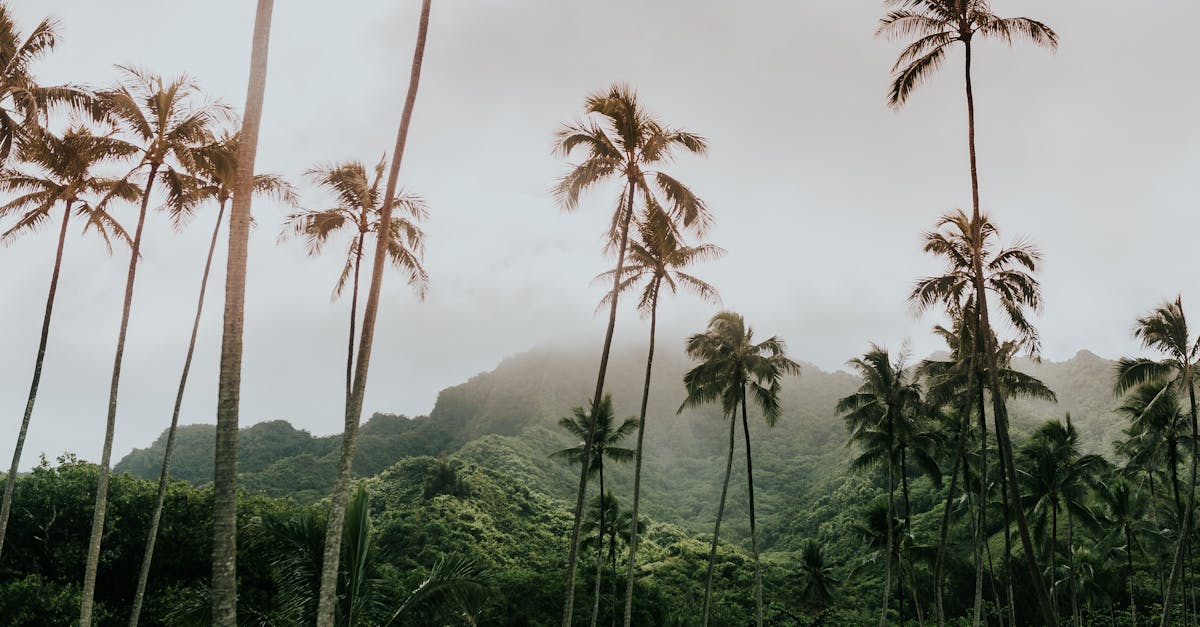
Invasive Beetles Threaten Hawaii's Coconut Palm Health
The proliferation of invasive coconut rhinoceros beetles poses a growing threat to the health and viability of coconut palm trees across Hawaii. While individual coconut trees can be resilient, widespread infestation can lead to significant yield reduction and tree mortality. Without effective containment and management, these beetles could decimate local coconut supplies and mar the iconic tropical landscapes that attract tourists.
The Change
While no immediate policy change has been enacted, the escalating presence and destructive potential of invasive beetle species, particularly the coconut rhinoceros beetle, represent a material change in the risk landscape for Hawaii's coconut industry and related sectors. These beetles bore into the crowns of coconut palms, feeding on the tissues and eventually causing significant damage, including flower and fruit drop, and in severe cases, tree death. The impact is most pronounced on mature trees capable of bearing fruit, with infestations accelerating over the past few years.
Who's Affected
Agriculture & Food Producers
For farmers and food producers relying on coconuts, the unchecked spread of invasive beetles presents a direct threat to supply chains. A projected yield loss of 10-20% within the next 6-12 months could lead to increased raw material costs for coconut products, from virgin coconut oil to baked goods and beverages. Small-scale operations that depend heavily on local coconut sourcing will be most vulnerable to supply disruptions and price volatility. This could necessitate seeking alternative, potentially more expensive, imported ingredients.
Tourism Operators
Coconut palms are integral to Hawaii's aesthetic appeal, particularly in beachfront resorts, parks, and tourist-frequented areas. The damage caused by invasive beetles—drooping fronds, reduced fruit production, and eventual tree decline—can detract from the picturesque tropical ambiance that draws visitors. This aesthetic degradation could negatively impact visitor experience and perception, potentially affecting bookings for hotels and attractions heavily reliant on scenic beauty. Loss of unique local offerings, such as fresh coconut water stands, could also diminish the authentic Hawaiian experience.
Real Estate Owners
Property owners, including developers and landlords with significant coconut palm populations on their land, face potential impacts. The health of mature coconut trees can be a selling point and contribute to property value. Infestations not only pose a risk of tree death, requiring costly removal, but can also lead to reduced curb appeal and potential liability if damaged trees pose a hazard. Landscaping and grounds maintenance costs could increase substantially as proactive measures against beetle infestation become necessary.
Second-Order Effects
First-order effect: Reduced availability and potential die-off of coconut palm trees due to invasive beetle activity.
Ripple chain:
- Decreased local supply of coconuts → Increased cost of coconut-derived products (food, oil, crafts).
- Diminished aesthetic appeal of tourist areas → Potential decrease in visitor satisfaction and resort demand.
- Increased demand for imported coconuts → Higher logistics costs and reliance on external supply chains, particularly impacted by the Jones Act for inter-island shipping.
- Heightened maintenance costs for affected properties → Reduced profitability for real estate owners and tourism operators.
What to Do
At this juncture, the primary recommendation for affected roles is to WATCH the developing situation, as direct intervention strategies are still being identified and implemented by agricultural and environmental agencies. Proactive monitoring and engagement are key.
Agriculture & Food Producers: Monitor reports from the Hawaii Department of Agriculture and the University of Hawaii College of Tropical Agriculture and Human Resources (CTAHR) regarding beetle population spread and any recommended control measures. Explore diversifying ingredient sourcing to mitigate future supply shocks. Consider joining or supporting local agricultural associations advocating for pest management resources.
Tourism Operators: Stay informed about the visual impact of beetle infestations in your operating areas. Engage with local landscaping and grounds maintenance services about best practices for coconut palm health in the face of invasive pests. Report significant or unusually high concentrations of damaged trees to local authorities such as the Department of Land and Natural Resources (DLNR) Parks Division. Consider highlighting other unique Hawaiian flora and fauna in marketing to diversify appeal.
Real Estate Owners: Keep an eye on county and state advisories concerning invasive beetle management. Consult with certified arborists regarding the health of mature coconut palms on your property and potential preventative treatments. Factor potential future landscaping and tree removal costs into property budgets and maintenance plans.
This situation requires ongoing vigilance. If beetle populations show rapid, unchecked expansion across multiple islands, or if specific control methods are proven effective and widely recommended by state agencies, a more immediate action plan may be necessary.
