


Island Reputation at Risk: Mounting Marine Debris May Deter Tourists and Attract New Regulations
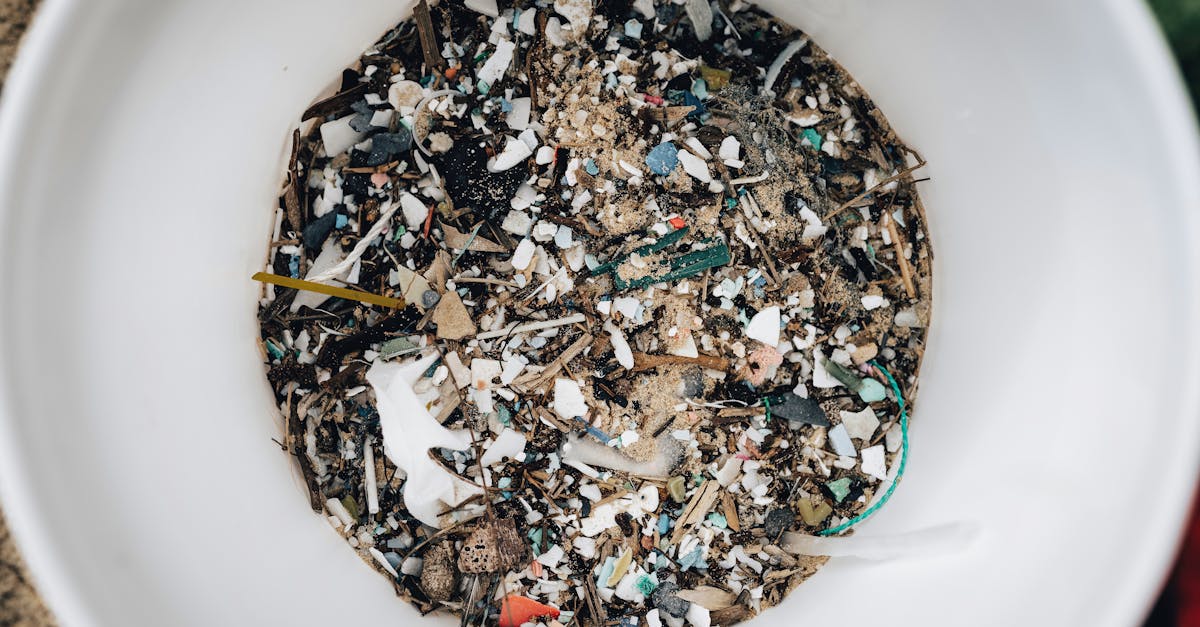
The Hawaii Business publication reports that tons of plastic waste are washing ashore on Hawaiian beaches daily, with forensic analysis indicating that 80% originates from abandoned fishing gear used by global fleets in the Pacific Ocean. This persistent influx of debris represents a growing environmental challenge with significant implications for Hawaii's identity as an unspoiled paradise and its critical tourism-dependent economy. While the immediate impact is environmental, the long-term consequences could include reputational damage, increased operational costs related to cleanup and compliance, and heightened regulatory attention from both local and federal authorities.
Who's Affected
-
Tourism Operators (Hotels, Tour Companies, Vacation Rentals): The aesthetic degradation of beaches, a primary draw for visitors, could negatively affect visitor satisfaction and booking decisions. While direct cleanup costs might be borne by municipalities or state efforts, the perception of Hawaii as a polluted destination could lead to reduced visitor numbers or a shift in traveler preferences toward destinations perceived as more pristine. Operators may face increased pressure to demonstrate their own sustainability practices.
-
Real Estate Owners (Coastal Properties, Developers): Properties along the coastline face increased maintenance burdens and potential devaluation if beach access and aesthetics are significantly compromised. Developers may encounter more stringent environmental impact assessments or requirements for coastal resilience measures in future projects. The long-term viability of certain coastal developments could be questioned if the marine debris problem escalates.
-
Investors: Investors in Hawaii's tourism sector, hospitality industry, and real estate should consider the escalating marine debris issue as a significant environmental, social, and governance (ESG) risk factor. Companies that rely heavily on pristine natural environments for their value proposition may face increased scrutiny. A potential shift in consumer demand away from destinations perceived as environmentally compromised could impact portfolio performance.
-
Small Business Operators (Retail, Restaurants, Services): While the direct link may be less pronounced than for tourism operators, businesses that cater to tourists or rely on a vibrant local economy will be indirectly affected. A decline in tourism due to reputational damage would reduce customer traffic and revenue. Furthermore, increased local or state mandates for sustainability initiatives or waste reduction could add to operational costs.
Second-Order Effects
An escalating marine debris problem, predominantly from external fishing fleets, could lead to increased public and political pressure for stronger environmental regulations. This could manifest as: (1) Increased calls for extended producer responsibility and fees on imported goods and fishing equipment, potentially increasing costs for businesses reliant on imported supplies. (2) Stricter local waste management and recycling mandates, requiring businesses to invest in new infrastructure or processes, thereby increasing operating expenses. (3) A potential increase in consumer demand for sustainable tourism, favoring businesses and destinations that demonstrate strong environmental stewardship, which could favor some operators over others.
What to Do
This situation requires a WATCH approach. The primary environmental impact is currently external (global fishing fleets), but the reputational and regulatory consequences will be felt locally. No immediate operational changes are mandated, but awareness and proactive monitoring are crucial.
-
Tourism Operators: Monitor international efforts and regulations targeting abandoned fishing gear. Track visitor feedback and online sentiment regarding beach conditions and sustainability. Consider integrating and actively promoting existing sustainability initiatives in marketing materials.
-
Real Estate Owners: Stay informed about potential changes in coastal development regulations and environmental impact assessment requirements. Budget for potential increases in property maintenance and coastal cleanup efforts.
-
Investors: Evaluate the ESG risk exposure of companies in your Hawaii-focused portfolios. Look for businesses with strong environmental commitments or those in sectors less reliant on pristine coastal aesthetics.
-
Small Business Operators: Keep abreast of any emerging local or state-level sustainability mandates or waste reduction programs that may affect business operations or supply chains.
Action Details
Watch for major international policy shifts or regulatory proposals, particularly from bodies like the UN or regional fisheries management organizations, aimed at reducing lost and abandoned fishing gear. Internally, monitor local media and legislative discussions for any proposed state or county-level initiatives that could involve new fees, taxes, or operational requirements for businesses related to waste management or environmental impact. If significant international regulatory action or substantial local legislative proposals emerge, it will be time to re-evaluate business practices, supply chains, and marketing strategies.


