


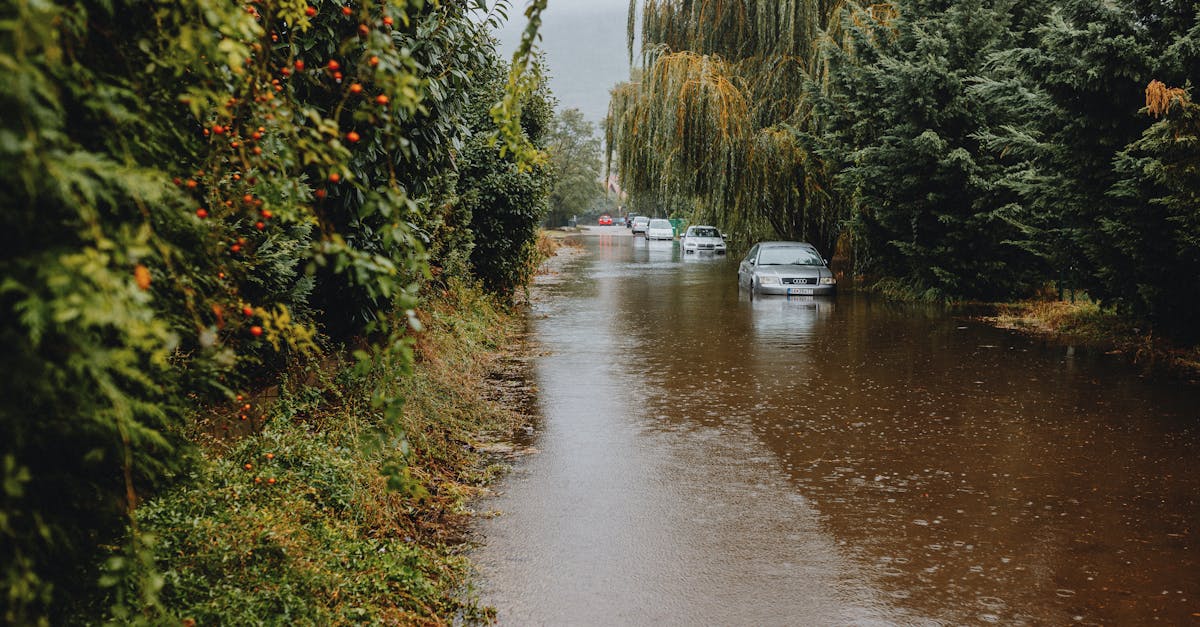
Island Travel Disruptions: Tourism Operators Face Significant Operational Challenges Post-Flooding
Following the most severe flooding in Hawaii in over two decades, the choice of which island to visit or operate on has become a critical decision. Significant damage to infrastructure, including roads, bridges, and utilities, has resulted in widespread closures and access limitations, directly impacting visitor flow, supply chains, and the operational capacity of businesses across multiple sectors.
The Change
In late March 2026, Hawaii experienced unprecedented rainfall, leading to intense flooding and landslides across several islands. The Beat of Hawaii reported that this event resulted in road closures, damage to visitor attractions, and disruptions to inter-island travel. While the full extent of the damage is still being assessed, preliminary reports indicate that areas on Maui, Oahu, and the Big Island have been particularly hard-hit, with specific coastal and valley regions facing prolonged recovery periods.
This natural disaster has immediate implications for businesses reliant on visitor access and the reliable transport of goods. The severity of the flooding means that certain areas may remain inaccessible or have limited services for weeks, if not months, altering typical travel patterns and demand for services.
Who's Affected
Tourism Operators
This event directly impacts hotels, tour companies, vacation rental managers, and all hospitality-related businesses. Operators on or marketing islands with significant damage will likely see a sharp decline in bookings and foot traffic. This could range from 15-30% reduction in revenue for affected properties and tours in the short-to-medium term, depending on the duration of infrastructure closures and public perception.
- Hotels and Vacation Rentals: Properties in flood-affected zones or those reliant on damaged access routes may face cancellations and a significant drop in occupancy. Those on less impacted islands might see a short-term surge in demand, but this is contingent on transportation feasibility.
- Tour Operators: Excursions involving overland travel to natural attractions or remote areas are likely to be canceled or rescheduled. This could lead to a 50-75% drop in revenue for affected tour types.
- Airlines and Inter-island Transport: Flight schedules and ferry services between affected islands may experience cancellations or delays, further compounding visitor disruptions and impacting cargo transport.
Agriculture & Food Producers
Farmers and food producers, particularly those in low-lying or valley areas, face direct crop damage from flooding and landslides. Beyond immediate losses, infrastructure damage poses significant challenges:
- Export Logistics: Damaged ports and roads will delay or prevent the export of agricultural goods, potentially leading to spoilage and lost contracts. This could result in immediate financial losses and long-term damage to buyer relationships.
- Supply Chain Disruptions: Transporting feed, equipment, and harvested goods within and off-island will be more difficult and costly, potentially increasing operating expenses by 5-10%.
- Water Management: While flooding is an initial issue, the subsequent drought or altered water tables could impact irrigation for future crops.
Real Estate Owners
Property owners in or near affected areas face potential damage to their real estate assets. For those with commercial properties occupied by businesses listed above, vacancy rates and rent collection could become significant issues.
- Property Damage: Owners of properties in flood-prone zones will incur costs for repairs and insurance claims, with potential deductibles and increased future premiums.
- Access and Development: Flood-damaged infrastructure can impede construction projects. Developers may face extended timelines and increased costs due to road closures and utility restoration delays, potentially adding 8-15% to project budgets.
- Rental Market Shifts: If certain areas become less desirable or accessible due to lasting damage, there could be a shift in rental demand, impacting property values and vacancy rates in the medium term.
Second-Order Effects
The immediate impacts of this flooding will ripple through Hawaii's isolated economy. Reduced visitor arrivals to affected islands mean less demand for local goods and services, impacting small businesses and a workforce heavily reliant on tourism. This can lead to increased unemployment in affected areas, potentially requiring government aid and further straining public resources. For agriculture, damaged export infrastructure and delayed shipments increase the cost of goods for both local consumption and export, contributing to inflation. This, in turn, can elevate the cost of living for residents and potentially impact the competitiveness of Hawaii's tourism sector if prices rise significantly across the board.
What to Do
Tourism Operators
ACT NOW: Immediate reassessment of marketing and operational plans is critical. Monitor official advisories from the Hawaii Tourism Authority (Hawaii Tourism Authority) and county emergency management agencies.
- For operators on affected islands: Immediately notify booked guests about potential disruptions, offer flexible rebooking or cancellation policies, and pivot marketing to highlight unaffected attractions or alternative activities. Shift inventory and promotions to other islands if feasible and logistically sound.
- For operators marketing affected islands: Update website content and marketing materials to reflect current conditions and advisories. Redirect marketing spend to islands with minimal damage.
- Review supply chains: Identify alternative suppliers or transport routes if those normally used are compromised. Secure essential supplies ahead of potential further disruptions.
- Insurance Claims: Begin the process of documenting damage and filing insurance claims promptly for any property or business interruption losses.
Agriculture & Food Producers
ACT NOW: Immediate inventory assessment and communication with buyers and suppliers are essential.
- Assess immediate crop and livestock losses: Document thoroughly for insurance and aid applications. Secure salvageable crops and livestock if feasible.
- Verify transportation routes: Contact shipping partners and logistics providers to understand current and projected access to ports and distribution centers. Explore alternative transport options if necessary.
- Communicate with buyers: Proactively inform clients about potential delays or volume reductions to manage expectations and preserve relationships.
- Apply for disaster relief: Monitor federal and state disaster relief programs for farmers and agricultural businesses (USDA Disaster Assistance).
Real Estate Owners
ACT NOW: Immediate property inspections and insurance reviews are crucial.
- Inspect properties: Conduct thorough inspections of all properties in or near flood-affected zones for damage. Document any issues with photos and videos.
- Contact insurance providers: File claims promptly and understand policy coverage for damage and business interruption.
- Review existing leases: For commercial properties, assess lease clauses regarding force majeure, rent abatement, and repair responsibilities.
- Monitor development permits: If you have ongoing projects, liaise with contractors and county planning departments to understand potential delays and cost impacts due to infrastructure damage and road closures. Adjust project timelines and budgets accordingly.
If your properties are not in directly affected areas but are impacted by broader infrastructure disruption, monitor county updates on utility restoration and road access, as this will dictate when business operations and tenant access can normalize.


