


JetBlue's Expanded Flights Post-Spirit Demise Create New Considerations for Hawaii Travel Costs
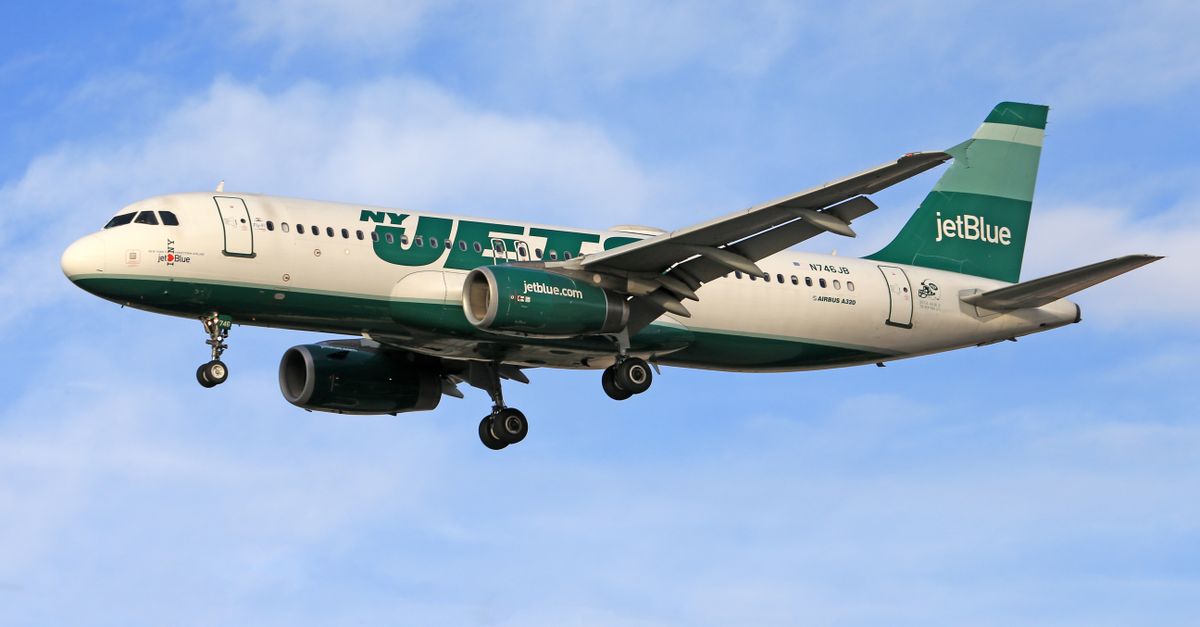
The aviation landscape serving Hawaii is shifting following the definitive end of Spirit Airlines' operations. Within hours of Spirit ceasing its flights, JetBlue Airways announced significant expansion at Spirit's former hub in Fort Lauderdale, including more than two dozen routes. This move signals JetBlue's intent to capture market share previously held by Spirit, a low-cost carrier that had a notable presence on transpacific routes, including to Hawaii.
For Hawaii businesses reliant on visitor traffic, and for those assessing the state's broader economic ecosystem, this development necessitates a watch-and-wait approach regarding travel pricing and availability. The immediate availability of new JetBlue flights suggests a rapid response to market opportunities, but the long-term impact on fares and route viability will take time to materialize.
Who's Affected
- Tourism Operators: Expect potential fluctuations in airfare pricing and seat availability, particularly on routes historically served by Spirit. JetBlue's expansion could lead to increased competition, potentially driving down prices for some segments, or consolidation could lead to fewer options and higher costs on others. Monitor fare aggregators and airline capacity reports for shifts impacting your customer base.
- Investors: The consolidation within the airline industry, exemplified by Spirit's demise and JetBlue's strategic response, presents both risks and opportunities. Investors should assess how this impacts the overall profitability and competitive dynamics of air travel to Hawaii, which could influence tourism investment viability. Look for emerging trends in airline partnerships or niche market entries.
- Small Business Operators: While direct impacts may be less immediate, changes in visitor volume and cost of travel can indirectly affect demand for local goods and services. Shifts in tourism can alter foot traffic and consumer spending patterns. Keep an eye on visitor arrival numbers and local economic indicators.
- Entrepreneurs & Startups: The restructuring of airline services may open doors for innovative ancillary travel services or logistics solutions. As carriers adjust their networks, new partnership opportunities or gaps in customer service could emerge. Consider how your business could complement or leverage these shifts in air connectivity.
Second-Order Effects
The airline industry's consolidation has significant ripple effects on Hawaii's isolated economy. A reduction in the number of competing airlines, particularly low-cost carriers, can lead to higher average airfares. This, in turn, increases the cost of travel for tourists and business travelers alike, potentially dampening demand or shifting visitor spending away from traditional goods and services towards transportation. For local businesses, this could translate to reduced consumer discretionary spending, impacting revenues. Furthermore, shifts in flight capacity can influence the types of visitors who can afford to travel to the islands, potentially altering the demographic of Hawaii's tourism base.
What to Do
Action Level: Watch
This development requires ongoing observation rather than immediate action for most businesses. The competitive landscape is in flux, and the precise impact on travel costs and availability to and from Hawaii will take weeks, if not months, to fully reveal itself.
- For Tourism Operators: Monitor airfare trends daily using industry tools and track booking patterns. Pay close attention to JetBlue's announced flight schedules and pricing strategies. If fares begin to consistently increase across key routes, adjust marketing strategies and consider offering bundled packages to offset increased travel costs for your clients.
- For Investors: Observe competitor responses to JetBlue's moves. Look for indications of further consolidation or new market entrants. Track the performance of airlines serving Hawaii and assess their long-term viability in a more concentrated market. Significant shifts in load factors or profitability for carriers could signal broader economic impacts on the state.
- For Small Business Operators: Keep an eye on visitor arrival statistics from the Hawaii Tourism Authority. If visitor numbers show a decline or if anecdotal evidence suggests travelers are spending less, be prepared to adjust your inventory, staffing, and marketing accordingly. Focus on customer retention and value propositions.
- For Entrepreneurs & Startups: Scout for unmet needs in the travel ecosystem. Are there opportunities for businesses that can provide alternative transportation solutions, unique local experiences that become more appealing due to higher travel costs, or services that help travelers navigate a potentially more complex booking environment?
Action Details: Monitor JetBlue's load factors and average fares on Hawaii routes versus historical Spirit and other competitor pricing over the next 90 days. If average fares for comparable routes increase by more than 10% and load factors remain high, consider revising promotional offers to absorb some of the increased travel cost for your target demographic. Simultaneously, watch for announcements of new competitive responses from other carriers or emerging niche travel providers.


