The Change
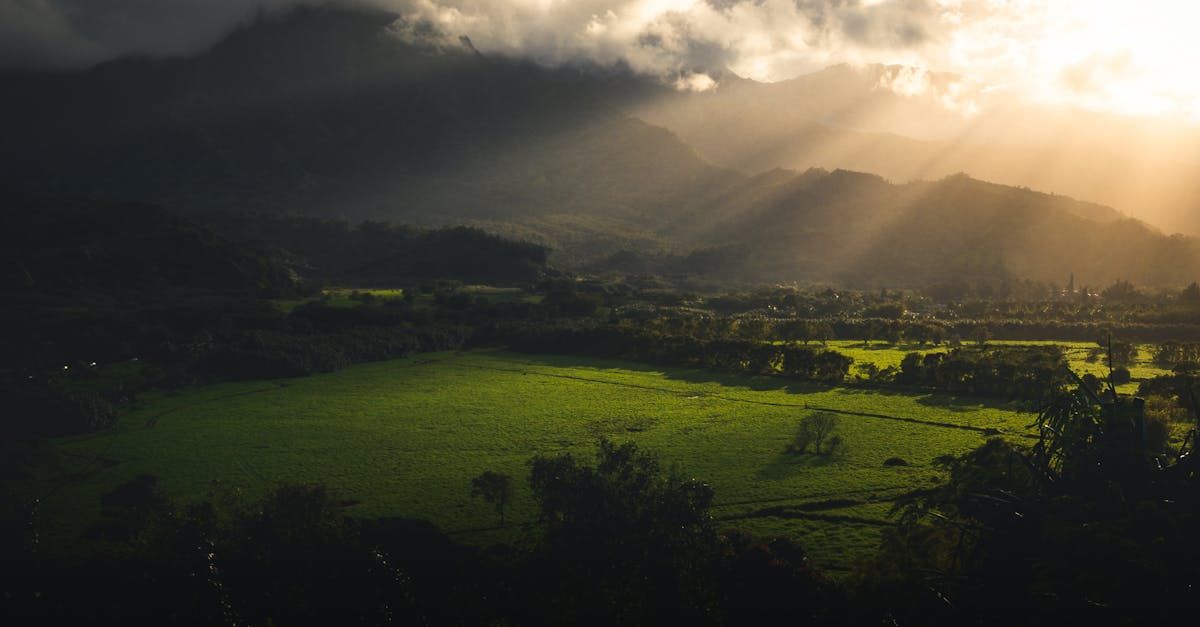
The impending closure of Kauai Coffee Co., the largest coffee operation in the United States, poses significant implications for Hawaii's agricultural landscape and economy. A reported January 15th announcement indicated the company's intent to cease operations, leading to the elimination of 136 jobs. This event, while framed by some as a cultural loss, directly translates to a substantial disruption in the localized coffee supply chain and a hit to regional employment.
Who's Affected
Agriculture & Food Producers
The cessation of Kauai Coffee Co.'s operations represents a direct reduction in the available local coffee supply. This could create opportunities for smaller, burgeoning coffee farms on the islands to scale up or capture market share previously held by Kauai Coffee Co. However, it also means a potential decrease in overall island-grown coffee inventory. For food producers who rely on local coffee for their products, this might necessitate securing alternative, potentially more expensive, supply chains or adapting product lines. The loss of a major agricultural employer also carries weight for the local agricultural community, potentially signaling broader economic pressures affecting the sector.
Investors
This closure could be a bellwether for increased consolidation or financial distress within specialized agricultural sectors in Hawaii. Investors who have exposure to Hawaiian coffee plantations or similar large-scale specialty crop operations should assess their portfolios for potential risks. The decision to close could indicate unsustainable operating costs, market saturation, or challenges in scaling specialized agriculture within the unique constraints of an island economy. Conversely, it might present an opportunity for investors looking to capitalize on a reduced supply, potentially by acquiring distressed assets or investing in more diversified or resilient agricultural ventures.
Small Business Operators
For small businesses, particularly those in the food service industry (like cafes and restaurants), the reduction in local coffee supply could lead to increased wholesale prices for coffee beans. This squeeze on input costs, assuming demand remains constant, will directly impact profit margins. Businesses that have built their brand around sourcing local ingredients may face a dilemma – either absorb the higher costs, pass them on to consumers, or seek out non-local alternatives. The loss of 136 jobs could also have a localized impact on consumer spending in affected communities on Kauai.
Second-Order Effects
The closure of a significant agricultural producer like Kauai Coffee Co. has multifaceted ripple effects specific to Hawaii's island economy:
- Reduced Local Coffee Supply: This directly impacts the availability and potentially the price point of coffee for local businesses and consumers. If demand outstrips the remaining local supply, reliance on imports will increase, potentially raising the cost of goods sold for food service operators.
- Labor Market Disruption: The loss of 136 jobs, particularly in an industry that requires specific agricultural skills, can lead to increased local unemployment and a potential downward pressure on wages in sectors competing for the displaced workforce. This could indirectly affect consumer spending power.
- Land Use Re-evaluation: The land previously used for the large-scale coffee plantation will eventually be subject to re-evaluation for other uses. This could influence future agricultural diversification efforts or development pressures, impacting long-term land availability for producers.
What to Do
Agriculture & Food Producers
Monitor local coffee commodity pricing trends and the availability of alternative high-quality coffee beans from other regions. Assess your current supply contracts for potential vulnerabilities. Consider exploring partnerships with other smaller-scale Hawaiian coffee growers to ensure a diversified and stable local supply.
Investors
Review your investment portfolio for concentrated exposure to Hawaiian specialty agriculture. Track trends in agricultural land use and commodity prices in Hawaii and similar island economies. Be alert for opportunities to invest in diversified food production or value-added agricultural products that demonstrate resilience to single-crop market shocks.
Small Business Operators
Analyze your current coffee bean procurement costs. If you are heavily reliant on local sourcing, investigate alternative suppliers and negotiate longer-term contracts to hedge against potential price volatility. Evaluate your menu pricing strategy to determine if absorbing increased costs or passing them to consumers is more viable for maintaining profitability.
Action Details: Watch key coffee commodity futures and wholesale prices for any significant upward movement over the next 60 days, which could indicate broader supply issues exacerbated by the Kauai Coffee Co. closure. Monitor reports from the Hawaii Department of Agriculture regarding trends in agricultural land utilization and the emergence of new local producers. If coffee bean prices for small businesses consistently rise by more than 10% quarter-over-quarter and remain elevated, begin implementing menu price adjustments or exploring alternative supplier relationships to protect profit margins.