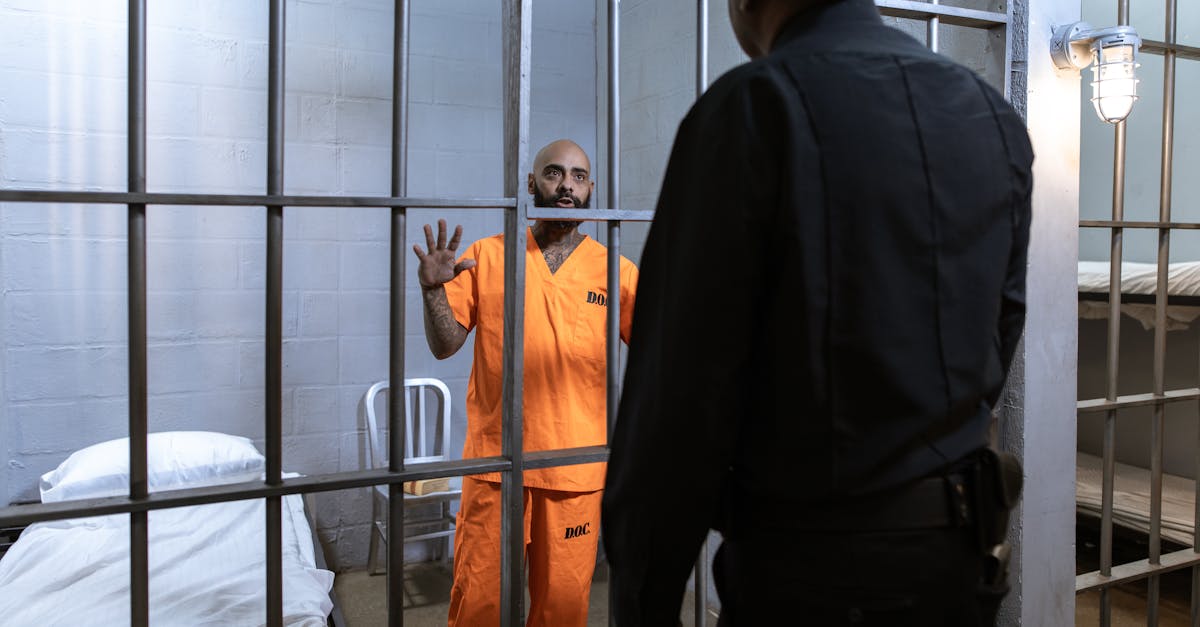
Kauaʻi Jail Relocation to Prompt Land Use Re-evaluation
The Kauaʻi County government has initiated steps to replace its existing jail facility, a move necessitated by the current site's vulnerability to tsunamis and flooding, combined with a recognized need for enhanced inmate rehabilitation programs. While the exact timeline for construction and relocation is still in the early planning stages, the official decision to pursue a new facility implies significant future changes in land use, infrastructure development, and resource allocation on Kauaʻi.
Who's Affected
- Real Estate Owners (Kauaʻi Focus): The decision to build a new correctional facility will likely involve extensive land use planning, potential rezoning, and infrastructure upgrades in the vicinity of the proposed site. Owners of property near potential new locations, or those involved in commercial development in areas that might be impacted by resource diversion, should anticipate scrutiny from county planning departments. This could also affect property values and development feasibility in surrounding areas.
- Investors: For investors with interests in Kauaʻi, this project represents a shift in public infrastructure priorities. It signals a commitment to addressing long-standing facility needs and environmental resilience. Investors monitoring opportunities in construction, infrastructure development, or real estate on Kauaʻi should consider how this project might influence future development patterns and available land for other commercial or residential projects. The focus on rehabilitation may also signal a long-term approach to social infrastructure investment.
Second-Order Effects
The relocation of a major county facility like a jail is not an isolated event. It will likely involve:
- Land Use Re-prioritization: Choosing a new site means dedicating significant land for a public-purpose facility, potentially impacting land available for private development, agriculture, or conservation, especially on an island with limited usable acreage.
- Infrastructure Demands: A new jail will require upgrades to surrounding roads, utilities (water, sewer, power), and potentially public transportation routes, drawing on county resources and potentially impacting development timelines and costs in adjacent areas.
- Economic Activity: The construction phase will create short-term jobs, but the long-term operational needs of a modern facility (e.g., staffing, security, maintenance) will represent a sustained local economic presence. However, the investment in infrastructure might divert funds or attention from other development initiatives.
What to Do
Given the early stage of this initiative (actionLevel: WATCH), direct investment or divestment decisions are premature. However, stakeholders should:
- Monitor County Planning and Zoning Announcements: Pay close attention to Kauaʻi County's planning commission meeting agendas, proposed land use changes, and environmental impact assessments related to the new jail project.
- Track Infrastructure Development Plans: Keep an eye on updates regarding road, utility, and service upgrades tied to the jail's future location. These will indicate potential areas of growth or disruption.
- Assess Resource Allocation: Observe how this significant public works project influences the allocation of county and state resources, which could affect the pace of other development or infrastructure projects elsewhere on the island.
No immediate action is required, but staying informed about the planning phases and potential site selections will be crucial for anticipating future land use and development trends on Kauaʻi.