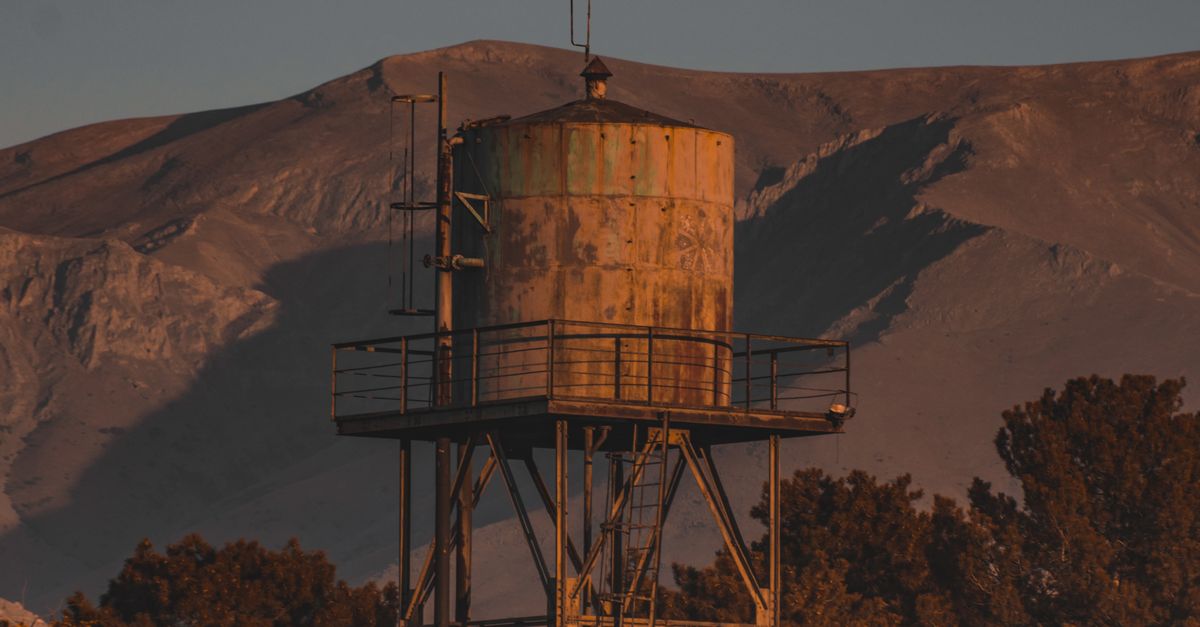
Kīhei Real Estate and Agriculture Stakeholders: Opportunity Window to Influence Water Infrastructure Project
Maui County's Department of Water Supply is proposing the construction of a 2-million-gallon drinking water storage tank in central Kīhei. While not expanding water source or transmission capacity, the project aims to significantly improve the reliability of the existing water system in the area. The proposed site is currently pastureland. This initiative presents a critical opportunity for stakeholders, particularly real estate owners and agricultural producers, to engage with the county's planning process through public comments on the Draft Environmental Assessment (DEA).
The Change
Maui County's Department of Water Supply has released a Draft Environmental Assessment (DEA) for a proposed 2-million-gallon water storage tank in central Kīhei. The project's primary objective is to enhance water system reliability by providing additional storage capacity. Crucially, the DEA states that the new tank will not increase the capacity of water sources or transmission lines, meaning it is intended to buffer existing supply rather than enable significant new demand.
The current site identified for the tank is pastureland. The county is currently accepting public comments on the DEA. The timeline for the public comment period is a critical factor for stakeholders wishing to influence the project's design, environmental mitigations, or potential secondary impacts.
Who's Affected
Real Estate Owners (Property Owners, Developers, Landlords, Property Managers)
The construction of new water infrastructure, even if focused on storage, can have implications for future development potential and land use zoning in Kīhei. While this project does not increase overall water capacity, improved system reliability could indirectly support denser development or modifications to existing land use permits by ensuring a more stable water supply for current needs.
- Impact: Potential influence on future zoning considerations or development feasibility appraisals. Properties adjacent to or near the proposed tank site might experience changes in perceived value or utility. The county may consider the new infrastructure in future land use planning dialogues.
- Timeline: The public comment period on the DEA is the primary window for input. Missing this period means forfeiting the opportunity to specifically shape the project's current planning phase.
Agriculture & Food Producers (Farmers, Ranchers, Food Producers, Aquaculture Operators)
For agricultural operations in Kīhei and surrounding areas, water availability and allocation are paramount. While this project aims to improve reliability for drinking water, the land use designation of the proposed site (currently pastureland) and the overall water management strategy are of direct concern.
- Impact: Agricultural producers may wish to comment on ensuring that increased storage does not inadvertently divert attention from or negatively impact existing agricultural water allocations or future water needs for farming. Understanding the long-term water management plan that this tank fits into is crucial.
- Timeline: Similar to real estate owners, the public comment period is the immediate opportunity to voice concerns directly related to water resource management and land use. This is particularly important if the pastureland currently has any agricultural designation or potential.
Second-Order Effects
Maui's isolated island economy is highly susceptible to second-order effects from infrastructure projects and resource management decisions. This proposed water tank, while modest in capacity, can trigger several.
- Improved Water Reliability → Incremental Development Potential → Increased Demand on Infrastructure & Services: Even without increasing source capacity, improved storage reliability can make existing water systems more resilient. This resilience, over time, could subtly support increased density or new development approvals in Kīhei, leading to greater demand on roads, schools, and other county services which are already strained.
- Land Use Change (Pastureland to Tank Site) → Reduced Agricultural Land Availability → Increased Import Dependence: The conversion of even a portion of pastureland to a water tank site, if not carefully managed, contributes to the long-term trend of shrinking available land for local agriculture. This could necessitate greater reliance on imported food products, impacting food security and local economic diversification.
What to Do
For all affected roles, the immediate action is to participate in the public comment period for the Draft Environmental Assessment (DEA).
Real Estate Owners
- Act Now: Review the Draft Environmental Assessment (DEA) document for the proposed Kīhei water storage tank. Focus on sections related to land use, zoning implications, environmental impacts, and any mention of future development potential supported by the improved reliability.
- Action Step: Submit formal written comments to Maui County Department of Water Supply by the stated deadline. Comments should clearly articulate how the project might affect current property values, future development plans, or zoning considerations. Encourage any applicable Hawaii Business Improvement Districts or County Council representatives to review the DEA and raise relevant points.
- Deadline: The public comment period deadline, as stated in the DEA notice. (Note: The source material did not specify a deadline; stakeholders must verify this directly from the County or accompanying public notices.)
Agriculture & Food Producers
- Act Now: Thoroughly read the DEA, paying close attention to water source and allocation details, the environmental impact on surrounding lands (especially if they are agricultural), and any long-term water management strategies outlined.
- Action Step: Submit formal written comments focusing on the preservation of water rights for agriculture, the potential impact on existing agricultural land, and advocating for comprehensive water resource planning that balances domestic needs with agricultural sustainability. Highlight the importance of local food production for Maui's resilience.
- Deadline: The public comment period deadline. (Note: Verify this date; it is critical for timely input.)
Verification of Deadlines and Submission Procedures: It is imperative that all stakeholders directly consult the official Maui County Department of Water Supply announcements or the published DEA for the exact deadline for public comment submission and the precise method of submission (e.g., email, mail, online portal). This information is not detailed in the provided source material but is fundamental to taking effective action.
Sources: