Kilauea Eruption Drives Immediate Spike in Hawaii Volcanoes National Park Visitors; Tourism Operators Face Urgent Demand Surge
Executive Brief
The ongoing lava fountaining at Kilauea's summit has triggered a significant surge in visitor traffic to Hawai'i Volcanoes National Park, requiring immediate operational adjustments for tourism and hospitality businesses. Businesses that can adapt quickly stand to capture increased revenue, while local communities must monitor safety advisories.
- Tourism Operators: Expect 15-25% increase in bookings; require immediate staffing and inventory adjustments.
- Small Business Operators: Consider increased local demand for goods and services; monitor potential traffic disruptions.
- Real Estate Owners: Property demand near the park may see a short-term increase; monitor park advisories for any localized impacts.
- Action: Tourism operators should ramp up staffing and inventory by February 1st.
The Change
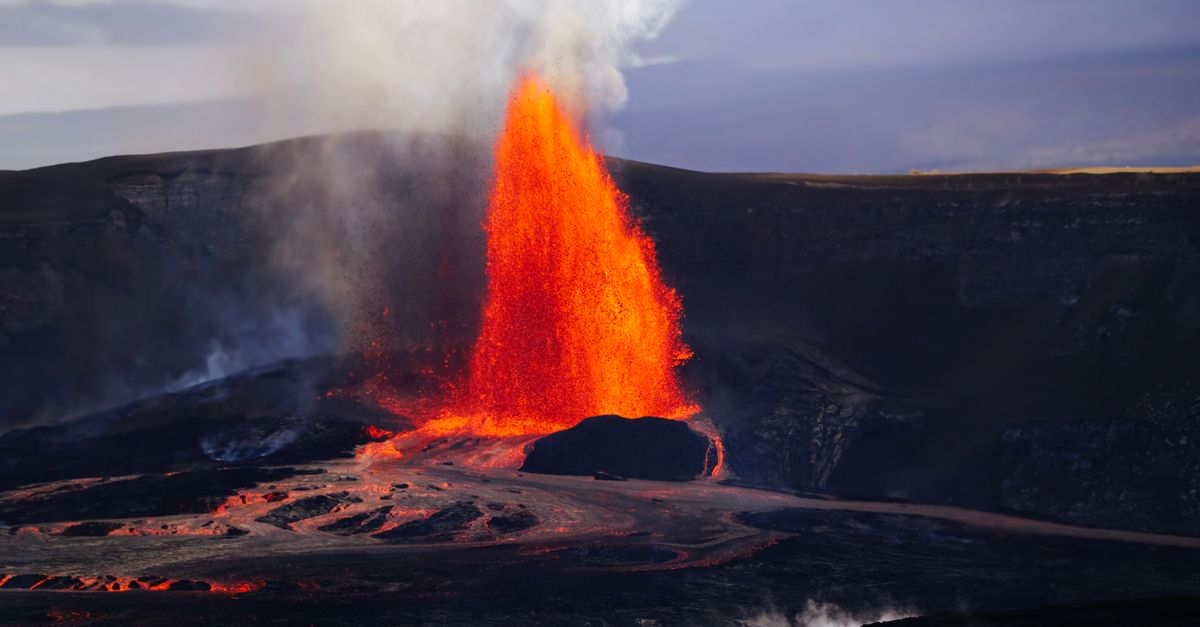
Lava fountaining at Kilauea's summit, which resumed with the current eruptive episode, has led to a sudden and substantial increase in visitors to Hawai'i Volcanoes National Park.
This phenomenon, a magnet for global interest, is drawing thousands of tourists and locals alike, creating immediate pressure on existing infrastructure and services surrounding the park. Unlike typical seasonal fluctuations, this event represents an unpredictable, high-demand spike requiring rapid response from businesses catering to park visitors.
Who's Affected
Tourism Operators (Hotels, Tour Companies, Vacation Rentals, Hospitality Businesses)
Businesses directly serving visitors to Hawai'i Volcanoes National Park should prepare for an immediate and significant increase in demand. Based on early reports, operators can anticipate a 15-25% surge in booking inquiries and confirmed reservations.
- Lodging: Hotels, inns, and vacation rental owners in Volcano Village and surrounding areas are likely to experience near-full occupancy for the duration of the active fountaining. This necessitates immediate review of staffing schedules for housekeeping, front desk, and maintenance to handle increased turnover.
- Tour Companies: Guided tour operators, particularly those focused on lava viewing, volcano insights, and night tours, should expect a sharp rise in demand. Capacity planning for vehicles, guides, and equipment is critical. Consider extending operating hours or adding tour slots where feasible.
- Food & Beverage: Restaurants, cafes, and food vendors in proximity to the park entrance will see higher customer volumes. Inventory management for popular items and potential overtimes for kitchen and service staff are key considerations.
Small Business Operators (Restaurants, Retail Shops, Service Businesses)
While not exclusively tied to park tourism, small businesses in the Kaʻū and Puna districts, and even Hilo, may experience a secondary effect. Increased visitor traffic can translate to higher footfall and demand.
- Retail: Gift shops and convenience stores could see a bump in sales of souvenirs, snacks, and essential items. Ensure adequate stock levels, especially for items catering to tourists.
- Services: Businesses offering services like car rentals, equipment hire (e.g., cameras, warm clothing), or even general repair services might see increased activity.
- Logistics: Be mindful of potential traffic congestion on routes leading to and from the park, which could impact delivery schedules or customer access to your business.
Real Estate Owners (Property Owners, Developers, Landlords)
While the immediate impact on the real estate market is less pronounced than for tourism operators, property owners in areas immediately adjacent to or with easy access to the park may see short-term benefits.
- Short-Term Rentals: This event could temporarily boost demand for short-term rentals not covered under stricter regulations, particularly those offering immediate availability. Owners should monitor booking platforms.
- Property Value: While unlikely to cause long-term shifts, a sustained period of high volcanic activity can increase desirability for properties in safer zones near attractive natural phenomena, a factor to consider for investors.
- Access & Safety: Property owners and managers must stay informed about any park advisories or closures that could affect local access, road conditions, or safety precautions.
Second-Order Effects
This surge in tourism, driven by a natural spectacle, initiates a chain reaction within Hawaii's already constrained island economy. The immediate influx of visitors increases demand for finite resources.
- Increased Visitor Traffic → Localized Demand for Goods & Services → Strain on Local Supply Chains: More visitors mean higher demand for food, fuel, and souvenirs. This can lead to temporary shortages or price increases for items readily available to residents, particularly in smaller, isolated communities like Volcano Village.
- Higher Tourism Volume → Increased Need for Staffing → Upward Pressure on Service Wages: For hospitality businesses to cope with the surge, they must hire and retain more staff. In a tight labor market, this competition for workers can drive up entry-level and service wages, impacting operating costs for all businesses competing for the same labor pool.
- Visitor Influx → Increased Traffic Congestion & Waste → Local Infrastructure Strain: More cars mean more traffic on roads leading to the park, potentially impacting commute times for residents and delivery services. Increased visitor numbers also generate more waste, putting pressure on local waste management facilities.
What to Do
Tourism Operators
Act Now. The window to capitalize on this immediate demand is now. Failure to respond quickly will mean lost revenue and potential reputational damage from an inability to serve customers.
- Assess Current Capacity & Demand: Review your booking calendars, staffing levels, and inventory of supplies (food, beverages, amenities, tour equipment). Project a 15-25% increase in demand over the next 2-4 weeks.
- Boost Staffing Immediately: Reach out to on-call staff, review overtime policies, and consider expedited hiring for essential roles (front desk, housekeeping, kitchen staff, tour guides). Communicate increased need to any recruitment agencies.
- Secure Inventory: Increase orders for food, beverages, toiletries, and any other consumables. Liaise with suppliers to ensure they can meet a sudden uplift in demand and be aware of potential delivery delays due to increased traffic.
- Update Online Presence & Bookings: Ensure your booking platform reflects available capacity and any adjusted operating hours or tour availability. Update website and social media with information about viewing, park access, and any special offerings.
- Monitor Park Advisories: Stay updated on official Hawaiʻi Volcanoes National Park advisories regarding access, safety, and any potential changes to viewing conditions or closures. Disseminate this information to your staff and guests.
Small Business Operators
Watch. This event presents an opportunity for increased revenue, but immediate action is not universally required. Focus on readiness for opportunistic demand and awareness of localized impacts.
- Review Inventory: If you sell items commonly purchased by tourists (souvenirs, snacks, basic necessities), ensure stock levels are adequate to meet potentially higher demand over the next few weeks. Consider a small increase in reorder points.
- Monitor Traffic: Be aware of potential traffic congestion on major routes to the park. If your business relies on timely deliveries or customer access, factor in potential delays and communicate them proactively if necessary.
- Staffing Readiness: While not requiring immediate expansion, be prepared to offer additional hours to existing staff if demand significantly outstrips current capacity. Have contingency plans for increased customer flow.
Real Estate Owners
Watch. Significant investment decisions are not warranted based on this short-term event, but awareness may inform current operations.
- Monitor Short-Term Rental Demand: For properties eligible for short-term rentals, observe booking platforms for any unusual spikes in demand or rates in the immediate vicinity of the park.
- Stay Informed on Park Access: Keep abreast of any park closures or advisories that might impact property access or desirability for current or potential tenants/guests.
- Evaluate Long-Term Trends: While this is a short-term phenomenon, consider volcanic activity as a recurring tourism driver in Hawaii when evaluating long-term real estate investment strategies in affected regions.


