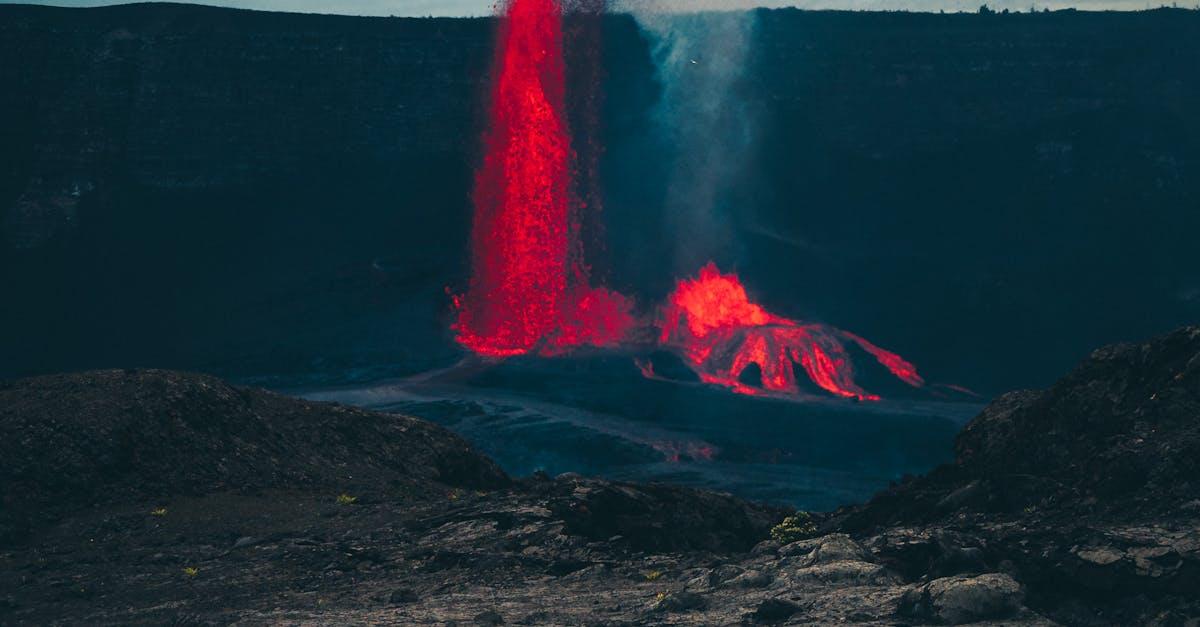
Kilauea Eruption Imminent: Big Island Travel & Logistics Disruptions Loom
Increased seismic activity at Kilauea suggests the ongoing eruption may quickly enter a new phase, potentially impacting air travel, road access, and supply chains on the Big Island. While the exact timing and location of any new activity remain uncertain, businesses should anticipate potential disruptions in the immediate future.
The Change
The U.S. Geological Survey (USGS) Hawaiian Volcano Observatory (HVO) has noted heightened unrest at Kilauea, indicating that a new eruptive episode, referred to as "Episode 40," could commence at any time. This does not necessarily mean a major, destructive event, but rather a continuation or new phase of the current volcanic activity, which could include lava flows, increased degassing (vog), and potential ash emissions. The primary concern for businesses is the potential for these events to disrupt critical infrastructure and visitor access.
Who's Affected
- Tourism Operators: Hotels, tour companies, vacation rental managers, and other hospitality businesses on the Big Island face potential cancellations and reduced bookings if hazardous vog levels increase or if lava flows threaten access routes. Airlines may reroute flights, impacting visitor arrivals.
- Small Business Operators (Big Island): Restaurants, retail shops, and service providers are at risk of supply chain disruptions due to potential road closures or reduced shipping activity. Staffing could also be affected if employees are unable to commute. Contingency planning for alternative suppliers or temporary operational adjustments may be necessary.
- Real Estate Owners: Property owners and managers, particularly in areas downwind of the volcano, should monitor air quality advisories (vog). While unlikely to cause immediate property damage from lava unless flows change drastically, persistent vog can impact desirability and short-term rental demand. Developers should note potential construction delays if ash emissions impact air quality or if volcanic activity leads to localized disruptions.
- Investors: Those with investments tied to the Big Island's tourism sector or logistics infrastructure should be aware of potential short-term volatility. Companies reliant on the Big Island as a key operational hub or transit point may see their performance temporarily affected.
Second-Order Effects
A significant increase in vog can degrade air quality across the Big Island, potentially impacting public health and prompting travel advisories. This can lead to decreased visitor numbers, which, in turn, reduces demand for local goods and services. For small businesses, supply chain delays caused by road closures or disrupted shipping schedules can lead to increased operating costs and reduced inventory, potentially forcing price increases that further dampen consumer spending. This can also strain the availability of goods for local residents, increasing the cost of living and placing additional pressure on wages for essential workers.
What to Do
Given the immediate potential for an eruption, businesses should adopt a WATCH stance.
Tourism Operators
Monitor USGS volcanic activity updates and vog forecasts daily. Review cancellation policies and communicate proactively with guests regarding potential travel disruptions. Ensure contingency plans are in place for flight delays or road closures impacting tours or accommodation access.
Small Business Operators (Big Island)
Track USGS alerts and local news for updates on road closures and air quality. Identify alternative suppliers for critical inventory. Prepare for possible temporary shifts in operating hours or services based on volcanic activity and air quality.
Real Estate Owners
Stay informed about vog advisories from the Hawaii Department of Health. For rental properties, consider proactive communication with tenants regarding any air quality concerns. Assess potential impacts on desirability and rental demand based on prevailing vog conditions.
Investors
Monitor news from the Big Island and tourism sector performance metrics. Be prepared for potential short-term fluctuations in companies with significant Big Island exposure while reassessing long-term exposure following the event.
Action Details
Monitor the USGS Hawaiian Volcano Observatory website for daily updates and vog forecasts from the Hawaii Department of Health. If lava flows threaten infrastructure or if vog levels significantly impact air quality, implement pre-determined operational adjustments and communicate proactively with customers and stakeholders. Be prepared to adjust travel plans immediately if flight cancellations or road closures occur.


