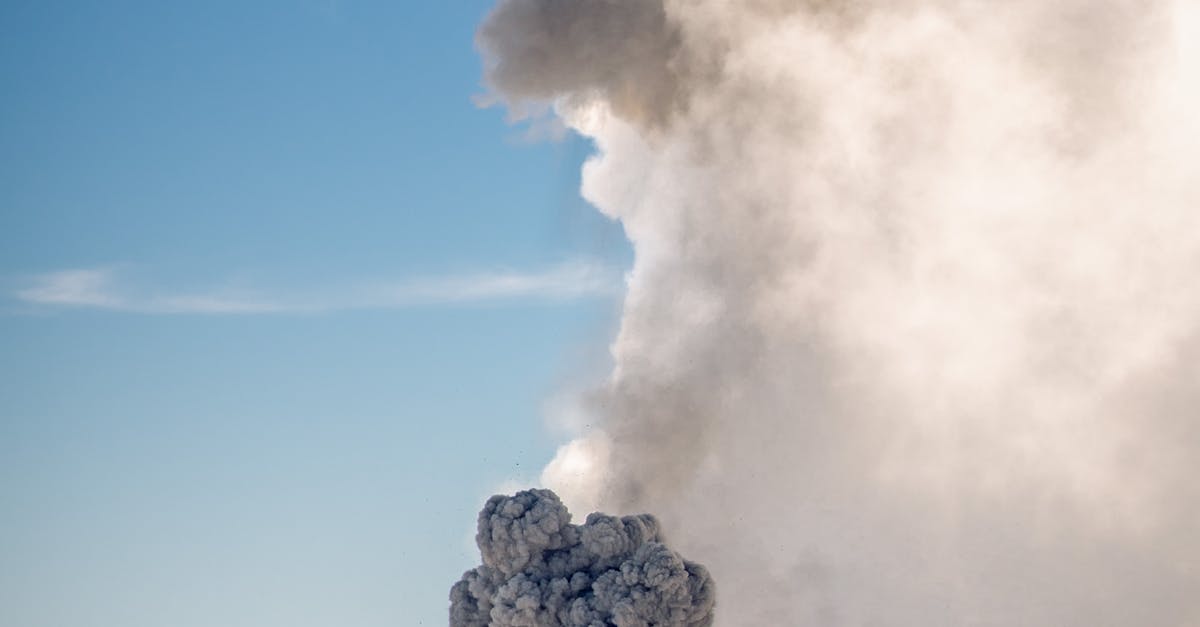
A recent eruption at Kilauea volcano has triggered a significant release of volcanic ash, prompting urgent warnings about potential health risks and impacts on the local economy. The eruption, which began on an unspecified date, has generated a large ash plume, raising concerns about air quality and the presence of hazardous volcanic byproducts like Pele's hair. The situation is drawing focus on the safety protocols and contingency plans for businesses and residents in the affected areas.
Authorities are emphasizing the potential dangers of inhaling volcanic materials. The warning, “Be careful because respiratory is huge, this is glass and rock going into your lungs,” underscores the seriousness of the health risks. These risks include eye and skin irritation, as well as respiratory problems, particularly for individuals with pre-existing conditions like asthma or other breathing issues. The Department of Health (DOH) advises precautionary measures in response to the continuing Kilauea intermittent eruptions, including limiting outdoor activities and having readily available medication. The Hawaii Department of Health recommends residents and visitors consult the Hawai‘i Air Quality Data on the Clean Air Branch website and the Hawai‘i Interagency Vog Information Dashboard for the latest information.
This eruption poses substantial challenges for Hawaii's tourism and hospitality sectors, particularly businesses located near the volcano. Reduced visibility, potential road closures, and health concerns could deter tourists, leading to cancellations and declines in revenue for hotels, restaurants, and tour operators. The closure of Uēkahuna Overlook is just one of many restrictions currently affecting the region. In anticipation of future episodes, the USGS has been closely monitoring Kilauea, recognizing the high probability of another lava fountaining activity. Previous episodes have lasted for hours to over a week, posing a constant risk to the area.
Entrepreneurs and business owners will need to assess their risk exposure and develop strategies to mitigate potential losses. This might involve updating business continuity plans, investing in air filtration systems, and providing employees with appropriate protective gear and health information. The IVHHN offers useful resources for the general public regarding the health effects of Vog, as well as SO2 and PM2.5 particle exposure.
The long-term impact on the Big Island's economy hinges on the duration of the eruption and the frequency of similar events. Sustained volcanic activity could lead to a decline in property values in affected areas, and potentially affect real estate development projects. Investors will be closely watching the situation and considering their risk exposure in the Hawaii market.


