Kilauea Eruption Risks Air Quality Disruptions; Tourism & Agriculture Operators Must Monitor Vog Levels
The recent resumption of volcanic activity at Kilauea on Hawaii Island presents an elevated risk of vog (volcanic smog) and ashfall, potentially impacting operations for tourism and agriculture sectors. While not a complete shutdown event, persistent vog can create significant challenges that require proactive monitoring and contingency planning.
The Change
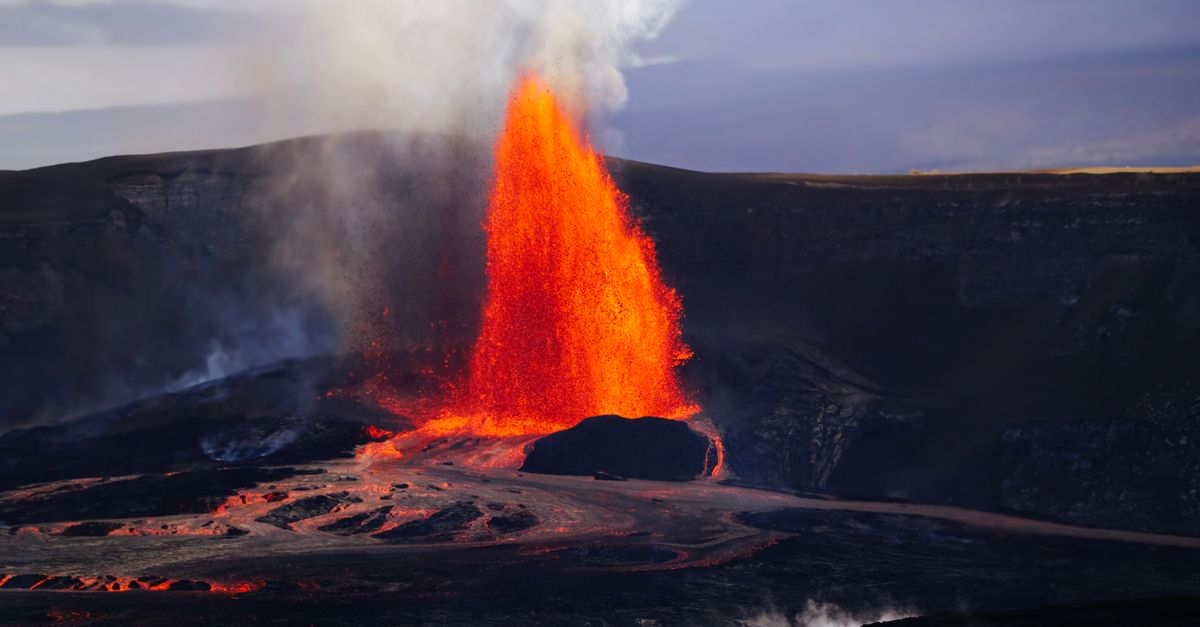
On January 12, 2026, the U.S. Geological Survey (USGS) reported that Kilauea volcano had resumed its 40th eruption episode. The eruption began with lava fountains reaching heights of over 660 feet within Halemaʻumaʻu crater. While current activity is contained within the summit caldera, there is an ongoing risk of gas emissions, ash production, and the potential for lava to advance beyond its current confines, depending on the eruption's duration and intensity.
Who's Affected
Tourism Operators (Hotels, Tour Companies, Vacation Rentals):
- Air Quality Concerns: Persistent vog can lead to reduced visibility and respiratory discomfort, potentially deterring visitors and impacting outdoor tour experiences (e.g., hiking, helicopter tours). This can also lead to increased cancellations or lower booking rates.
- Travel Disruptions: While unlikely from contained caldera activity, significant ash plumes could force flight diversions or cancellations, affecting airline capacity and visitor arrivals.
- Reputational Risk: Operators must be prepared to communicate proactively with guests about air quality conditions and any potential impacts on scheduled activities.
Agriculture & Food Producers:
- Crop Damage: Ashfall can smother vegetation, block sunlight, and damage delicate crops like coffee, macadamia nuts, and fruits. Vog, with its sulfur dioxide content, can cause "vog-burn" on sensitive plants, reducing yield and quality.
- Livestock Impact: Vog can cause respiratory problems in livestock, affecting their health and productivity. Ashfall can also contaminate grazing land.
- Water Quality: Ashfall can contaminate water sources, potentially affecting irrigation and livestock drinking water.
Second-Order Effects
- Vog & Ashfall → Reduced Air Quality → Visitor Apprehension → Lower Hotel Occupancy → Strain on Tourism Revenue → Reduced Local Spending
- Ashfall & Vog → Crop Damage/Yield Reduction → Decreased Agricultural Output → Potential Retail Price Increases for Local Produce → Support for Import Substitution
What to Do
Given the "WATCH" status, the primary recommendation is to actively monitor evolving conditions. Immediate action is not required unless advisories are issued or observed impacts occur.
For Tourism Operators:
- Monitor USGS Hawaiian Volcano Observatory (HVO) updates: Pay close attention to daily eruption updates, gas emission rates, and any advisories regarding ashfall or vog. USGS HVO
- Track Air Quality Indices: Monitor local air quality reports for vog concentrations. The Hawaii Department of Health (DOH) provides updates. Hawaii DOH Air Quality
- Develop Communication Protocols: Have pre-written templates for informing guests about current conditions and any potential impact on activities.
- Contingency Planning: Identify alternative indoor activities or flexible scheduling options for tours if outdoor conditions become unfavorable.
For Agriculture & Food Producers:
- Monitor Ashfall & Vog Forecasts: Stay informed via USGS HVO alerts and local weather reports for potential ashfall paths and vog drift.
- Protect Livestock: If ashfall is significant, consider sheltering livestock and ensuring access to clean drinking water. Monitor for signs of respiratory distress.
- Assess Crop Sensitivity: Understand which of your crops are most vulnerable to ash and vog. Have protective measures (e.g., irrigation to wash ash, shade cloth) ready for sensitive crops.
- Consult Agricultural Extension: Engage with the University of Hawaii Cooperative Extension Service for region-specific advice on managing volcanic impacts on crops and livestock. UH Cooperative Extension
Trigger Conditions for Further Action:
- Watch Vog Levels: If vog advisories are issued for your operating area (e.g., Hawaii County beaches, agricultural lands), implement communication protocols and adjust outdoor operations (tourism) or protective measures (agriculture).
- Monitor Ashfall Warnings: If the USGS forecasts significant ashfall impacting your region, take immediate protective measures for crops and livestock, and prepare for potential visitor concerns or travel disruptions.


